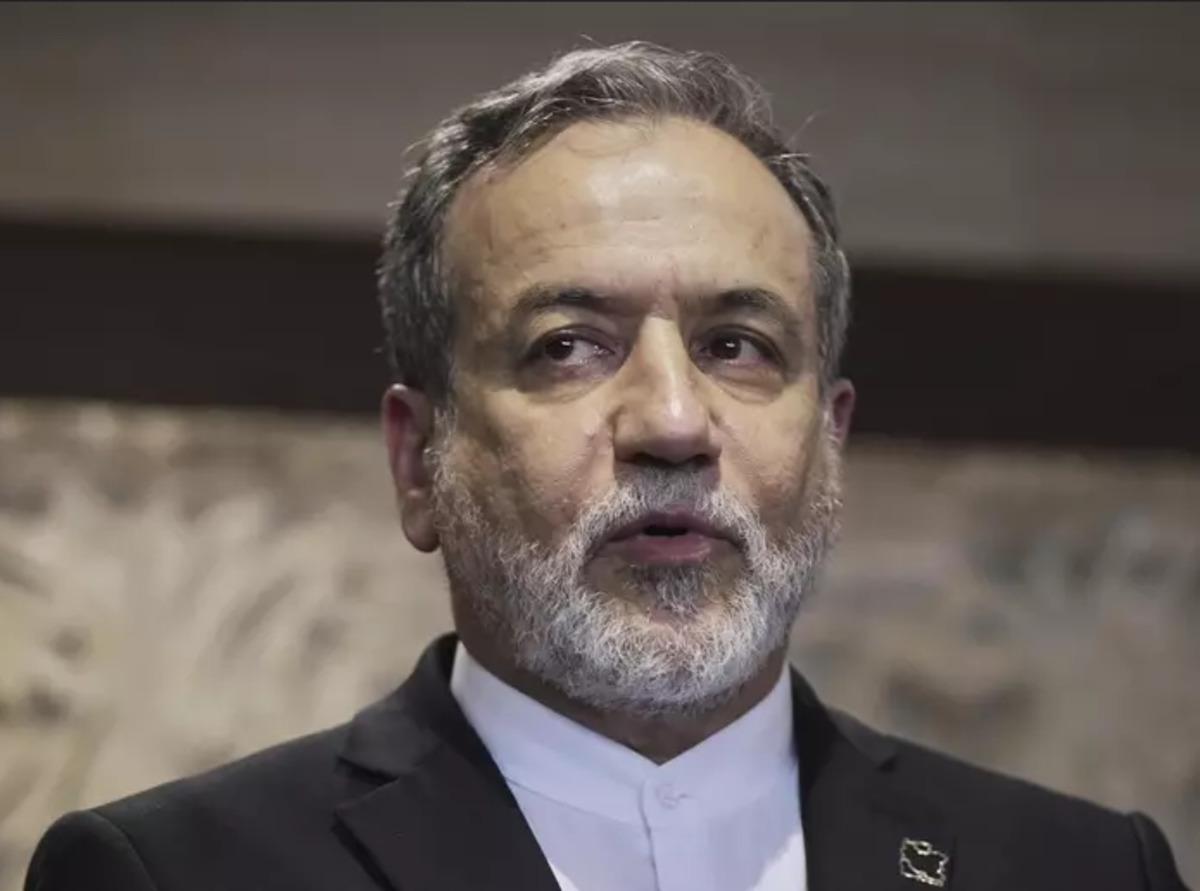
The Strait of Hormuz is back in the crosshairs, and this time, the stakes feel higher than a simple standoff. Iranian Foreign Minister Abbas Araghchi just threw down a heavy gauntlet, calling the current U.S. naval blockade of Iranian ports an "act of war." It’s a bold claim that hits directly at Donald Trump’s aggressive maritime strategy. While the world watches the oil prices fluctuate, the real story is the collapsing ceasefire and a game of high-stakes chicken in the world's most vital waterway.
The Blockade Breaking Point
Let’s get the facts straight. The U.S. Navy has been sitting outside Iranian ports since April 11, 2026. Their mission? Total economic strangulation. Trump’s goal is to force Tehran into a "big deal" that guts their nuclear program once and for all. But Araghchi isn't playing along. On X, he made it clear that Iran views the seizure of their cargo ships and the detention of crews as a blatant violation of the 10-day truce that was supposed to bring some breathing room to the region.
When you block a country's ability to trade, you're not just doing "sanctions." You're effectively engaging in combat without pulling a trigger. Araghchi’s rhetoric isn't just for show. It’s a signal that if the blockade doesn't lift, the "completely open" status of the Strait of Hormuz—which Iran recently touted—could vanish in an instant.
Why the Strait of Hormuz Still Dictates Global Peace
You might think we’d have moved past oil-driven conflicts by 2026, but the math doesn't lie. About 20% of the world’s liquid petroleum passes through this narrow stretch. If Iran decides to "neutralize restrictions," as Araghchi warned, they won't just be fighting the U.S. Navy. They'll be holding the global economy hostage.
- The Mining Threat: Trump claims Iran is currently removing sea mines with U.S. help. This sounds like progress, but it’s a double-edged sword. If they can remove them, they can put them back.
- The Escort Game: We’re seeing a return to "Tanker War" tactics. The U.S. is already boarding "stateless" vessels like the M/T Tifani. Every boarding is a potential spark for a direct exchange of fire.
- The Ceasefire Illusion: A ceasefire isn't worth much when one side is starving the other’s economy. Araghchi’s "act of war" comment is basically saying the ceasefire is already dead in spirit.
Trump’s "Big Deal" vs. Iran’s Reality
Trump’s approach is classic 2026—maximum pressure with a side of "let's talk." He’s dangling a trip for JD Vance to Pakistan for peace talks while simultaneously threatening to "knock out every power plant" in Iran if they don't fold. It's a brutal negotiation style that leaves zero room for error.
Iran is in a corner. They’ve lost people in the recent conflicts, and their proxy networks like Hezbollah are under intense pressure. But don't mistake a cornered animal for a defeated one. Araghchi’s insistence that Iran "knows how to resist bullying" suggests they have a plan B that likely involves making life miserable for every commercial tanker in the Persian Gulf.
The Pakistan Connection and the Flailing Peace Talks
Pakistan has been trying to play the middleman, but the efforts are stalling. Why? Because Iran refuses to sit at the table while their ports are under a literal military siege. It’s hard to talk "peace" when you can't even get a grain ship into your harbor.
The U.S. has already turned back over 25 commercial vessels. If you’re an international shipping company, you're not looking at "freedom of navigation" right now; you're looking at a war zone. Trump might call it a "transaction," but for the sailors on those ships, it's a terrifying reality.
What Happens Next in the Gulf
Don't expect a quiet resolution. The 10-day ceasefire is a band-aid on a gunshot wound. If the U.S. doesn't ease the port blockade, Araghchi has signaled that the Strait of Hormuz will once again become a weapon.
If you're tracking this, watch the Kpler data and the U.S. Central Command updates. If the number of "interdictions" goes up, the chances of the Strait closing go up with it. The next 72 hours are critical. Either the Pakistan talks get a green light because the blockade softens, or we’re looking at a full-scale maritime conflict that makes the 2024 Red Sea crisis look like a minor skirmish.
Keep an eye on the oil markets and the movement of the U.S. 5th Fleet. The rhetoric has shifted from "diplomatic disagreement" to "act of war," and in the world of Middle Eastern geopolitics, those words aren't chosen by accident.
Next Steps for Tracking the Crisis
- Monitor the price of Brent Crude; any sudden $5+ jump usually precedes a major maritime incident.
- Check official updates from the Iranian Ports and Maritime Organization for new "coordinate routes" that might restrict traffic.
- Follow the status of JD Vance’s proposed Pakistan visit; if it’s officially canceled, the "act of war" rhetoric has likely transitioned into action.