You’ve probably heard the news by now. The Supreme Court finally stepped in on February 20, 2026, and told the Trump administration they couldn't just use the International Emergency Economic Powers Act (IEEPA) as a blank check for trade wars. In Learning Resources, Inc. v. Trump, a 6-3 majority basically said "regulate" does not mean "tax." If you're an importer who has been bleeding cash because of those "reciprocal" or fentanyl-related tariffs, you might be ready to pop the champagne.
Don't. Not yet.
While the court struck down the tariffs, it didn't actually hand out the checks. There is no "refund button" on the Customs and Border Protection (CBP) website. Instead, we’re looking at a massive legal and administrative logjam that could take years to clear. If you think the government is going to just mail you back your $175 billion without a fight, you haven't been paying attention to how this administration operates.
The Court Ruled but the Treasury is Silent
The Supreme Court was very clear about the legality of the IEEPA tariffs—they’re dead. Chief Justice John Roberts and the majority ruled that the power to tax belongs to Congress, not the White House. But the justices stayed remarkably quiet on the remedy. They didn’t order immediate payouts. They didn't even set a timeline.
Right now, the ball is back in the court of the U.S. Court of International Trade (CIT). This is where things get sticky. The administration has already pivoted, replacing the struck-down IEEPA duties with a new 15% global surcharge under Section 122 of the Trade Act of 1974. It’s a classic shell game. They take away the "illegal" tax and replace it with a "temporary" one while they figure out how to keep your old money.
I’ve seen this play out before with the Harbor Maintenance Tax back in the 90s. Back then, it took a specific claims process and years of paperwork to get money back into corporate hands. We’re likely looking at a repeat, but on a much larger, more chaotic scale.
Your Entry Status is Everything Right Now
If you want your money back, you need to understand one word: Liquidation.
In the world of customs, an entry isn't "final" just because you paid the bill at the port. CBP keeps the books open for months. This is called the liquidation period—usually about 314 days.
- Unliquidated Entries: If your shipments haven't liquidated yet, you're in the best position. You can still file a Post Summary Correction (PSC). This is basically a "my bad" form that lets you fix the data before the books close.
- Liquidated Entries: If the 314 days have passed and your entry is liquidated, the clock is ticking. You generally have 180 days from the date of liquidation to file a formal protest. If you miss that window, your money might be gone for good, regardless of what the Supreme Court says.
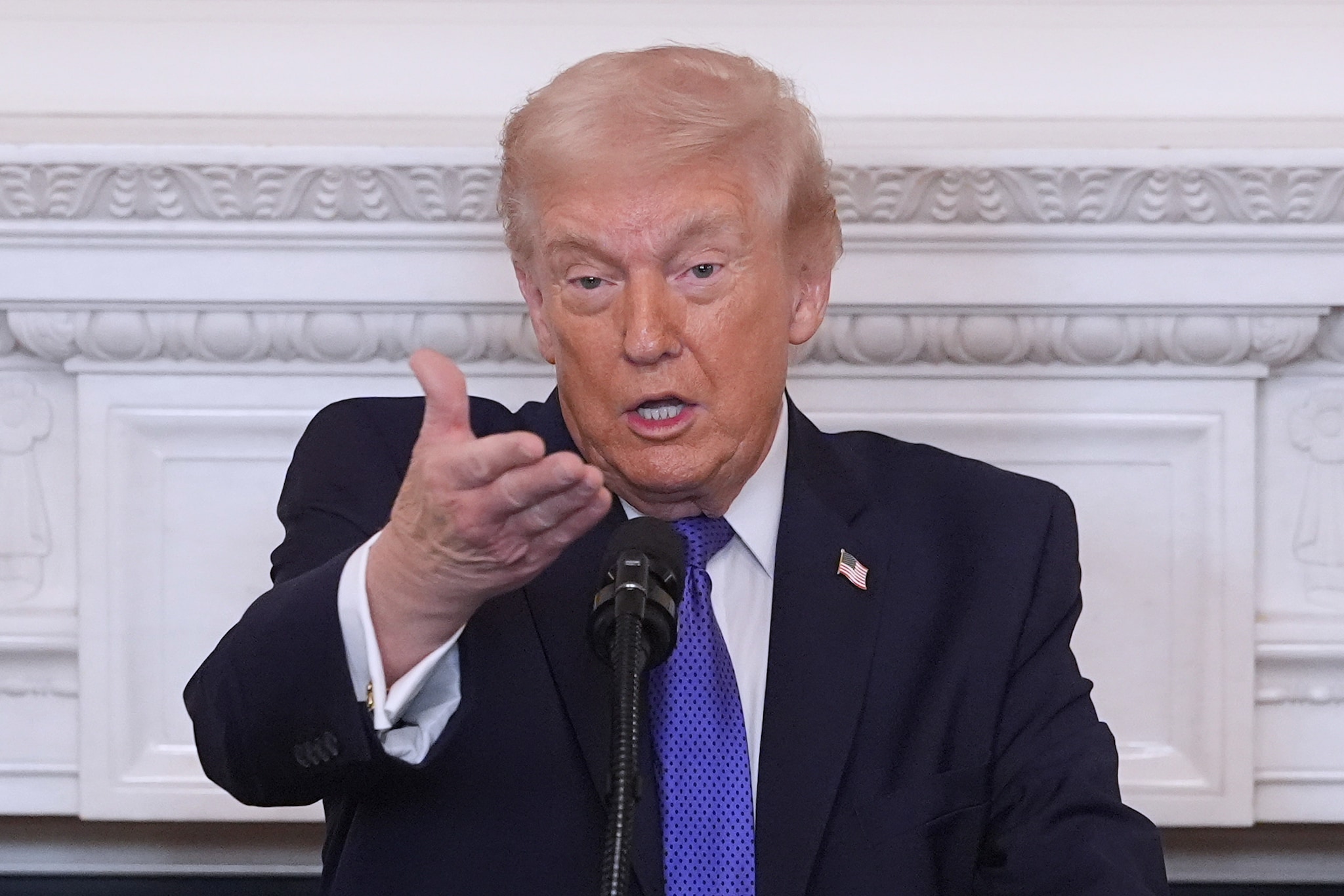
The Trump administration isn't making this easy. President Trump himself recently said he expects the refund process to be "locked up in litigation for years." That’s a signal to CBP to move slowly and a warning to you to keep your lawyers on speed dial.
Why the Government Might Not Pay
The biggest hurdle isn't just paperwork; it’s the "sovereign immunity" and "administrative exhaustion" arguments the Department of Justice is likely to throw at you.
Even though the Supreme Court said the tariffs were unlawful ab initio (from the beginning), the government hates giving money back. They’ll likely argue that if you didn't file a specific lawsuit or a timely protest, you waived your right to a refund.
There’s also the question of who actually gets the money. If you’re a wholesaler who passed the tariff cost down to a retailer, and that retailer passed it to the consumer, do you still get the refund? The CIT is currently looking at third-party financing and "pass-through" clauses. If you can't prove you actually absorbed the cost, the government might try to pocket the difference.
What You Should Do Today
Sitting around waiting for a CBP bulletin is a recipe for losing your cash. You need to be proactive because the administration is clearly hoping you'll just give up or miss a deadline.
- Audit your ACE data immediately. Pull every single entry from 2025 and 2026. You need to know exactly how much you paid under IEEPA codes vs. Section 301 or 232 duties. Those other tariffs are still perfectly legal, so don't mix them up.
- Categorize by liquidation date. Don't treat your imports as a big pile of money. Treat them as individual deadlines. If an entry liquidated 170 days ago, you have 10 days to act.
- File protective protests. Even if CBP hasn't set up the official "Supreme Court Refund" process, file your protests anyway. Use the Learning Resources case as your legal basis. It’s better to have a protest denied and appealed than to let the window close.
- Review your contracts. If you're a buyer, check if your suppliers are entitled to keep any refunds you might get. If you're a seller, make sure you haven't accidentally signed away your rights to these potential windfalls.
Honestly, the "uncertainty" the media is talking about is just a polite way of saying the government is dragging its feet. They’ve already moved on to Section 122 and new Section 301 investigations. They’re looking forward; you need to look back and protect what’s yours.
The reality is that $175 billion doesn't just move through the system without friction. Expect a messy, technical, and frustrating process. But if you’ve got the documentation and the dates, you’ve at least got a fighting chance.
Don't wait for a formal invitation from the Treasury. Start by pulling your ACE reports and mapping out your 180-day windows.