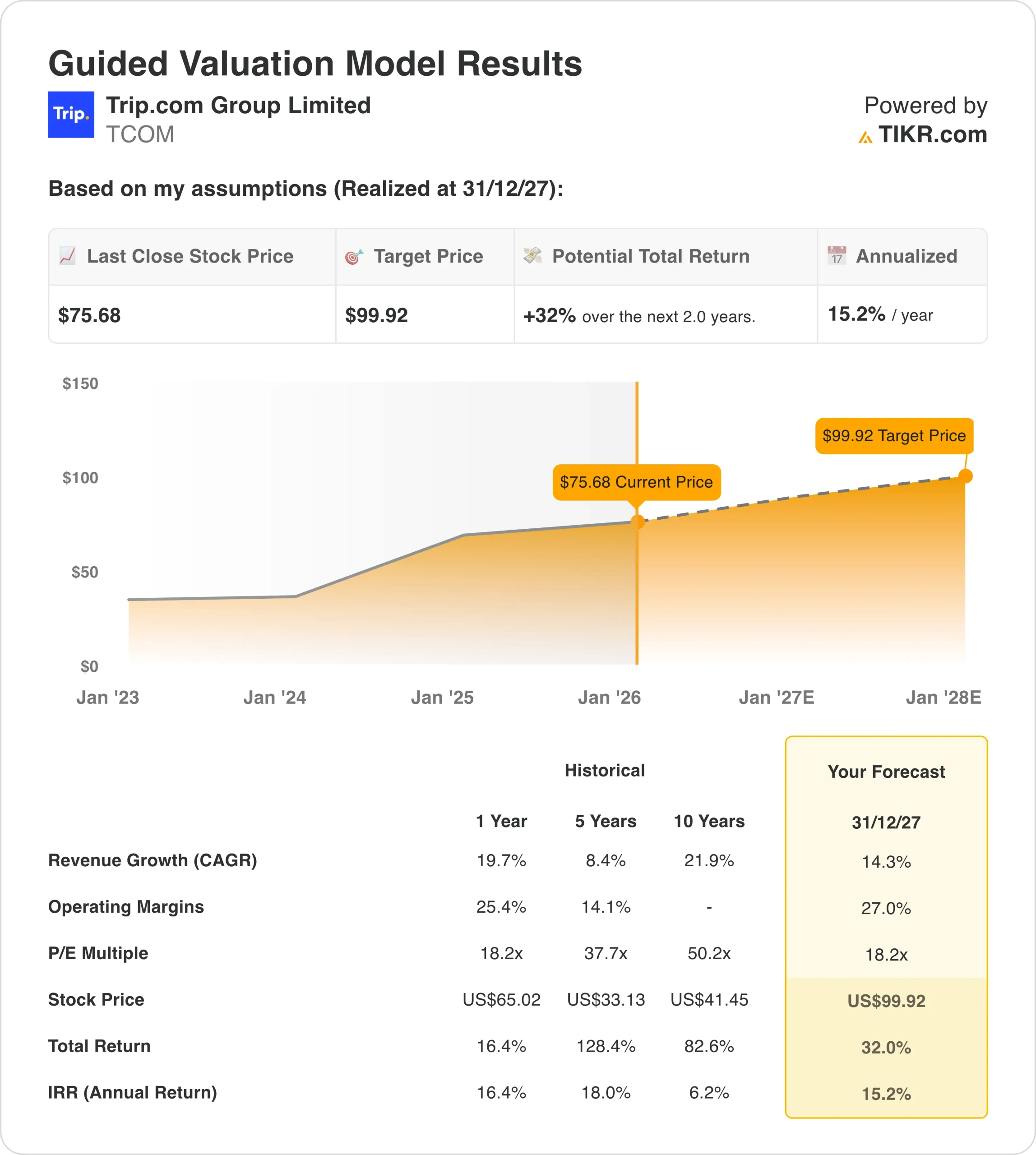
Trip.com just got a wake-up call that every tech giant in China fears. On January 14, 2026, the State Administration for Market Regulation (SAMR) announced a formal antitrust investigation into the travel giant. The reaction was swift and brutal. Shares in Hong Kong tanked nearly 22%, wiping out billions in market value in a single session. If you’re holding TCOM or just watching the Chinese tech sector, this isn't just another headline. It’s a signal that the regulatory heat in Beijing hasn’t cooled off as much as people thought.
The timing is particularly nasty. China is heading into the Lunar New Year, the busiest travel window on the planet. For the dominant player in the room to get slapped with a "suspected abuse of market dominance" tag right now is a worst-case scenario for investor confidence.
The Real Reason Regulators Are Circling
If you’ve been paying attention to the travel industry over the last few years, you’ve probably heard some grumbling from the supply side. Trip.com isn't just a website. It’s a massive ecosystem that includes brands like Ctrip, Qunar, and Skyscanner. When you control over 50% of the market share, your power over hotels and airlines is immense.
The SAMR hasn't spilled all the beans yet, but we've got a pretty good idea of where they're looking. Local hotel associations in places like Guizhou and Zhengzhou have been complaining about Trip.com’s pricing tactics for months. They're accusing the platform of a few specific things:
- Price Interference: Allegedly lowering hotel listing prices without the owner's consent. This undercuts competition but leaves the hotel with less profit than they signed up for.
- Forced Exclusivity: Pressuring hotels to offer their lowest rates only on Trip.com platforms.
- Commission Hikes: Arbitrarily raising the cut the platform takes, knowing small hotels don't have anywhere else to go for traffic.
It’s basically the "Alibaba treatment" from 2021 all over again. Back then, Alibaba got hit with a $2.8 billion fine for similar "choose one of two" exclusivity deals. For Trip.com, this isn't just a slap on the wrist. Under China’s Anti-Monopoly Law, companies can be fined up to 10% of their previous year’s revenue.
Calculating the Potential Damage
Let's talk numbers because that's what really matters for the stock. Analysts at Citi and Nomura have already started doing the math. Based on Trip.com’s 2025 revenue estimates, a 1% to 10% fine could range anywhere from 490 million yuan to 4.9 billion yuan. That’s roughly $70 million to $700 million.
A $700 million hit is a massive blow, but it's not the fine itself that has the market in a panic. It’s the uncertainty. Once a Chinese regulator starts poking around your books, they often find things you didn't even know were an issue. They might force Trip.com to change how it deals with hotel partners, which could permanently squeeze the company's high-margin commission structure.
Honestly, the stock crash was a classic knee-jerk reaction to "regulatory risk." Investors hate not knowing where the floor is.
Is This a Buying Opportunity or a Value Trap
There are two ways to look at this mess. Some analysts think the 20% drop is an overreaction. They'll tell you that the fundamental demand for travel in 2026 is stronger than ever. China Trading Desk estimates cross-border trips will hit 175 million this year. People are traveling again. Trip.com still has the best tech and the widest reach in Asia.
But you have to be careful. The "buy the dip" strategy in Chinese tech has burned a lot of people over the last five years. While Trip.com says business is "operating normally," the legal pressure is mounting. Law firms like Rosen and Wohl & Fruchter are already circling, looking for grounds for shareholder class-action lawsuits.
If you're an investor, you've got to ask if the "experience economy" boom in China is enough to outweigh the risk of a regulator-mandated haircut on profits.
What You Should Do Right Now
Don't panic-sell everything, but don't blindly double down either. This investigation isn't going to wrap up in a week. These probes usually take months of "active cooperation" before a final verdict is handed down.
- Check Your Exposure: If your portfolio is heavily weighted in Chinese tech (KWEB, etc.), realize that Trip.com is a major component. This probe might bleed into other platforms like Meituan or Fliggy if the regulator decides to clean up the entire travel sector.
- Watch the Margins: Keep a close eye on the next earnings report. If Trip.com starts losing its pricing power over hotels, you'll see it in the take rate (the percentage of the booking they keep). If that drops, the growth story changes.
- Monitor the SEC Filings: With US law firms launching investigations into whether the company misled investors about these risks, the Nasdaq-listed ADR (TCOM) could see extra volatility compared to the Hong Kong shares (9961).
The era of "growth at any cost" for Chinese tech is dead. Beijing wants "high-quality growth," which is code for "don't squeeze the small merchants so hard they go out of business." Trip.com is finding that out the hard way.