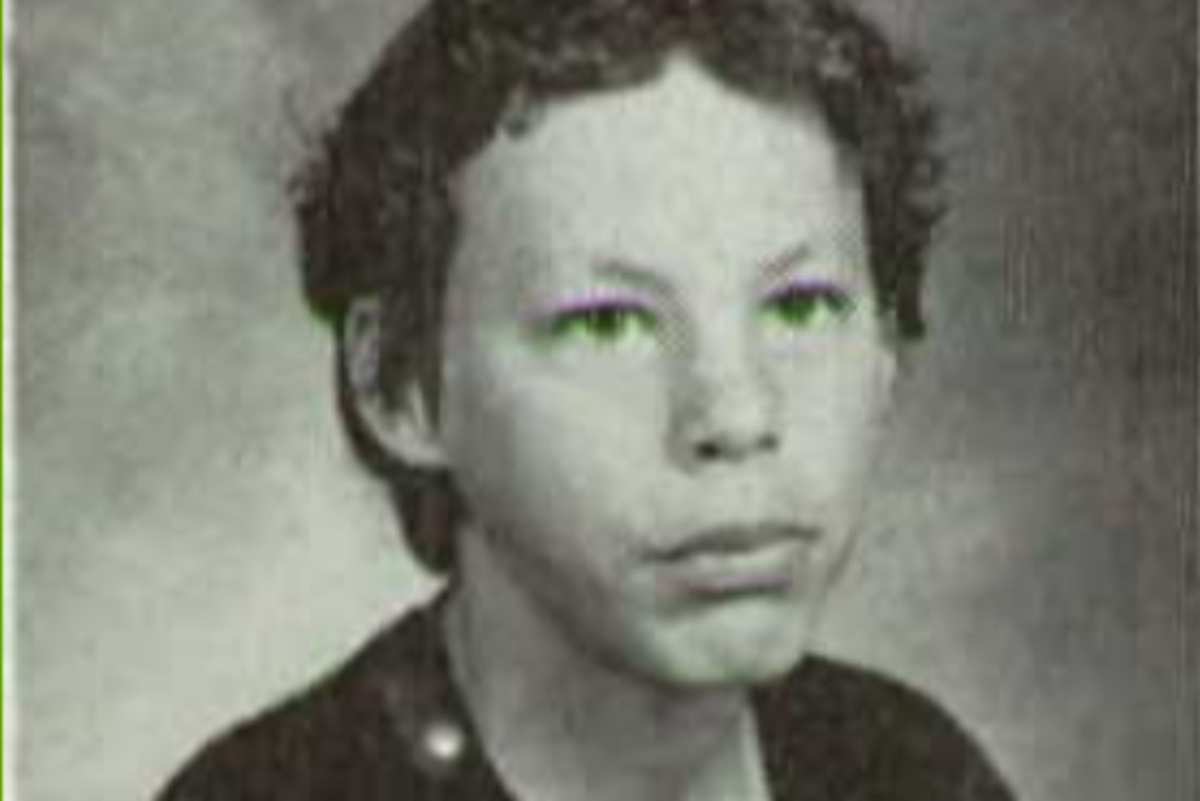
A teenager’s life ended in a way no human being should ever endure. In 1991, his charred remains were discovered in a dump site in Fremont, California. For over three decades, he was known only as a "John Doe," a cold case file gathering dust while a family likely wondered what happened to their son. We now know his name is Oscar Sandoval. Thanks to the persistent work of the Fremont Police Department and the rapid evolution of forensic science, a 33-year-old mystery has a name, even if it doesn't yet have justice.
This isn't just a story about a body in a dumpster. It's a testament to how investigative genetic genealogy is fundamentally changing how we handle cold cases. If you think old crimes stay buried forever, you haven't been paying attention to the DNA revolution.
Who was Oscar Sandoval
Oscar was only 17 years old when his life was stolen. At the time of his death, he was living a life that many teenagers in the early 90s could relate to, though the specifics of his final days remain shrouded in the dark history of Northern California’s criminal underbelly. His body was found on August 26, 1991, at the Durham Road Landfill. The scene was gruesome. Someone had attempted to erase his identity by setting his remains on fire.
For decades, investigators were stuck. They had a biological profile but no match in any database. Back then, DNA technology was in its infancy. You needed a direct comparison—a suspect or a close relative already in the system. If the family didn't report him missing or if the reports didn't cross county lines effectively, the trail went cold almost immediately. Oscar became a statistic in the tragic ledger of California’s unidentified dead.
How Forensic Genealogy Cracked the Case
The breakthrough didn't come from a sudden confession or a lucky tip. It came from a vial of preserved DNA and a team that refused to quit. In 2023, the Fremont Police Department’s Cold Case Unit partnered with Othram, a private lab that specializes in forensic genetic genealogy. This is the same technology that caught the Golden State Killer.
Basically, the process involves taking degraded DNA and building a much more complex profile than what standard police labs usually handle. They then upload this profile to public databases like GEDmatch or FamilyTreeDNA. Genetic genealogists look for distant cousins—second, third, or fourth cousins who have shared their data to find their own ancestors. By building out a massive family tree from these "matches," investigators can narrow down a specific branch where a person went missing.
In Oscar’s case, the genealogy led back to a family with roots in the Bay Area. When investigators contacted potential relatives, they found a family that had been waiting for answers since 1991. DNA testing of a close relative confirmed the match. Oscar finally had his name back.
Why the Durham Road Landfill Case Stalled for Decades
You might wonder why it took so long. It’s easy to blame the police, but the reality is much more technical. In 1991, the "CODIS" system (the national DNA database) didn't even exist in its current form. Even when it was established, it only contained DNA from convicted offenders. If Oscar’s killer wasn't in that system, or if Oscar himself wasn't, there was no "ping."
The condition of the remains was another massive hurdle. Fire is a destructive force that ruins biological evidence. Extracting a clean enough sample for 1990s technology was nearly impossible. It took the sensitivity of modern "Massive Parallel Sequencing" to pull a usable profile from what was left.
The Problem with Missing Persons Reports
There's a systemic failure that often happens in these cases. If a kid goes missing in one city but his body is found in another, the paperwork doesn't always talk to each other. Information silos are the best friend of a murderer. We don't know exactly why Oscar wasn't identified through missing persons records sooner, but it’s a common theme in cold cases from this era. Families sometimes didn't report disappearances because of distrust of authority, or they were told their child was "just a runaway."
What Happens Now in the Investigation
Identifying the victim is only half the battle. Now, the Fremont Police Department has a much harder task: finding out who killed Oscar Sandoval. Identifying the victim provides a timeline. It gives investigators a starting point to look into his friends, his associates, and where he was seen last.
They’re looking for anyone who knew Oscar in 1991. He was a 17-year-old boy. He had a life. Someone out there remembers who he was hanging out with or who he was afraid of. The act of burning a body suggests a level of desperation or a desire to hide a specific connection to the victim. It wasn't just a random act; it was an attempt to delete a person from history.
The Reality of Cold Cases in California
California has thousands of unidentified remains. Cases like Oscar’s are being cleared more frequently now, but it’s a race against time. Witnesses die. Evidence degrades. Memories fade into nothing. The success in Fremont should be a signal to other departments that these cases are solvable if the investment is made in genetic genealogy.
If you have information about Oscar Sandoval or his activities in the early 90s, the Fremont Police Department wants to hear from you. Even a "minor" detail you’ve remembered for thirty years could be the piece that connects the killer to the crime.
The next step for the public is to understand the importance of DNA privacy versus justice. Many people are hesitant to put their DNA in databases. That’s a valid concern. But cases like this don't get solved without that data. You can opt-in to law enforcement searches on sites like GEDmatch. By doing so, you aren't "handing over your DNA to the cops"—you’re allowing a genealogist to see if you’re a distant cousin of someone like Oscar who deserves to come home.
Check your local cold case registries. Support funding for forensic genealogy in your county. Most importantly, if you know something about what happened in August 1991 near Durham Road, speak up now. Oscar waited 33 years for his name. He shouldn't have to wait another 33 for justice.