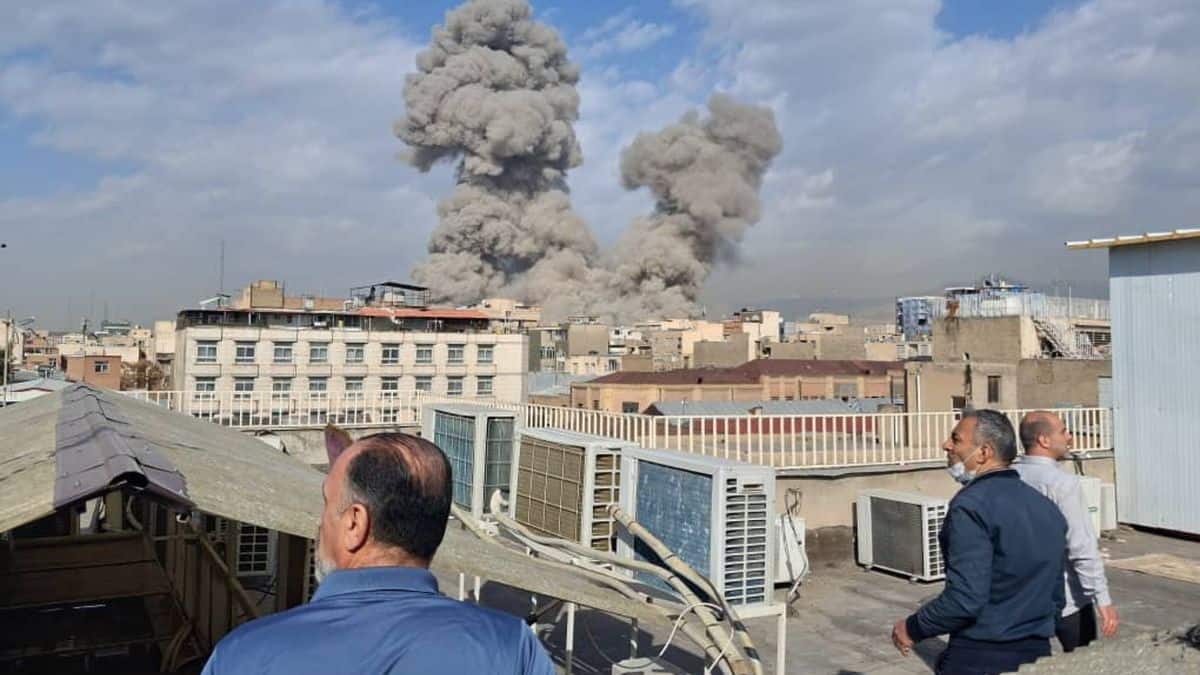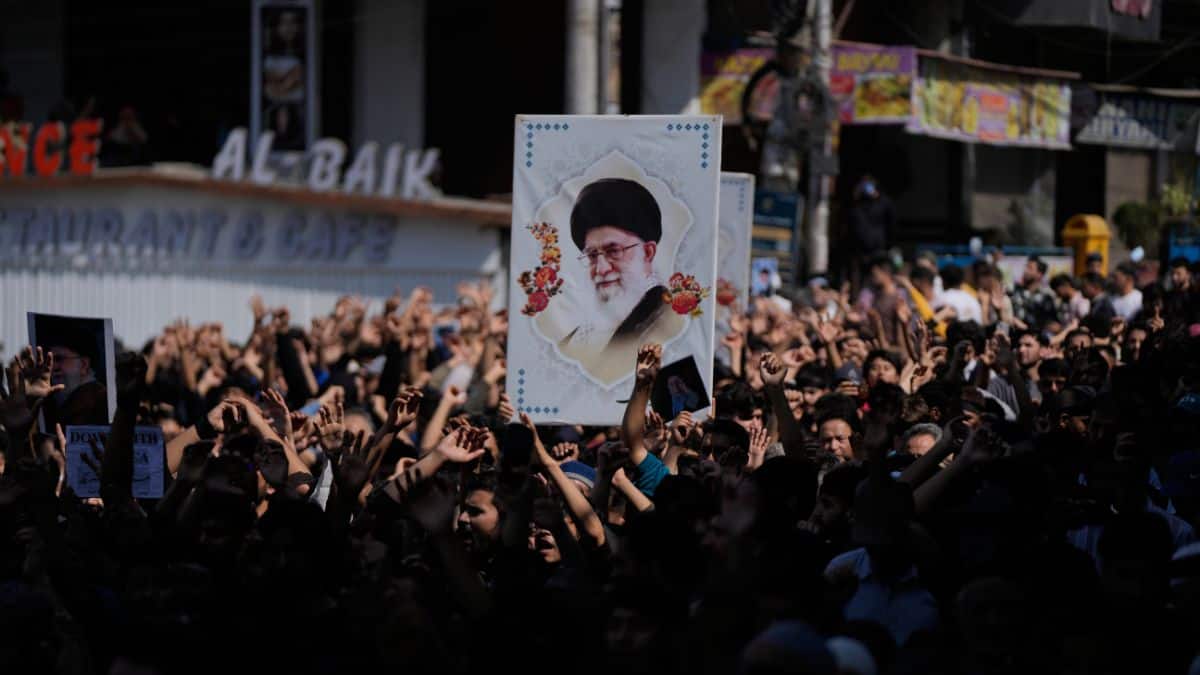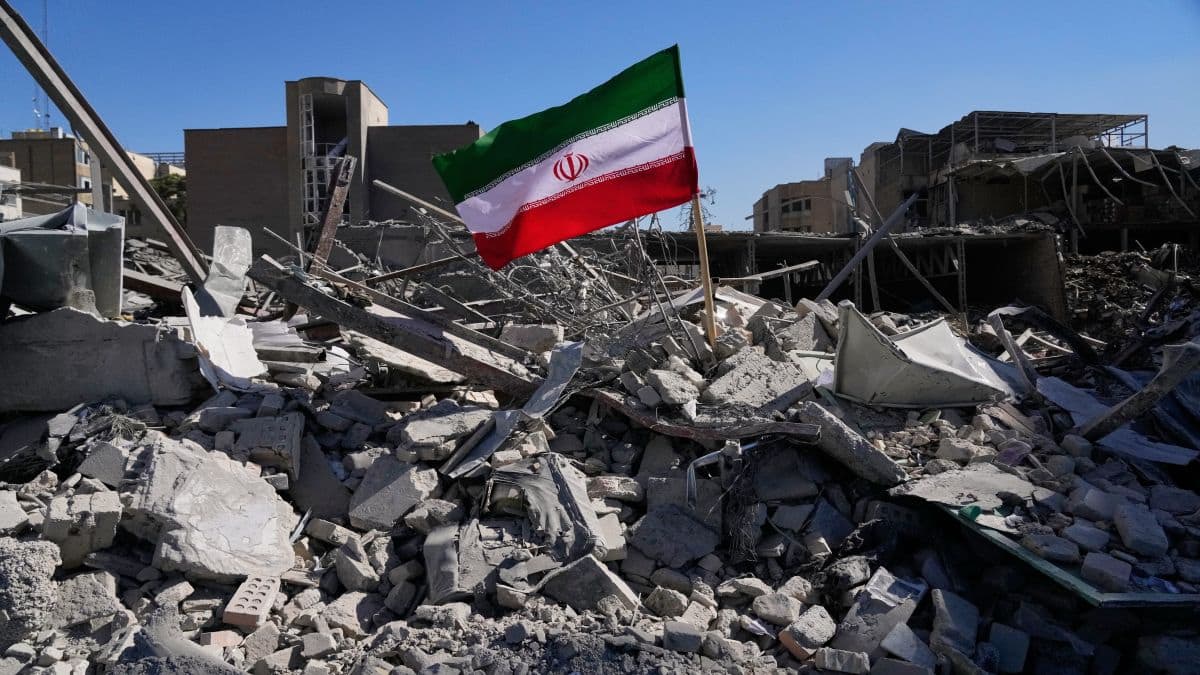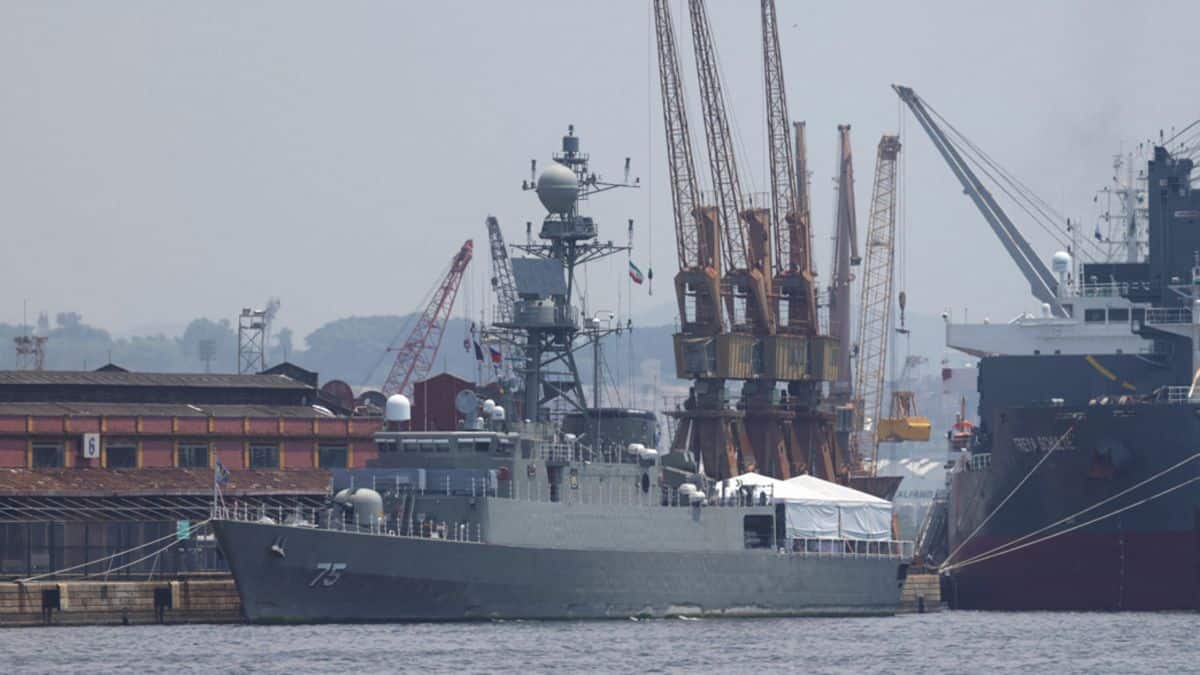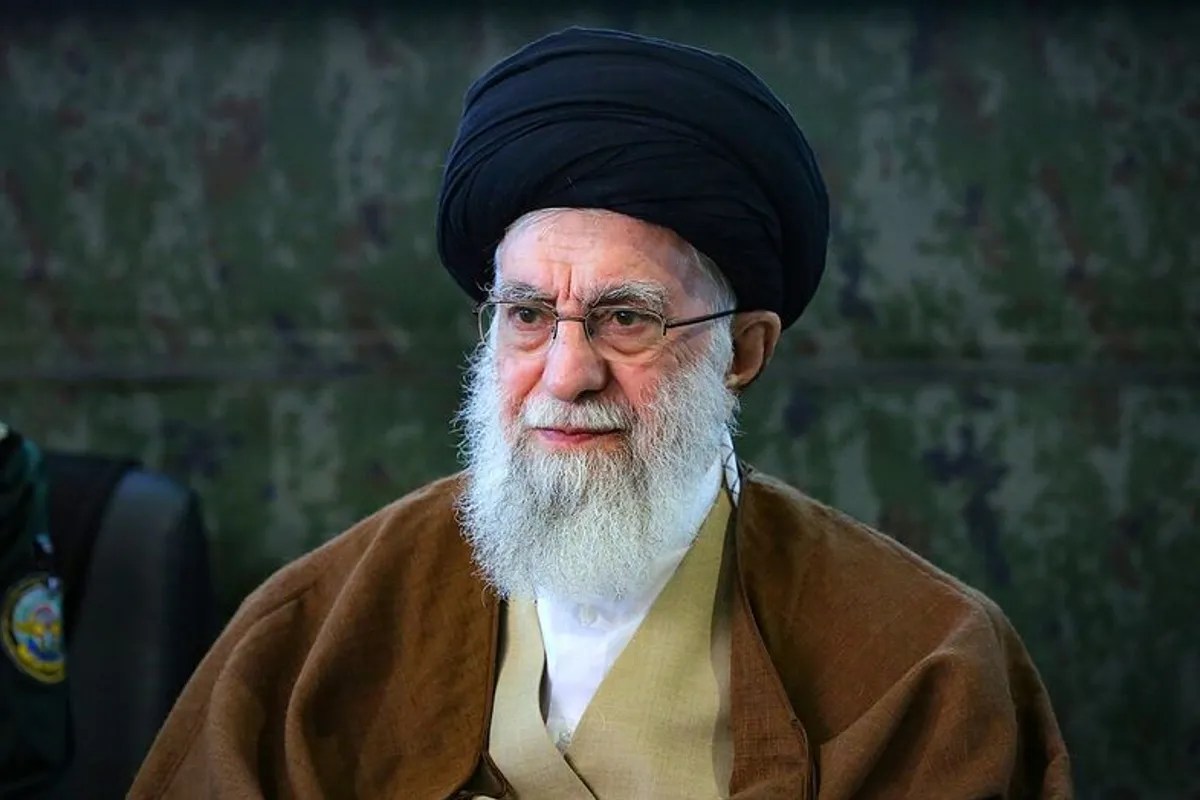
The death of a Supreme Leader in the Islamic Republic of Iran represents more than a moment of national mourning; it is a critical vulnerability in the state’s command-and-control architecture. Israel’s explicit threats toward the potential successor—issued before the burial of the predecessor—function as a psychological operation designed to exploit the "Transition Friction" inherent in non-democratic successions. By signaling that the "New Supreme Leader" inherits not just the office but the target profile of his predecessor, Israel is attempting to disrupt the consolidation of power before it begins.
The Triad of Iranian Power Stability
To understand why a threat during a funeral is strategically significant, one must deconstruct the three pillars that hold the Iranian state together. When a Supreme Leader dies, these pillars undergo a stress test.
- The Clerical Mandate (Wilayat al-Faqih): This provides the legal and religious basis for absolute rule. A successor must be chosen by the Assembly of Experts, a process that invites internal factionalism.
- The Praetorian Guard (IRGC): The Islamic Revolutionary Guard Corps controls the kinetic and economic levers of the country. Their primary interest is the protection of their commercial empires and the continuation of the "Forward Defense" doctrine.
- The Bureaucratic State: The elected presidency and ministries handle the day-to-day administration.
Israel’s rhetoric targets the intersection of the IRGC and the Clerical Mandate. By suggesting the next leader is already marked for elimination, Israel forces the IRGC to reconsider the cost of its proxy-led foreign policy. If the cost of the "Next Leader" is an immediate decapitation strike, the internal bargaining between the Clerical Council and the IRGC becomes fraught with risk.
The Kinetic Redline and Deterrence Decay
Deterrence is a function of capability and credibility. For decades, the Supreme Leader was viewed as "off-limits" due to the fear of a total regional conflagration. This was a "Sanctuary Logic" where the head of the octopus was safe while the tentacles (proxies like Hezbollah and Hamas) took the hits.
The recent shift in Israeli strategy indicates a total abandonment of Sanctuary Logic. The mechanism at play is The decapitation multiplier. In a centralized system like Iran's, the Supreme Leader is the final arbiter of all strategic decisions. If Israel can credibly threaten the arbiter, the entire decision-making chain of the "Axis of Resistance" enters a state of paralysis.
Why the Timing of the Threat Matters
Threatening a leader before they have even taken the oath of office serves three tactical purposes:
- Intelligence Signaling: It suggests that Israeli intelligence has already mapped the inner circle of the successor. It implies that the "Who" is less important than the "Where," signaling that no matter who is chosen, their location and communications are compromised.
- Encouraging Factionalism: Within the Assembly of Experts, some members may favor a "Quietist" approach—a leader who focuses on internal stability rather than external confrontation. Israel’s threat empowers the moderates by highlighting the lethal cost of choosing a hardline "Export of the Revolution" candidate.
- Disrupting the "Rally Around the Flag" Effect: Normally, a leader's death unites a population. A credible threat of immediate further violence introduces an element of fear and uncertainty that counteracts the mourning process.
The Cost Function of the Successor
The individual who steps into the role of Supreme Leader faces an immediate "Strategic Deficit." They must manage an economy crippled by sanctions, a restless youth population, and now, a direct existential threat from a technologically superior adversary.
The Survival-Legitimacy Tradeoff
A new leader needs to project strength to gain the loyalty of the IRGC. However, projecting strength—such as ordering a retaliatory strike against Israel—increases the likelihood of the "Next Leader" being targeted.
If the leader chooses Survival (restraint), they risk losing the support of the hardline military apparatus. If they choose Legitimacy (aggression), they risk the kinetic end of their reign before it has properly begun. Israel is intentionally tightening this vice.
Technical Superiority as a Psychological Weapon
Israel’s threats are backed by the demonstrated capability of "Targeted Penetration." From the assassination of Mohsen Fakhrizadeh via satellite-controlled machine gun to the more recent high-profile strikes in Tehran, the technical gap between Israeli offensive capabilities and Iranian defensive measures is wide.
- Signal Intelligence (SIGINT): The ability to intercept encrypted communications within the inner sanctum of the Iranian leadership.
- Human Intelligence (HUMINT): The deep infiltration of the Iranian security apparatus, which allows for the tracking of movements in real-time.
- Kinetic Precision: The ability to strike a specific room in a building while leaving the rest of the structure intact.
These are not just military assets; they are psychological tools. They turn every phone, every car, and every meeting room into a potential trap for the new leader. This "Constant Surveillance Anxiety" degrades the leader's ability to think strategically and forces them into a defensive, reactive posture.
The Proxy Dilemma
The successor inherits a network of proxies (the "Ring of Fire") that are currently in various states of degradation. Hezbollah’s leadership has been thinned, and Hamas's conventional capabilities are shattered.
The new Supreme Leader must decide whether to double down on these assets or cut losses to protect the "Center of Gravity"—Tehran itself. Israel’s threat is designed to decouple the Supreme Leader from his proxies. The message is simple: If you use the proxies to hit us, we will not hit the proxies; we will hit you.
Structural Bottlenecks in the Iranian Response
Iran’s response to these threats is limited by structural realities that no amount of rhetoric can change:
- Air Defense Gaps: Despite the deployment of S-300 and indigenous systems like the Bavar-373, Iran lacks a comprehensive multi-layered defense capable of stopping a determined Israeli or coalition air campaign.
- Economic Exhaustion: Every rial spent on regional escalation is a rial not spent on stabilizing the domestic economy. The "Opportunity Cost of War" is at an all-time high for the Iranian state.
- Succession Legitimacy: The first 100 days of any new Supreme Leader are spent securing the internal "Buy-in" of various power centers. External conflict during this period is a massive distraction that can lead to internal coups or power grabs.
The Strategic Play
The transition period in Iran should be viewed as a "Systemic Reset." Israel is not just threatening an individual; they are attempting to rewrite the rules of engagement for the next era of Middle Eastern geopolitics. By removing the "Sanctuary" from the Supreme Leader's office, they are forcing the Iranian state to choose between the survival of the regime and the continuation of its revolutionary foreign policy.
For the successor, the immediate requirement is a radical hardening of personal security and a temporary retreat from provocative regional maneuvers. The strategic move is to initiate a "Strategic Patience 2.0" phase—prioritizing internal consolidation over external projection. For the international community, the focus must be on the Assembly of Experts. The selection of the next leader will be the single most important indicator of whether the region moves toward a "Managed Cold War" or a "Hot Decapitation Cycle." The new leader’s first decree will likely not be a call to arms, but a silent audit of his own security detail. He must find the moles before he can find his voice.