The sudden 7% surge in PayPal stock following rumors of a Stripe-led acquisition isn't just a blip on a trading terminal. It is a loud, ringing alarm for the entire fintech sector. While retail investors scrambled to buy the news, seasoned market observers saw something much darker: a desperate attempt by an aging pioneer to find a life raft in a sea of shrinking margins and mounting technical debt.
If Stripe actually moves on PayPal, it won't be a merger of equals. It will be a liquidation of a legacy brand by a more efficient predator.
For years, PayPal has survived on its massive user base and the sheer inertia of its checkout button. But the underlying mechanics are fraying. The company has struggled to convert its Venmo popularity into a high-margin business, while its core checkout service faces a pincer movement from Apple Pay on one side and Stripe’s developer-first ecosystem on the other. This rumored acquisition isn't about "synergy." It is about Stripe potentially buying the one thing it hasn't fully mastered: the consumer-facing wallet.
The Brutal Math of a Fintech Takeover
To understand why this move makes sense for Stripe—and why it signals a crisis for PayPal—you have to look at the cost of customer acquisition. PayPal has over 400 million active accounts. Building that kind of global trust takes decades and billions of dollars in marketing. Stripe, despite its $50 billion-plus valuation, remains primarily a "behind the scenes" infrastructure player.
Stripe powers the economy, but PayPal owns the customer's login.
By absorbing PayPal, Stripe would instantly bypass the hardest part of the payments business: convincing the average person on the street to trust them with their credit card details. However, the technical hurdles are massive. PayPal’s infrastructure is a patchwork of legacy code built over twenty-five years. Integrating that into Stripe’s modern, API-driven stack would be like trying to plug a steam engine into a fiber-optic network.
The market reacted positively because PayPal is currently undervalued relative to its historical peaks. It is a "value play" in a sector that used to be about pure growth. But for Stripe, the risk is becoming bogged down by the very bureaucracy and slow-moving corporate culture that has caused PayPal to stagnate in the first place.
The Venmo Problem Nobody is Discussing
Venmo is the crown jewel of the PayPal empire, yet it remains an enigma on the balance sheet. It has successfully captured the cultural zeitgeist, becoming a verb in the process. People "Venmo" each other for dinner, rent, and drinks. But the path to turning those peer-to-peer transactions into a profitable enterprise has been rocky.
PayPal has tried to push Venmo into the retail space, encouraging users to pay at checkout using their Venmo balance. The adoption has been tepid. Most users still treat it as a digital petty-cash drawer, not a primary financial tool.
If Stripe takes the reins, expect a radical shift. Stripe doesn't do "social." Stripe does utility. They would likely strip away the performative social feed of Venmo and turn it into a high-velocity merchant tool. They would use Venmo’s massive data set to fuel their fraud detection algorithms and credit lending products. They wouldn’t care if you saw your friend bought a coffee; they would care about the metadata of that transaction to better price a loan for the coffee shop.
Why the Regulators Will Be the Ultimate Dealbreakers
Any attempt at this acquisition will hit a brick wall in Washington and Brussels. The current regulatory environment is hostile to "killer acquisitions"—where a dominant firm buys a competitor to stifle innovation. While Stripe and PayPal operate in slightly different niches, the sheer volume of global commerce they would control together would trigger immediate antitrust investigations.
We are talking about a combined entity that would handle a significant double-digit percentage of all non-bank internet transactions.
- Market Concentration: A Stripe-PayPal entity would have an iron grip on the small-to-medium business (SMB) market.
- Data Monopoly: The amount of consumer spending data gathered would be rivaled only by the largest global banks and perhaps Amazon.
- Pricing Power: With less competition, the transaction fees (the "take rate") could be adjusted with little recourse for merchants.
Lawmakers are already skeptical of fintech’s "move fast and break things" ethos. A deal of this magnitude would be scrutinized for years, potentially bleeding both companies of the very cash they need to compete with emerging blockchain-based payment rails and central bank digital currencies.
The Engineering Debt Trap
Behind the polished interfaces of these apps lies a messy reality of banking partnerships and local regulations. PayPal operates in over 200 markets, each with its own labyrinth of compliance requirements. This is PayPal's "moat," but it is also its "anchor."
Stripe’s brilliance has always been its simplicity. A developer can get a Stripe integration running in minutes. PayPal’s integration process has historically been a nightmare of redirects, disparate APIs, and legacy "IPN" (Instant Payment Notification) systems that feel like they belong in 2005.
If Stripe buys PayPal, they aren't just buying a brand; they are inheriting a massive engineering debt. They would have to maintain two parallel universes: the clean, modern Stripe world and the cluttered, complex PayPal world. The history of tech acquisitions is littered with companies that died trying to manage this kind of duality.
Think of it as a house renovation. It is often cheaper and faster to build a new mansion from scratch than it is to buy an old, sprawling estate and try to replace all the plumbing and wiring while people are still living in it. PayPal is that old estate. It’s prestigious and occupies prime real estate, but the pipes are leaking.
The Hidden Threat of Apple and Google
While the world watches the Stripe and PayPal drama, the real winners might be the ones who own the hardware. Apple Pay and Google Pay have a structural advantage that no fintech app can match: they are baked into the operating system.
When you pay with your phone, you don't open an app. You double-click a button or hold it near a terminal. This frictionless experience is the ultimate "PayPal killer." Every step PayPal or Stripe adds to a transaction—every password, every 2FA code—is a point of friction where a customer might give up and just use the card stored in their iPhone’s Secure Element.
For Stripe, acquiring PayPal might be a defensive move to create a unified front against the "Big Tech" encroachment into payments. If they can combine Stripe's merchant tools with a revamped, hardware-integrated PayPal wallet, they might stand a chance. But that requires cooperation from the very companies trying to displace them.
The Reality of the 7 Percent Pop
Stock prices are often a reflection of hope rather than reality. The 7% jump in PayPal's valuation suggests that the market is desperate for a story—any story—that involves a turnaround. PayPal has spent the last two years cutting costs and buying back shares, but you can’t "cost-cut" your way to being the future of global finance.
The rumor of a Stripe acquisition provides a convenient exit narrative. It suggests that PayPal is still a valuable asset worth fighting for, rather than a decaying giant slowly losing its relevance.
If the deal fails to materialize—which is the most likely outcome given the regulatory and technical hurdles—PayPal will have to face the music alone. They will be left with an aging user base, increasing competition, and a brand that feels more like a utility from the eBay era than a tool for the next decade.
The Strategy for the New Economy
Merchants and developers should not wait for a corporate marriage to decide their next move. The era of relying on a single payment provider is over. The smart money is moving toward "payment orchestration"—using software to route transactions through multiple providers based on cost, reliability, and regional success rates.
Relying solely on PayPal is a legacy risk. Relying solely on Stripe is a platform risk.
The real "hard-hitting" truth here is that the payments industry is becoming a commodity. The "take rate"—the percentage these companies keep—is under constant downward pressure. To survive, these firms have to become more than just "pipes." They have to become software companies that offer lending, payroll, and inventory management.
Stripe is already doing this. PayPal is trying to catch up. Whether they do it together or separately, the gold rush of the early fintech days is officially over. We are now in the consolidation phase, where the big eat the old, and the regulators watch every bite.
Audit your current checkout flow and identify where you are losing money to hidden fees or high cart abandonment. If your checkout requires a redirect to a third-party site, you are already losing to the mobile-native generation. You don't need a merger to tell you that friction is the enemy of profit.
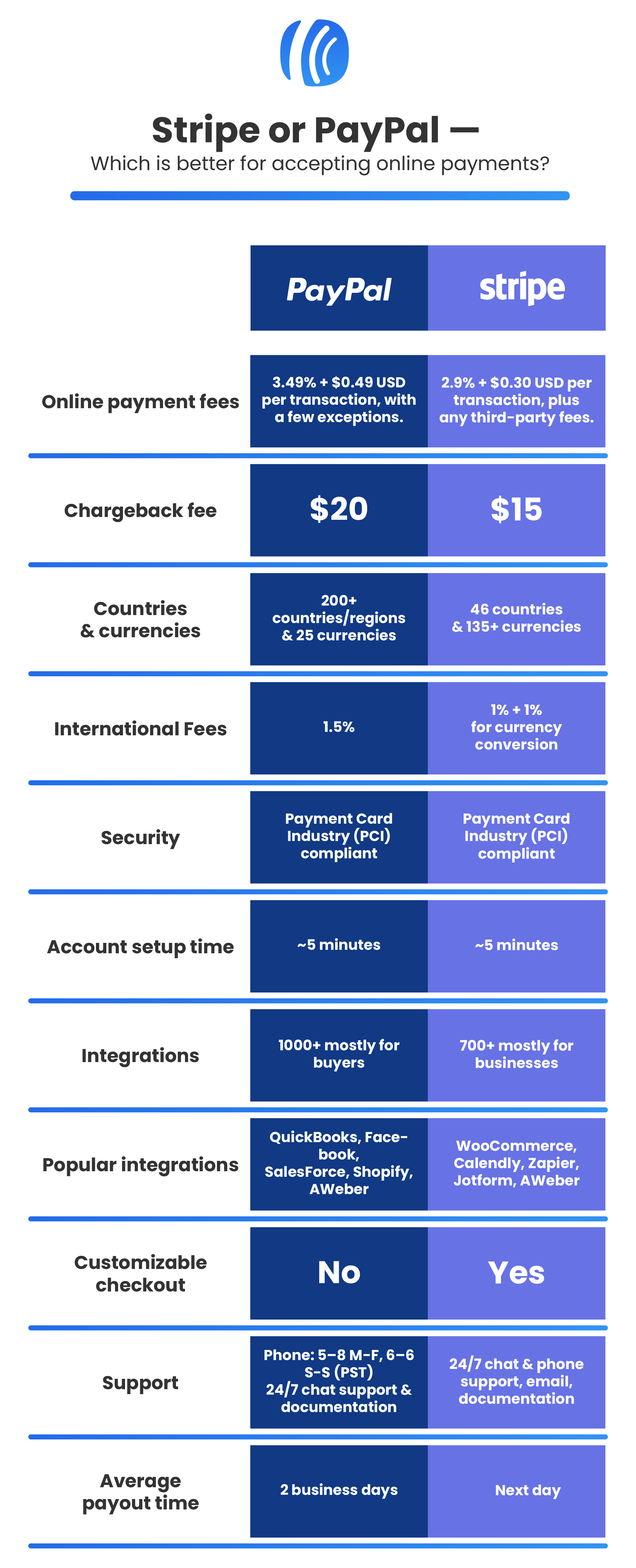
Check your "take rate" against the industry average of 2.9% plus 30 cents. If you aren't getting volume discounts or integrated lending options, you are paying for a legacy service at a premium price.
The next time you see a stock pop on a merger rumor, remember: companies that are winning don't usually look for someone to buy them. They look for someone to bury.