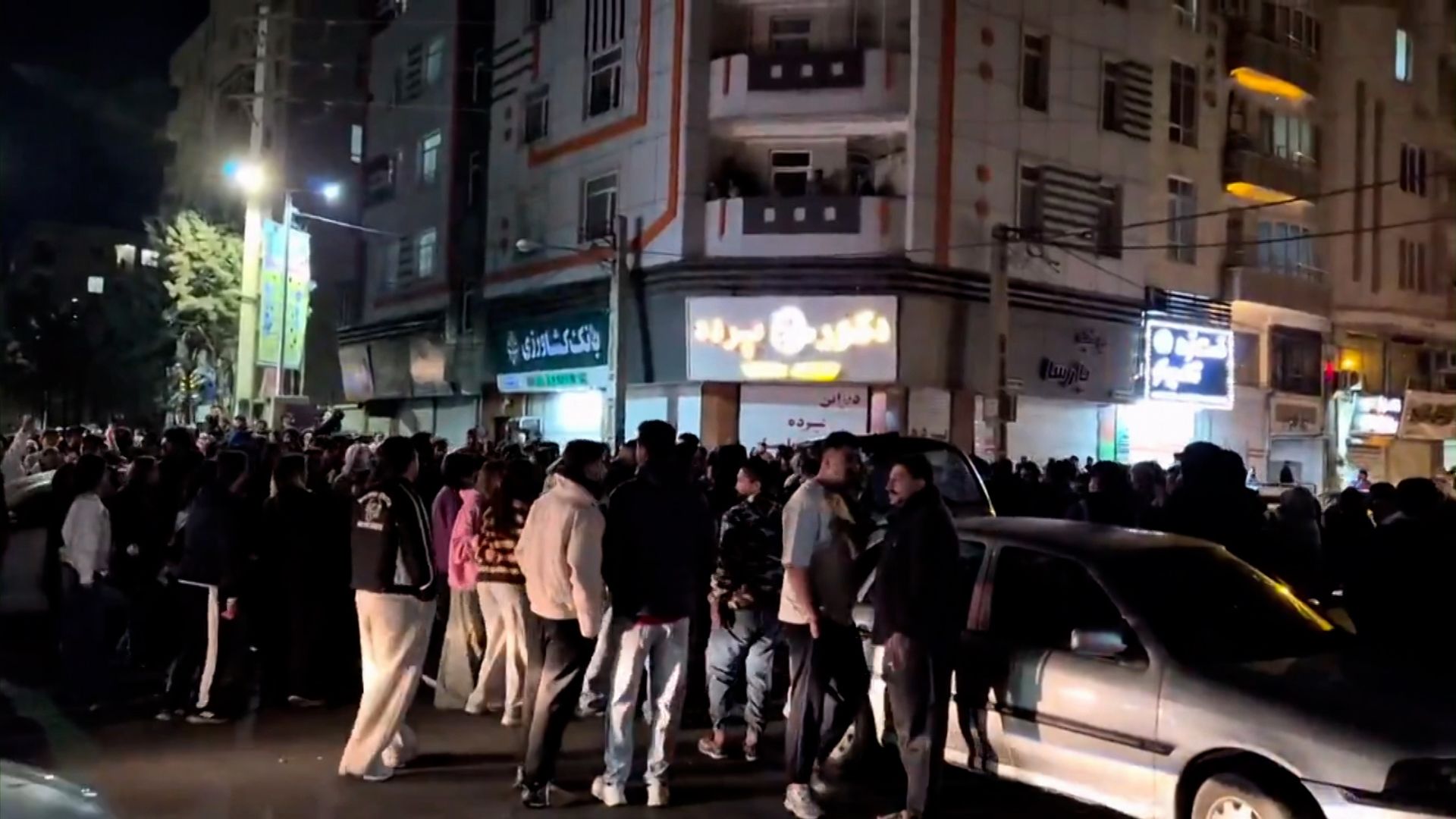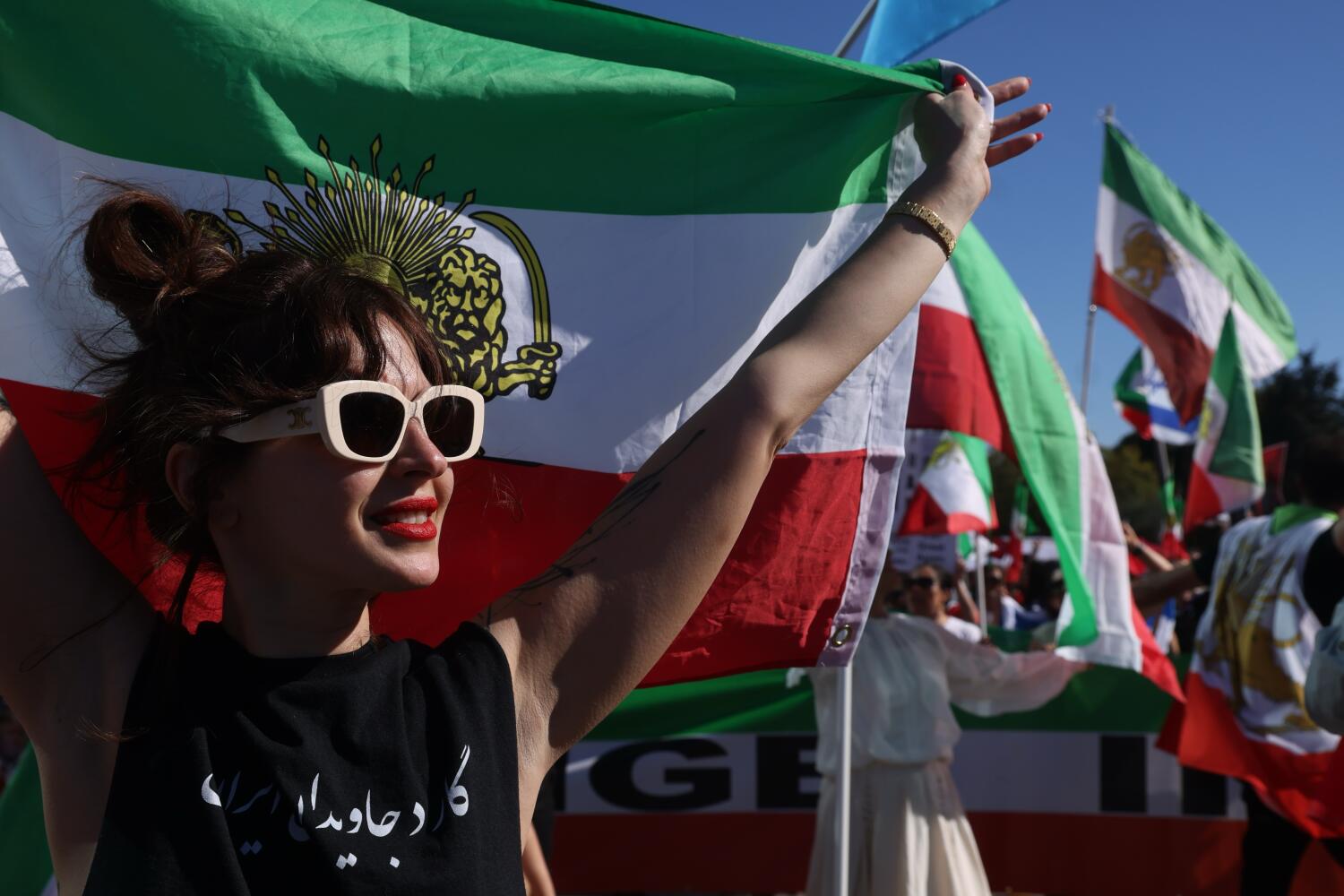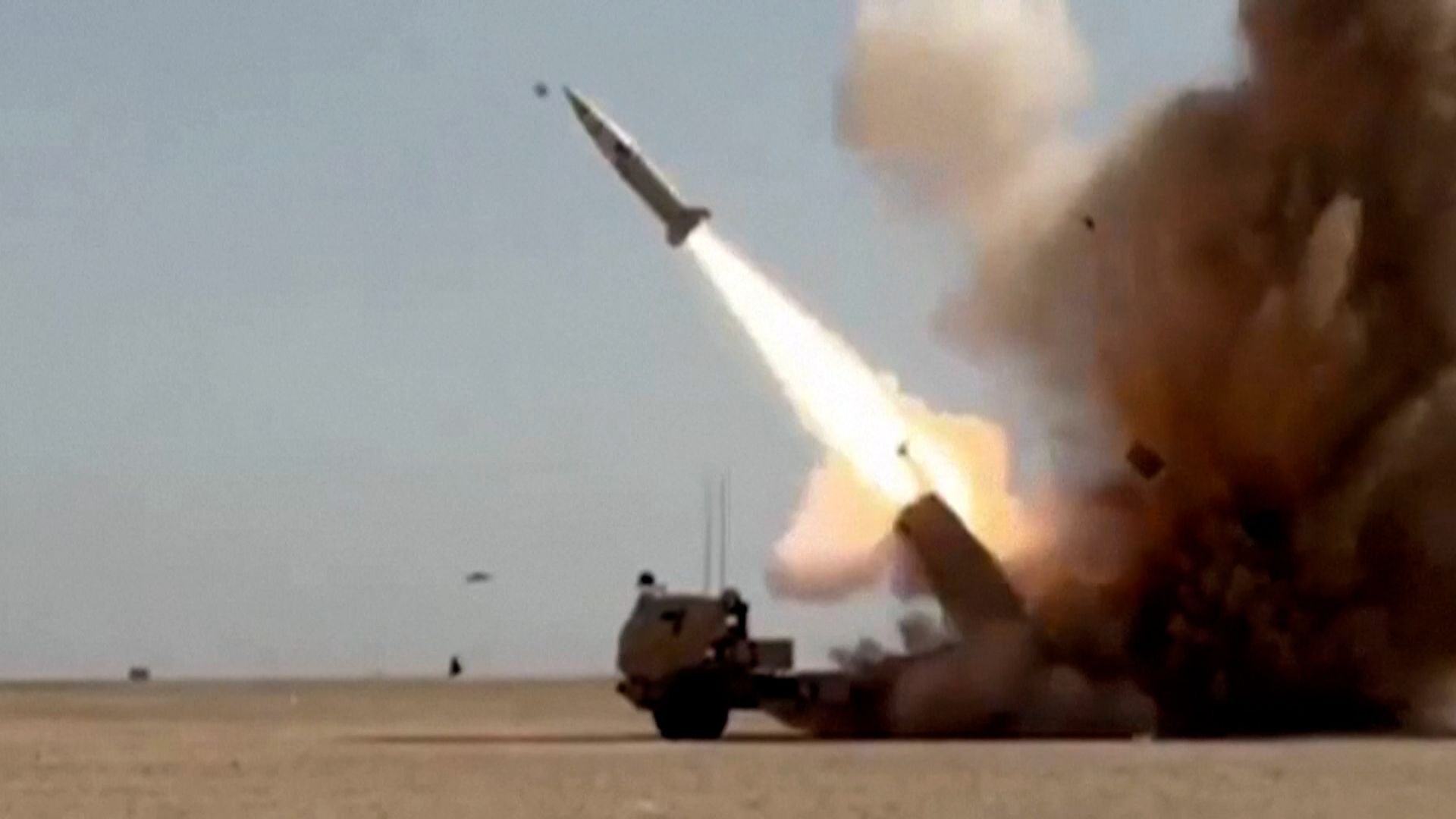
The headlines are predictable. They scream about "chaos" in the streets of Tehran and "unprecedented panic" sweeping through the Iranian populace following joint US-Israeli kinetic operations. It is the standard media script: paint every military strike as a tragedy of regional instability and a harbinger of World War III.
They are wrong.
The Western press treats "fear" as a humanitarian failure. In the brutal theater of Middle Eastern geopolitics, fear is not a byproduct; it is the currency of stability. For decades, the Iranian regime has operated on a doctrine of "strategic patience," a euphemism for bleeding their neighbors dry while remaining untouched at home. By shattering the illusion of their domestic invulnerability, the US and Israel aren't "triggering" a crisis—they are finally reintroducing a cost for state-sponsored escalation.
The Myth of the Rational Actor
Conventional foreign policy analysts love to treat the Islamic Revolutionary Guard Corps (IRGC) like a board of directors at a Fortune 500 company. They assume that if we just find the right "incentive structure," we can bring them to the table.
This is a fundamental misunderstanding of the theological-military complex. When you deal with a regime that views geopolitical expansion as a divine mandate, "carrots" are interpreted as weakness. I’ve seen diplomats waste years trying to negotiate with the Quds Force, only to have those same officials use the breathing room to smuggle more precision-guided munitions into Lebanon and Yemen.
The "panic" reported in Tehran isn't a sign of an impending humanitarian disaster. It is the sound of a regime realizing that its "Forward Defense" strategy has failed. For the first time in forty years, the theater of war isn't Baghdad, Beirut, or Gaza. It’s their own backyard.
The Calculus of Kinetic Deterrence
Let’s talk about the math of the strike. Most journalists look at the smoke and the craters. They miss the signal in the noise. When an F-35 or a long-range drone hits a specific facility inside Iran, the goal isn't just to blow up a centrifuge or a missile rack.
The real target is the internal security apparatus.
- Information Asymmetry: When the US and Israel can hit specific targets with zero civilian casualties, they prove they know exactly where the regime sleeps.
- The Paper Tiger Effect: The regime spends billions on Russian-made S-300 and S-400 systems. When those systems fail to even "paint" an incoming jet, the Iranian military leadership loses the confidence of its rank-and-file.
- Internal Fractures: Panic in the streets is a secondary effect. The primary effect is the panic in the bunkers.
Imagine a scenario where the IRGC leadership realizes their secure communications are compromised and their "impenetrable" air defenses are effectively lawn ornaments. That isn't "instability." That is the restoration of a deterrent.
Stop Worrying About the "Street"
The most common critique of these strikes is that they "rally the people around the flag." This is a lazy, Western-centric trope.
The Iranian people are not a monolith. Go beyond the state-sanctioned rallies in Revolution Square, and you find a population that is tired of their national wealth being burned in foreign proxy wars. When the regime's military assets go up in flames, the average citizen in Shiraz or Isfahan doesn't see an attack on "Iran." They see an attack on the bullies who have been arresting their daughters for showing their hair.
The "fear" being reported is largely concentrated within the parasitic elite. The people who benefit from the regime’s survival are the only ones who truly have something to lose. By targeting the IRGC's economic and military backbone, the US and Israel are performing a surgical separation of the Iranian state from the Iranian nation.
The Credibility of Force
We have been told for years that "there is no military solution to the Iran problem." This is a lie designed to protect the status quo of "managed decline."
The reality is that military force is the only thing that creates the conditions for a diplomatic solution. Without the credible threat of total systemic collapse, the regime has zero reason to stop its nuclear enrichment. Why would they? They’ve seen that the West prefers a slow-motion catastrophe to a decisive confrontation.
The Problem with "Proportionality"
International law experts often obsess over "proportionality." If Iran sends 300 drones, we should hit 300 targets, they say. This logic is a recipe for an eternal war of attrition.
True deterrence requires disproportionality.
If a bully punches you, and you punch him back exactly as hard, you’ve just started a boxing match. If a bully punches you and you burn down his house, the fight is over. The "fear and panic" being decried by the media is simply the realization that the rules of the game have changed. The "proportionality" era—where Iran could strike with impunity via proxies while remaining a sanctuary—is dead.
The Economic Reality of the "Chaos"
Critics argue that these strikes will tank the global economy and send oil to $200 a barrel.
Look at the data. The market has already priced in the Iranian regime’s volatility. The real threat to the global economy isn't a weekend of strikes; it's the long-term strangulation of the Strait of Hormuz by a regime that feels it can act without consequence.
By removing the IRGC’s ability to project power, you actually stabilize the long-term energy markets. It’s the difference between a controlled demolition and a building collapse. One is messy and loud; the other is a catastrophe.
The Counter-Intuitive Truth
The most dangerous thing for the Middle East isn't "fear and panic" in Tehran. It's confidence in Tehran.
When the regime feels confident, they fund the Houthis to shut down the Red Sea. When they feel confident, they accelerate enrichment to 60%. When they feel confident, they execute protestors in the streets of Mashhad.
Fear keeps them focused on survival. Survival limits their ability to export chaos.
We have spent decades trying to "de-escalate" by being predictable. It hasn't worked. Predictability is a gift to a strategist. Unpredictability, backed by overwhelming technical and military superiority, is a nightmare.
The media wants you to feel guilty for the "panic." Don't. It’s the first sign that the regime's shadow war is finally coming home to roost.
If the goal is a Middle East where sovereign borders are respected and nuclear proliferation is halted, then the "fear" currently gripping the Iranian leadership isn't the problem. It’s the only viable solution currently on the table.
Stop asking if the strikes were "too much." Ask why they took so long.
The regime has been betting that the West is too afraid of "instability" to ever strike back. They lost that bet. Now, for the first time in a generation, the IRGC has to look over its shoulder.
Good. Keep them looking.
Don't look for an exit ramp. There isn't one that doesn't involve the complete dismantling of the regime's ability to wage war. Every time we "de-escalate" out of a misplaced sense of humanitarian concern, we are simply funding the next massacre.
The heat isn't the problem. The heat is the refinery.
Burn away the illusions. Leave the regime with nothing but the cold, hard reality of their own weakness. That isn't warmongering; it’s the most honest form of diplomacy we have left.
Stop reading the headlines about "fear" and start reading between the lines: the Iranian regime is finally being treated like the paper tiger it is.
The era of strategic patience is over. The era of strategic consequence has begun.
The only thing more dangerous than a regime that is afraid is a regime that thinks you are.
Pick a side.