Gas prices just hit $4.05 a gallon on average in the U.S., and if you're waiting for a sudden dip, you're looking at the wrong map. The markets aren't just reacting to headlines anymore. They're pricing in a permanent shift in how energy moves through the Middle East. With Brent crude screaming past $120 a barrel this week, the "temporary" spike we all hoped for has morphed into a structural nightmare.
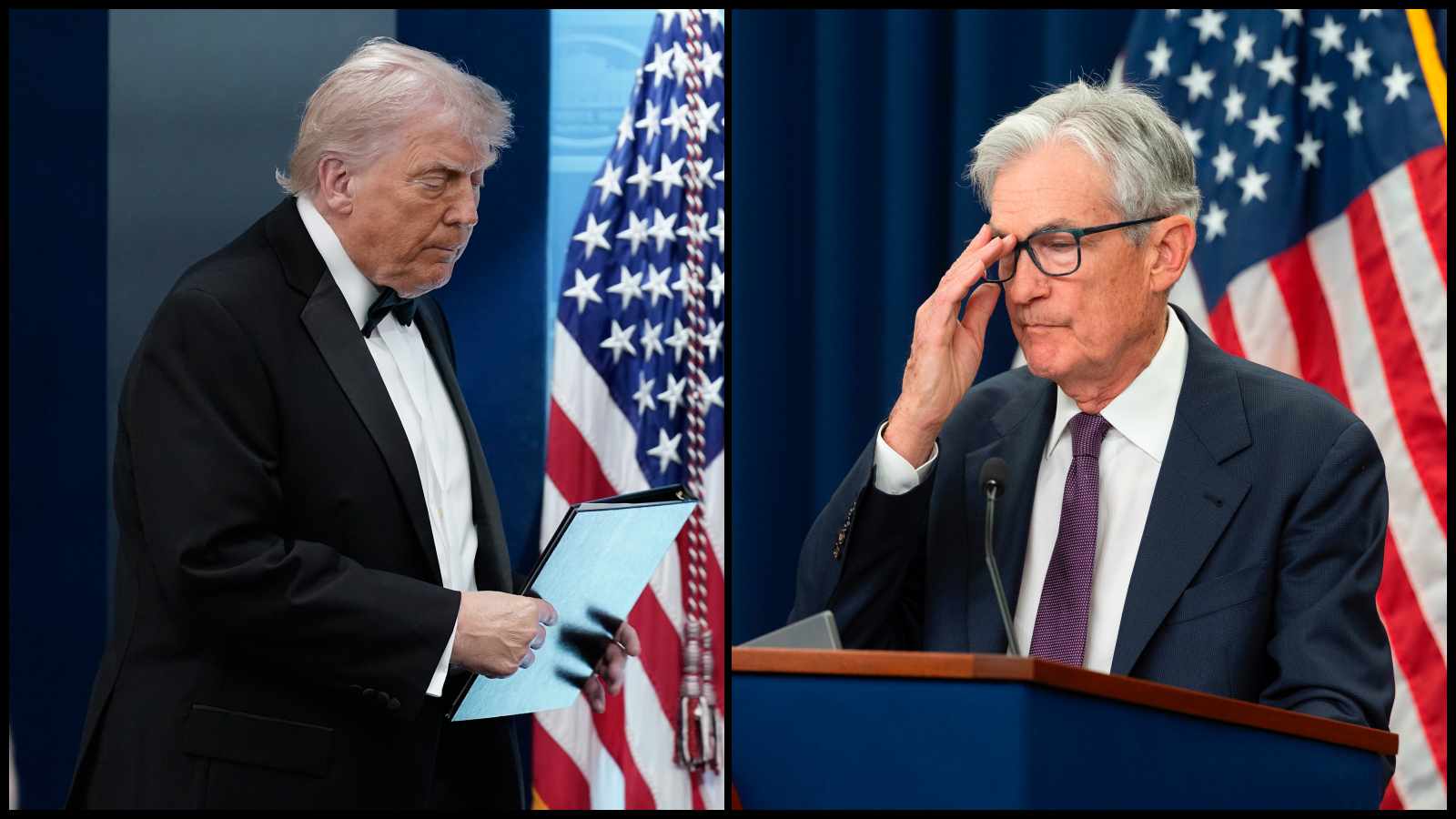
The reality is that the Strait of Hormuz isn't just a "choke point" in a textbook. It's a closed door. About 20% of the world's oil and liquefied natural gas (LNG) is stuck behind a naval blockade and a series of stalled negotiations that don't have an expiration date. When President Trump rejected Tehran's latest proposal on Wednesday, he didn't just kill a deal; he told the world that the U.S. is comfortable with a long-term blockade to get what it wants.
The Math Behind the $120 Barrel
Investors hate uncertainty, but they hate a supply vacuum even more. Right now, we're looking at a disruption of roughly 20 million barrels per day. That isn't just a number. It's the difference between a functioning global economy and a scramble for scraps.
International benchmark Brent futures hit $120.42 on April 29, 2026. That's an 8% jump in a single day. Why? Because the ceasefire that was supposed to save us on April 7 didn't hold. Instead of tankers moving, we have six to eight "Very Large Crude Carriers" (VLCCs) sitting idle near Chabahar port. They're loaded with Iranian crude but have nowhere to go.
It's not just about the crude, though.
- Jet fuel shortages are already grounding flights in Southeast Asia.
- Fertilizer prices have jumped 31% because the Gulf region exports a third of the world's urea.
- Diesel prices have more than doubled since the conflict started.
If you think this only matters at the pump, check your grocery bill. Most of the cost of wheat and corn is tied to the fertilizer and fuel used to grow and move it. We aren't just paying for a standoff at the gas station; we're paying for it at the dinner table.
Why Negotiations Keep Failing
I've watched these cycles for years, and this one feels different. Usually, there's a back channel or a "face-saving" exit for both sides. Not this time. Tehran wants "credible guarantees" that they won't be hit by another U.S.-Israeli strike. Meanwhile, the White House is doubling down, claiming the naval blockade is more effective than direct military action.
Basically, neither side feels the need to blink yet. Iran is betting it can outlast the West's tolerance for high inflation. The U.S. is betting that cutting off Iran's limited resources will force a total collapse of their nuclear program. It’s a game of chicken where the onlookers—you and I—are the ones getting hit by the debris.
JPMorgan analysts are calling this a "ceasefire stalemate." It means we might not see a full-scale regional war, but we also won't see the Strait of Hormuz reopen properly for months. Andy Lipow of Lipow Oil Associates pointed out that even if a deal was signed today, it would take four to six months just for supply chains to normalize. You can't just flip a switch and expect 20 million barrels to start flowing instantly.
The Massive Misconception About U.S. Energy Independence
You'll hear plenty of pundits claim that the U.S. is "energy independent" and shielded from this mess. That's a half-truth at best. Yes, we produce a lot of oil, but oil is a global commodity. When the price of Brent goes up in London, the price of West Texas Intermediate (WTI) follows it like a shadow.
WTI is currently hovering near $107, up from $70 before the conflict. Our domestic production helps, but it doesn't insulate us from global reality. Refineries in the U.S. are built to handle specific types of crude. When Middle Eastern supplies vanish, those refineries can't just swap in local shale oil without expensive adjustments. That's why you're seeing record high fuel price increases despite "independence."
What You Should Actually Do
Stop looking for the bottom. We've likely moved into a new era of "sticky" energy inflation. If you’re an investor, looking at sentiment proxies like Exxon Mobil (XOM) or Chevron (CVX) is a standard move, but don't ignore the broader impact on base metals and food.
- Audit your energy exposure. If your business relies on shipping or heavy logistics, you need to hedge for $5.00 a gallon gas being the new normal, not a freak occurrence.
- Watch the VLCC clusters. Satellite imagery of the Gulf of Oman is a better indicator of price movement than any White House press briefing. If those tankers don't move, the price won't drop.
- Ignore the "Next Week" predictions. This is a multi-month, if not multi-year, adjustment period. The damages to infrastructure like Qatar’s Ras Laffan LNG complex are estimated to take three to five years to fix.
The standoff isn't just a political headline. It's a total rewrite of the global energy map. Lock in your energy contracts now if you can. The door to cheap oil is locked, and the keys are at the bottom of the Persian Gulf.