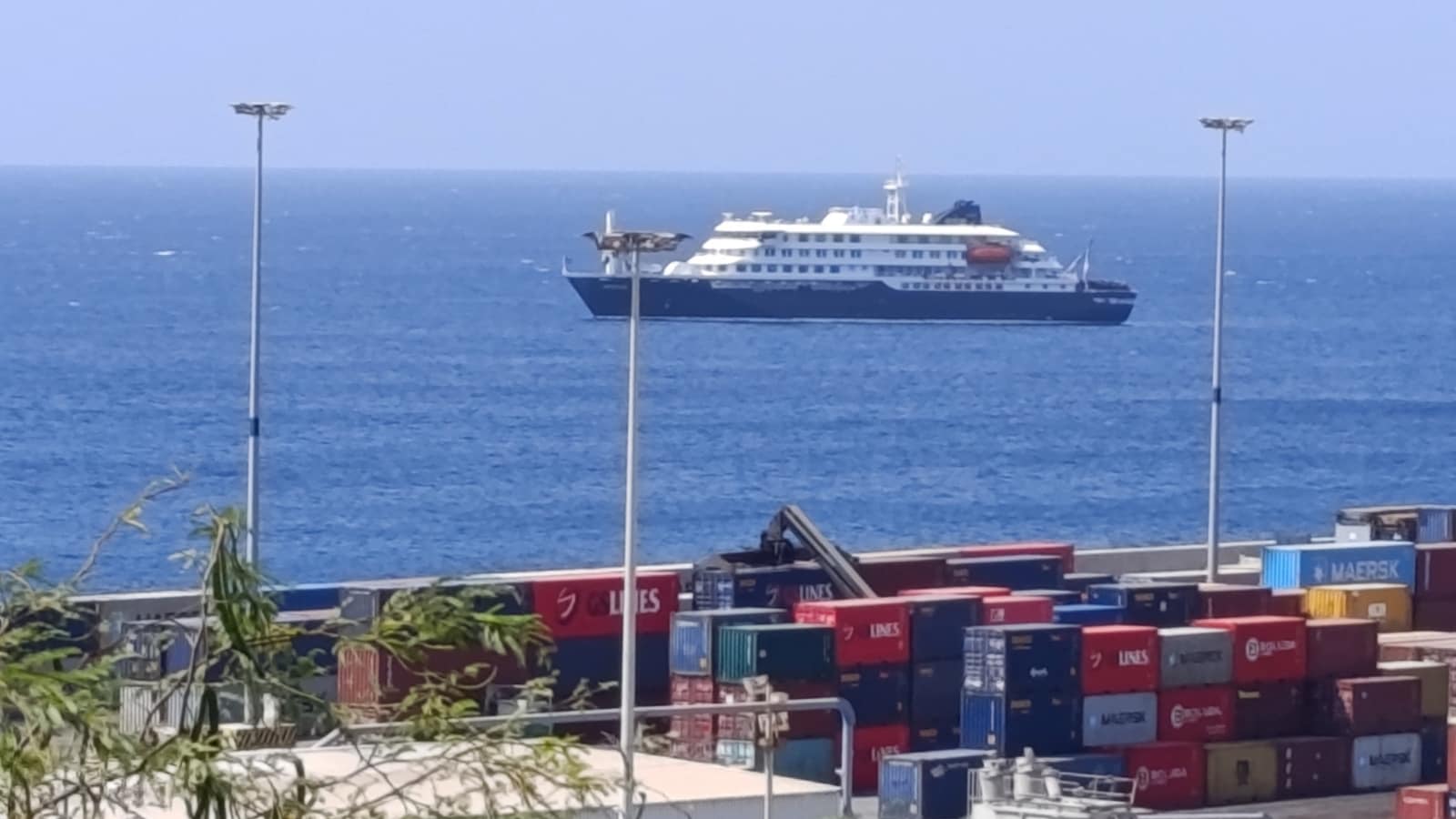
The headlines are bleeding with a predictable, frantic rhythm: "Where is the CDC?" "Why isn’t the government intervening?" There is a hantavirus outbreak on a luxury cruise liner, and the armchair epidemiologists are out in force, demanding that a federal agency swoop in like a biological SWAT team.
They are asking the wrong question.
The real question isn't why the CDC is silent. The question is why anyone expected a terrestrial regulatory body to possess the magical jurisdiction or the logistical competence to "fix" a floating petri dish in international waters.
If you are waiting for a government lanyard to save you from a rodent-borne pathogen while you’re sipping a daiquiri in the middle of the Atlantic, you don't understand how public health—or maritime law—actually works.
The Jurisdictional Myth
The loudest critics of the current response seem to believe the CDC has a global mandate to board any vessel flying any flag. It doesn't.
Most major cruise lines register their ships in countries like the Bahamas, Panama, or Liberia. This isn't just about taxes; it’s about the legal "flag state." When a ship is in international waters, the laws of that flag state apply. The CDC’s Vessel Sanitation Program (VSP) exists, yes, but its primary teeth are sharpest when a ship is docked at a U.S. port. Once that gangway is retracted, the CDC is largely an advisory body.
Demanding the CDC "take over" a ship in the Caribbean is like demanding the LAPD solve a burglary in London. It is a fundamental misunderstanding of the borders of power.
Hantavirus Isn't the Boogeyman You Think It Is
The panic stems from the word "Hantavirus." It sounds exotic. It sounds lethal. In the American Southwest, Hantavirus Pulmonary Syndrome (HPS) carries a terrifying mortality rate. But here is the nuance the "experts" in the news cycle are ignoring: not all hantaviruses are created equal.
Hantaviruses are a family of viruses. You have the New World strains (like Sin Nombre) which attack the lungs, and you have the Old World strains which typically cause Hemorrhagic Fever with Renal Syndrome (HFRS).
The industry insiders know something the frantic public doesn't. A cruise ship outbreak is almost certainly linked to the supply chain—specifically, infested grain or cargo loaded at an international port. If the symptoms being reported are mild fever and kidney stress rather than acute respiratory failure, the "death ship" narrative collapses.
The CDC knows this. They aren't "missing." They are likely sitting back, looking at the data, and realizing that a localized HFRS outbreak among a specific demographic of travelers doesn't warrant a global red alert. It warrants a deep clean of the galley and a change in grain suppliers.
The Illusion of the "Clean" Ship
People treat cruise ships like sterile hospitals. They are not. They are massive, moving cities with complex ventilation systems and thousands of nooks where a single deer mouse or a Norway rat can thrive.
I’ve seen cruise lines spend six figures on "biosecurity" consultants who do nothing but spray diluted bleach and hand out brochures. It is theater.
The "lazy consensus" says that more regulation will stop outbreaks. It won't. You cannot regulate biology out of a steel hull that interacts with dozens of different ecosystems every month. The more we lean on the CDC to be the parent of the industry, the less the cruise lines invest in their own onboard medical infrastructure.
The Brutal Reality of Onboard Triage
If you are on a ship with an unfolding outbreak, the CDC is the last group of people who will actually help you. Your fate is in the hands of the ship’s Chief Medical Officer—usually a contracted doctor who is balancing patient care with the corporate mandate to keep the ship moving.
The "unconventional advice" no one wants to hear? Stop looking for a federal savior.
- Audit the HVAC: If you’re worried about aerosolized rodent droppings, stop using the recycled air in your cabin. Open the balcony door.
- Ignore the Buffet: This isn't just about Norovirus. If there is a rodent issue, it’s in the dry storage. Pre-packaged, sealed goods are your only friend until you hit land.
- Verify the Strain: Ask the onboard medical team if they are seeing respiratory or renal symptoms. If they won't tell you, assume the worst and mask up.
The CDC as a Scapegoat
The media loves the "Government Inaction" trope because it’s an easy story to write. It shifts the blame from the multi-billion dollar cruise corporations to a bureaucratic agency.
When a ship experiences an outbreak, the corporation’s first move is to claim they are "cooperating fully with the CDC." This is code for "we are hiding behind their slow reporting process to avoid a stock price dip."
The CDC’s silence isn't a failure; it’s a reflection of their limited utility in a private, international commercial space. They are a data-crunching organization, not a maritime rescue service.
The Cost of the "Safety" Narrative
We have conditioned travelers to believe that "safety" is a guaranteed commodity provided by a three-letter agency. This creates a moral hazard. Travelers board ships without researching the medical capabilities of the vessel or the history of its sanitation scores, assuming that if it were dangerous, the CDC wouldn't let it sail.
The CDC’s VSP scores are a snapshot in time, often gamed by crew members who know exactly when the inspectors are coming. I’ve seen ships pass with a 98/100 while having active pest issues hidden behind false bulkheads.
The status quo is a lie. The "experts" wondering where the CDC is are simply perpetuating the myth that we can outsource our personal risk management to a government office in Atlanta.
You are on a boat in the ocean. You are responsible for your own immune system. The CDC isn't coming to board your ship, and quite frankly, they shouldn't have to.
Stop asking for a press release and start asking why the cruise line's internal biosecurity failed so spectacularly. The answer isn't in a government briefing; it's in the ledger of a company that prioritized a fast turnaround at a contaminated port over the health of its passengers.
The CDC isn't missing. They’re just irrelevant to the immediate reality of a ship at sea.
Get used to it.