Pedro Sánchez is betting the house on a slogan. "No to the war" sounds great on a protest banner, but as a pillar of foreign policy for a mid-sized European power, it is a catastrophic failure of realism. While the Spanish Prime Minister basks in the glow of progressive applause for defying Donald Trump, he is effectively blindfolding Spain as it walks toward an economic cliff.
The media consensus is lazy. They frame this as a David vs. Goliath battle of values. They cast Sánchez as the "last progressive holdout" against a thuggish American administration. This narrative ignores the cold, hard mechanics of global trade and the reality of how power actually operates in 2026. Sánchez isn't just saying no to a war; he is saying no to the primary security and economic architecture that keeps Spain's economy breathing.
The Myth of European Immunity
The most common defense of Sánchez’s defiance is that the European Union will save him. Pundits point to the fact that Brussels, not Madrid, negotiates trade. They claim Trump cannot "cut off trade" with Spain without cutting it off with the entire 27-member bloc. This is a dangerously naive interpretation of modern economic warfare.
I have seen how Washington operates when it wants to isolate a specific economy within a bloc. You don't need a total trade embargo to cripple a nation. You use "precision-guided" economic measures.
Imagine a scenario where the U.S. Treasury implements targeted financial sanctions on Spanish banks under the guise of "anti-money laundering" or "counter-terrorism financing" related to Iranian backchannels. Suddenly, Spanish firms cannot process dollar transactions. It doesn't matter what Brussels says about trade policy; if the private banking sector is paralyzed by the fear of U.S. secondary sanctions, the Spanish economy seizes up.
Treasury Secretary Scott Bessent’s hint at a "combination effort" is not a bluff. It is a roadmap. By labeling Spain’s refusal to grant base access as "endangering American lives," the administration has shifted the argument from trade to national security. In the U.S. legal system, "national security" is the ultimate trump card that bypasses traditional trade agreements.
The Base Access Blunder
Sánchez claims he is protecting Spanish sovereignty by denying the use of Rota and Morón for strikes on Iran. In reality, he is devaluing Spain’s only real currency in the NATO alliance.
Spain has notoriously underinvested in its own defense, consistently failing to meet even the 2% GDP threshold, let alone the 5% Trump is now demanding. The only reason Spain has maintained its seat at the high-stakes table is its geography. The bases are the rent Spain pays to be part of the Western security umbrella.
When you stop paying the rent, you lose the protection. By turning the bases into a political theater, Sánchez has signaled to Washington that Spain is a "fair-weather ally." This doesn't just annoy Trump; it changes the calculus for every future U.S. administration. If Rota isn't available when the bullets fly, why should the U.S. Navy continue to station a destroyer squadron there? If the U.S. pulls out, the local economies of Andalusia—already some of the poorest in the country—will collapse.
The Cost of the "Moral" High Ground
Let’s look at the numbers. The U.S. is one of Spain's largest non-EU export markets. In 2025 alone, Spanish exports to the U.S. topped $21 billion. From pharmaceutical products to olive oil and aircraft parts, the exposure is massive.
Sánchez’s supporters argue that Spain can "diversify its supply chains." This is a classic political lie. You do not replace the American consumer market overnight. You do not find a new home for billions of euros in high-value exports because you’re upset with a White House press briefing.
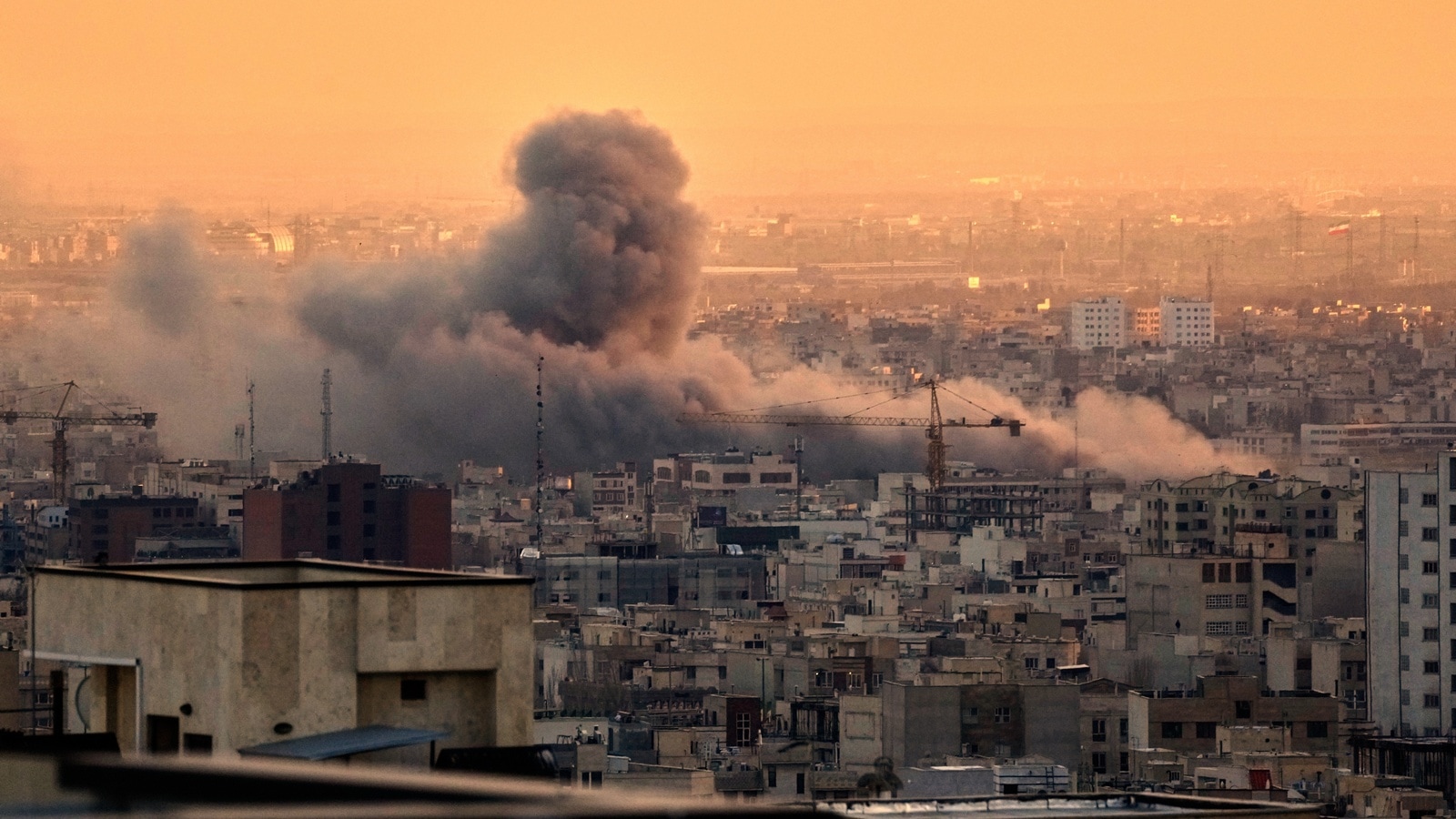
Moreover, Spain’s energy security is now tied directly to the very conflict Sánchez is trying to ignore. By alienating the U.S., Spain loses its leverage in a global energy market that is currently being reshaped by the war in Iran. If the Strait of Hormuz is choked, Spain will be begging for the very U.S.-led maritime protection it is currently refusing to facilitate.
Domestic Distraction as Foreign Policy
The most cynical aspect of this "No to the war" stance is its timing. Sánchez is leading a fragile minority government plagued by scandals and sliding poll numbers. He needs a villain. He needs a "progressive crusade" to distract from domestic failures.
Attacking Trump is the easiest way to consolidate the Spanish left. It’s a low-cost political sugar high with long-term systemic consequences. The opposition, led by Alberto Núñez Feijóo, is right to point out that this is partisan theater. It is a "smoke-and-mirrors" strategy where the Prime Minister uses the specter of a foreign war to mask his vulnerability at home.
The EU’s Empty Promises
While leaders like Macron and von der Leyen offer "solidarity," notice what they aren't doing. They aren't closing their own airspaces. They aren't following Spain into a total freeze on military cooperation.
Germany’s Friedrich Merz is already playing both sides, standing next to Trump while whispering platitudes to Brussels. Spain is being allowed to play the martyr while the rest of Europe quietly negotiates for their own carve-outs. Being the "moral conscience" of Europe is a lonely and expensive job, and Spain is the only one foolish enough to apply for it.
The reality of 2026 is that neutrality is a luxury Spain cannot afford. By attempting to stay "clean" in a messy conflict, Sánchez is ensuring that Spain becomes the primary target for American retaliation. You cannot benefit from the global order while refusing to help maintain it.
Stop pretending this is about "values." It’s about a government that has forgotten how to weigh risk. Sánchez has chosen a momentary applause in Madrid over the long-term stability of the Spanish economy. When the tariffs hit and the investment dries up, "No to the war" won't pay the bills.
Would you like me to analyze the specific sectors of the Spanish economy most vulnerable to targeted U.S. financial sanctions?