South Sudan is bleeding again, and the world is looking the other way. We aren't just seeing a small border scuffle or a minor disagreement over cattle. The latest reports coming out of the Abyei Administrative Area and surrounding regions paint a picture of absolute devastation. The death toll from the recent string of attacks has officially climbed to 169. That’s a staggering number for a conflict that barely makes the crawl on international news networks. Even more gut-wrenching? 90 of those victims were civilians. These were people trying to farm, trade, and live in a territory that has been a geopolitical tug-of-war for decades.
If you’re wondering why this keeps happening, you have to look at the geography of the Abyei region. It sits right on the border between Sudan and South Sudan. It’s resource-rich, contested, and currently a powder keg of ethnic tensions and political maneuvering. While the official narrative often focuses on "communal violence," that's a sanitized term for what is actually happening on the ground. This is about survival, land rights, and a massive failure of security.
Why the Abyei region is a permanent flashpoint
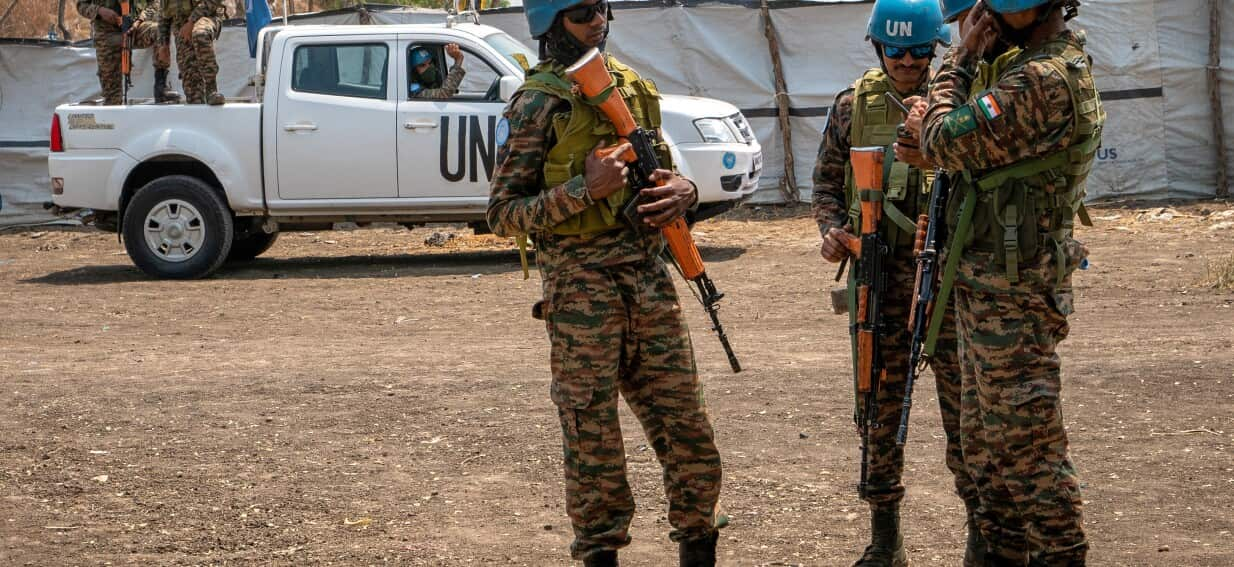
Abyei isn't just another province. It's a special administrative area that both nations claim. Because of its status, it lacks a firm, unified security apparatus. The United Nations Interim Security Force for Abyei (UNISFA) is there, but they’re spread thin. When hundreds of armed youth from neighboring Warrap State or local Ngok Dinka and Twic Dinka factions clash, the blue helmets often find themselves arriving after the smoke has cleared.
The recent surge in killings highlights a terrifying trend of escalation. We’re seeing more sophisticated weaponry and a complete disregard for the traditional "rules" of local conflict. In the past, these disputes might involve cattle raiding with limited casualties. Now, we’re seeing coordinated strikes on villages. When 169 people die in a single wave of violence, it’s an act of war, not a neighborhood dispute.
The human cost behind the 169 deaths
Numbers are easy to ignore. It's easy to read "169 dead" and move on to the next headline. But break it down. 90 of these people were civilians. These are mothers, children, and elderly people who couldn't run fast enough. The reports coming from local officials describe burned homes and looted markets. When a village is raided in South Sudan, the survivors don’t just lose their loved ones. They lose their entire livelihood. Their grain stores are burned. Their cattle—which represent their entire life savings—are driven off.
The psychological impact on the survivors is deep. I’ve seen how these cycles of violence work. A raid happens, people die, and the survivors are left with two choices: flee to a displacement camp or seek revenge. Right now, many are choosing to flee. This creates a massive humanitarian strain on regions that are already struggling with food insecurity. The World Food Programme and other agencies are trying to keep up, but how do you feed people in a "red zone" where trucks are constantly at risk of being hijacked?
Failure of the 2018 peace deal
South Sudan is technically under a revitalized peace agreement signed in 2018. If you look at the papers, the country is in a "transition" period. But if you talk to anyone on the ground in Abyei or Warrap, that peace deal feels like a fairy tale. The national government in Juba is often too distracted by internal power struggles to effectively police the periphery.
This creates a power vacuum. Local militias and "armed youth" fill that vacuum. These groups often have loose ties to political figures in the capital, making it even harder to disarm them. If the government disarms one group, they leave them vulnerable to an attack from a rival group that still has AK-47s. It’s a classic security dilemma. Nobody wants to be the first to drop their gun because the state can’t guarantee their safety.
What the international community gets wrong
The common mistake made by Western observers is viewing this as a simple "ethnic" conflict. It’s not. It’s a political and economic conflict dressed in ethnic clothing. Land is the currency here. Water is the currency. When the rains fail or the grazing lands shrink, the pressure builds.
UNISFA has its hands tied by a mandate that focuses on monitoring rather than aggressive intervention. While the UN soldiers do what they can, they are often outmaneuvered by local fighters who know the bush like the back of their hand. To fix this, there needs to be a push for a final status determination for Abyei. Until the residents know which country they actually belong to, the ambiguity will continue to be a tool for local warlords.
Practical steps for those watching from afar
You might feel helpless reading about a conflict thousands of miles away, but awareness is the first step toward pressure. The South Sudanese government needs to feel that the world is watching its failure to protect its own people.
- Support organizations with a direct presence in the region, such as Médecins Sans Frontières (MSF). They are often the only ones providing surgical care to the victims of these raids.
- Push for increased funding for the UN’S humanitarian response plan for South Sudan. It's chronically underfunded every year.
- Stay informed through local sources like Radio Tamazuj or the Juba Monitor. They provide the granular detail that major outlets miss.
The tragedy in Abyei isn't an isolated incident. It’s a symptom of a nation that is still struggling to define itself after decades of war. If 169 people can die in a few days without an international outcry, we’ve failed the people of South Sudan.
Governments in Juba and Khartoum need to stop using Abyei as a political chip. They need to prioritize the lives of the 90 civilians who just wanted to wake up in their own beds. The cycle of revenge won't stop until there is real accountability for these 169 deaths. We need independent investigations, not just empty promises from officials.
Pressure your local representatives to keep South Sudan on the diplomatic agenda. Use your platform to share the names and stories of the displaced. The silence is what allows these attacks to continue. We can't afford to be silent any longer.