In the Donbas, silence is a predator. It usually means the artillery has paused to reload, or the drones are hunting for something new to burn. But lately, a different kind of silence has settled over the Donetsk oblast—the hum of the refrigerator has stopped. The click of the light switch produces nothing but a hollow plastic snap. The internet, that invisible tether to a world not currently under fire, has vanished into the ether.
When the missiles hit the energy infrastructure in the east, they aren't just hitting steel and copper. They are severing the nervous system of a society already gasping for air.
Olena—a name for a thousand women currently huddled in the basements of Pokrovsk or Myrnohrad—doesn’t check the news to see which substation was hit. She knows by the temperature of the tea on her stove. She knows by the way the darkness swallows her living room at 4:00 PM, leaving her with nothing but the smell of damp concrete and the distant, rhythmic thud of the front line drawing closer.
For the people of Donetsk, Sumy, Kharkiv, and Poltava, the war is no longer just a map of advancing red lines. It is a struggle against the entropy of a collapsing grid.
The Geography of Darkness
The reports are clinical. They speak of "four regions deprived of electricity." They mention "infrastructure damage." They count the dead in numbers that have become tragically familiar. But a number cannot describe the specific, agonizing vibration of a Kh-101 cruise missile as it finds a transformer.
Ukraine's energy grid is a marvel of Soviet-era over-engineering, built to withstand a Cold War that never turned hot. Now, it is being dismantled piece by piece. When a power plant dies, the effect ripples outward like a stone dropped in a black pond.
In Donetsk, the recent strikes didn't just kill the lights. They killed the pumps. Water is the secret casualty of an energy war. Without the massive electric motors that drive the municipal systems, the pipes run dry. Residents who survived the morning’s shelling must spend their afternoon queuing at a communal well, their eyes scanning the gray sky for the silhouette of a "Shahed" drone. It is a regression of a century, forced upon a digital-age population in the span of a single Tuesday.
The stakes are invisible until they are gone. We take for granted that the dialysis machine will hum, that the elevator won't become a steel coffin between the 10th and 11th floors, and that the phone will charge. In Eastern Ukraine, every percentage point of a battery is a lifeline. Every bar of signal is a prayer answered.
The Cost of a Kilowatt
The logic of these attacks is simple and cruel: exhaustion. If you cannot break the soldier in the trench, you break the mother trying to boil water for her child. You make the act of staying in one's home an impossible feat of endurance.
In the Poltava and Sumy regions, the blackouts arrived with a sudden, jarring finality. These are areas that often serve as the hinterland for the war—places where the wounded are brought to heal and the displaced find a temporary bed. When the power fails there, the logistics of mercy fall apart. Surgeons operate under the cold, blue glare of headlamps. Exhausted volunteers try to coordinate evacuations using paper maps and word-of-mouth because the towers are dead.
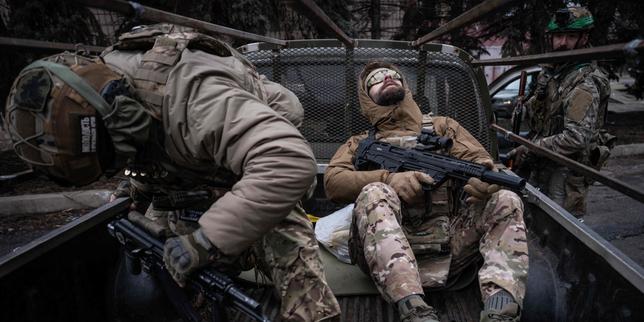
We often speak of the "front line" as a place where men carry rifles. But there is a second front line that runs through the boiler rooms and the control centers of the Ukrenergo stations. The engineers there are the unsung ghosts of this conflict. They go into the ruins while the smoke is still acrid, clambering over twisted metal to bypass a burnt-out circuit, knowing full well that the "double-tap" strike—a second missile aimed at the first responders—is a standard tactic.
They are playing a high-stakes game of Tetris with the nation’s survival. Every time a plant is hit, they reroute, they patch, and they pray the frequency doesn't drop so low that the entire system collapses into a "black start" scenario.
A Death in Donetsk
Beyond the pylons and the wires, there is the blood.
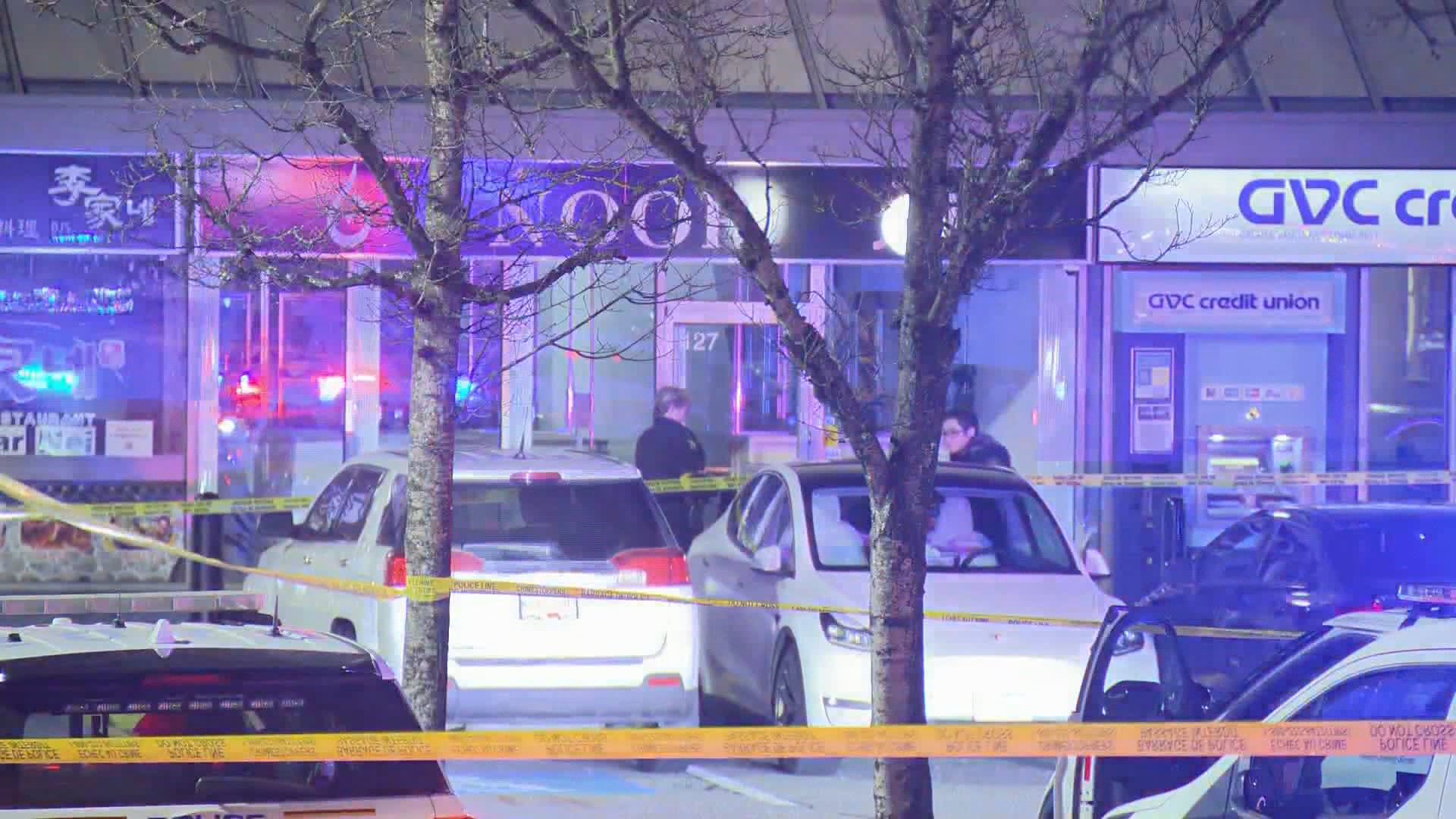
The latest strikes in the Donetsk oblast weren't just about the grid. They hit homes. They hit the places where people were trying to pretend, even for an hour, that the world wasn't ending. To die in an apartment block while the lights are flickering out is a lonely, terrifying exit.
Consider the anatomy of a strike. The warning is often too short. The sirens, powered by the very grid being targeted, might not even wail if the local backup fails. There is the whistle, the compression of air that feels like a punch to the lungs, and then the dust.
The "core facts" of the news report say two dead, three wounded. The narrative reality is a kitchen table split in half, a half-eaten bowl of soup covered in pulverized plaster, and a dog barking at a hole in the wall where a window used to be. The human element is the shoe left in the hallway, the owner nowhere to be found.
This is the psychological tax of the war. It isn't just the fear of the explosion; it’s the grinding, daily erosion of what it means to be a person in the 21st century. It is the loss of dignity that comes with not being able to wash, the isolation of not being able to call a relative, and the constant, low-level panic of wondering if the heat will stay on through the night.
The Fragility of the Modern World
The situation in Ukraine is a terrifying mirror held up to the rest of the developed world. We live in an era of extreme connectivity, yet that connectivity is brittle. Our lives are built on a foundation of "just-in-time" energy and digital synchronicity. When that foundation is targeted with military precision, the descent into chaos is remarkably swift.
Ukraine’s struggle is a masterclass in resilience, but it is also a warning. The grid is the ghost in the machine of our civilization. We don't notice it until it starts to scream.
In the darkness of the Sumy oblast, people are learning to read the stars again. They are learning which wood burns longest and which neighbor has a small, precious generator they are willing to share. There is a profound, communal bravery in this, but it is a bravery born of necessity, not choice. No one should have to be this strong.
The engineers work through the night. The repair crews haul massive spools of cable through mud that has the consistency of wet cement. They are fighting to keep the pulse of the country beating, even if that pulse is weak and irregular.
As the sun sets over the four darkened regions, the landscape doesn't just go black. It goes quiet. It is the silence of a million people waiting. Waiting for the hum to return. Waiting for the light to prove that the world hasn't forgotten them. Waiting for a morning where the only thing they have to worry about is the weather, and not the sky.
The last candle in Olena’s basement flickers. She shields the flame with a hand calloused by a winter of hauling water. The wick is short, the wax is pooling, and outside, the hunt continues.