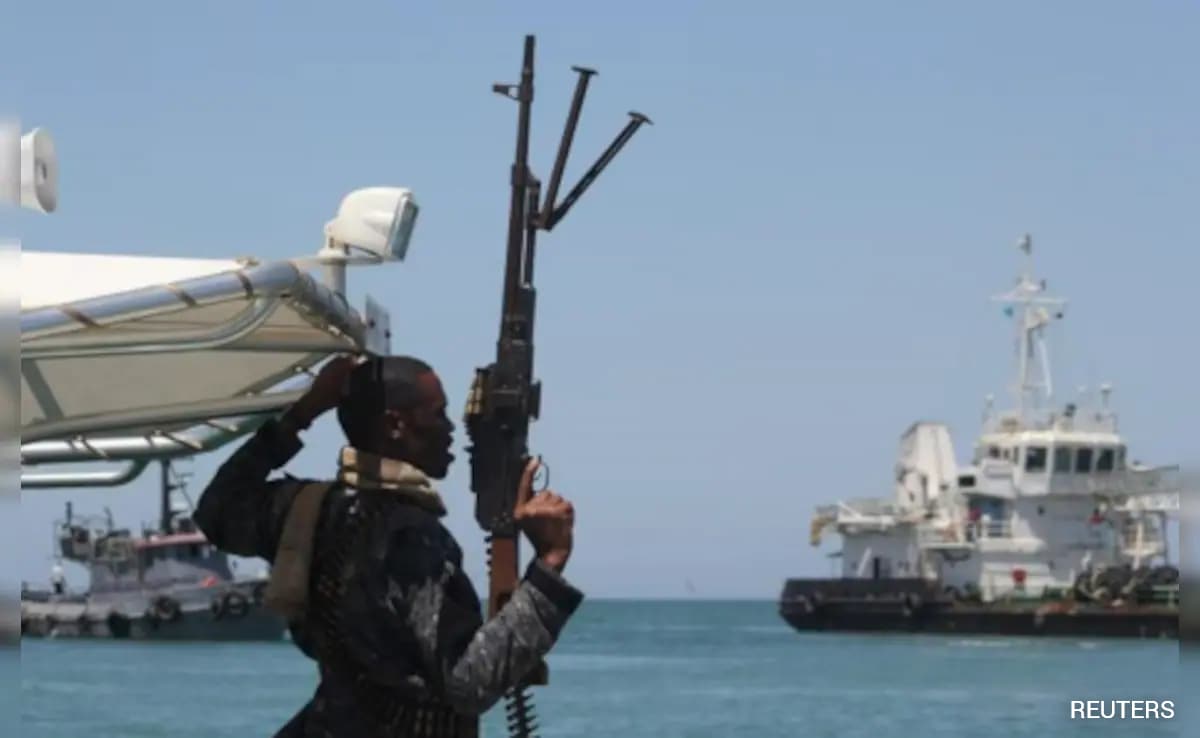
The ocean isn't as safe as we'd like to think. Just this week, the cargo ship Sward was seized by armed pirates only 6 nautical miles off the coast of Garacad, Somalia. If you thought the era of high-seas hijacking was a relic of the 2010s, you're dead wrong. This latest hit on a St. Kitts and Nevis-flagged vessel, carrying a crew of 15, is a loud, violent wake-up call that the Horn of Africa is becoming a "no-go" zone once more.
The UK Maritime Trade Operations (UKMTO) and security firms like Ambrey have been sounding the alarm for months. This isn't an isolated incident. It’s part of a calculated resurgence. While the world was busy looking at Red Sea missile strikes, Somali pirate networks were quietly rebuilding their infrastructure, fueled by a perfect storm of local instability and global distraction.
The Sward Hijacking is a Symptom of a Growing Crisis
The specifics of the Sward attack are chilling in their efficiency. According to reports from Vanguard and the UKMTO, the ship was en route from Suez, Egypt, to Mombasa, Kenya, when unauthorized persons took control. They didn't just board the ship; they steered it directly into Somali territorial waters.
Currently, 13 Syrians and two Indian nationals are being held on the bridge. This follows the hijacking of the oil tanker Honour 25 just days prior, which was carrying 18,500 barrels of oil. When you see back-to-back hits like this, it’s not amateur hour. It’s an organized industry coming back online.
Why the Resurgence is Happening Now
You can't talk about piracy without talking about the power vacuum in Somalia. The relationship between the Federal Government in Mogadishu and the semi-autonomous region of Puntland has basically collapsed. In March 2024, Puntland effectively withdrew from the federation over constitutional disputes.
When the local police and the federal authorities stop talking, the pirates start moving.
- Geopolitical Distraction: International navies that used to patrol these waters, like NATO’s Operation Ocean Shield, scaled back years ago.
- The Red Sea Effect: Houthi attacks in the Red Sea have forced ships to take longer routes or navigate closer to the Somali coast to avoid missile zones, putting them right in the crosshairs of pirate skiffs.
- Illegal Fishing: Local Somali fishermen still complain about foreign trawlers stealing their livelihoods. This "coast guard" narrative—even if it’s just a front for ransom money—gives pirate groups a weird kind of local legitimacy.
The Ransom Industry and Global Shipping Costs
Piracy isn't just a security headache; it's a massive tax on everything you buy. When a ship like the Sward is taken, insurance premiums for every other vessel in the Indian Ocean skyrocket. We’re talking about "War Risk" surcharges that add millions to the cost of global trade.
Security firms are now advising all vessels to maintain a "substantial" threat level. This means more money spent on private armed guards, more fuel used for high-speed transits, and more delays. If you’re wondering why your imported goods are getting more expensive in 2026, look no further than the waters off Garacad.
What Modern Piracy Looks Like
Forget the Hollywood tropes. Modern Somali pirates are tech-savvy. They use drones for surveillance and GPS to track "vessels of interest." They aren't just looking for cargo; they're looking for human leverage. The goal is a long, drawn-out negotiation for millions in ransom.
The Puntland Maritime Police Force has been notified, but don't hold your breath for a daring rescue. These situations usually end in months of agonizing negotiations while the crew sits in limbo.
How to Navigate the New Danger Zone
If you're in the maritime industry or managing supply chains that pass through the Horn of Africa, you can't rely on the status quo anymore. The "lull" in piracy is officially over.
- Rethink the Route: Ships are being advised to stay as far away from the coastline as possible, despite the fuel costs. Six nautical miles—where the Sward was hit—is practically the front yard for these attackers.
- Invest in Hardened Security: This means more than just a few cameras. We're talking about non-lethal deterrents, secure "citadels" for the crew, and 24/7 armed protection.
- Monitor UKMTO Alerts Relentlessly: In a world where a ship can be seized in minutes, real-time data is the only thing that keeps you a step ahead of a skiff.
The hijacking of the Sward is a grim reminder that the ocean is still the Wild West. If the international community doesn't refocus on the Somali coast, we're going to see a repeat of the 2008-2012 crisis, and frankly, the global economy can't afford that right now. Stay alert, because the pirates certainly are.
Keep your eyes on the UKMTO daily briefings and ensure your vessel's security protocols are updated for 2026 realities. The old playbooks are useless now. Ship owners must prioritize crew safety and hardening vessels before they enter the high-risk area. There is no room for complacency when the ransom industry is this hungry.