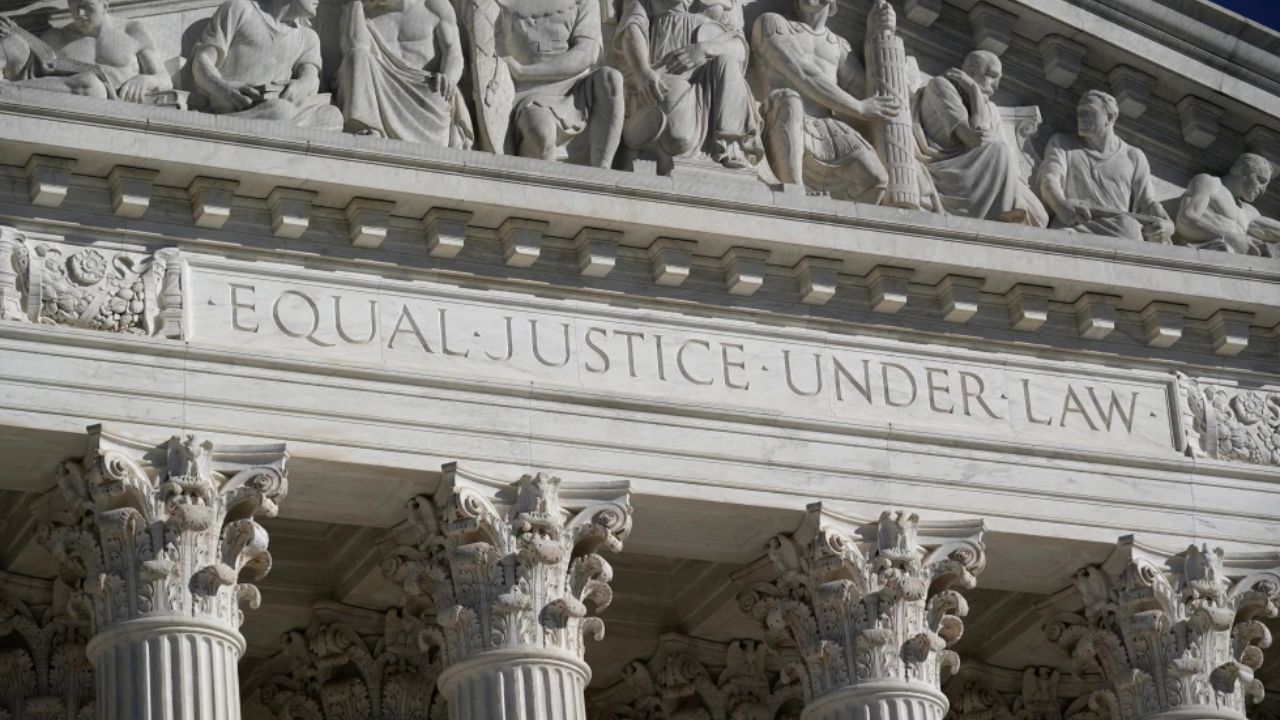
You’d think a Supreme Court victory against sweeping import taxes would be the ultimate lifeline for a struggling small business. On February 20, 2026, the high court handed down a 6-3 decision in Learning Resources, Inc. v. Trump, striking down the administration's use of the International Emergency Economic Powers Act (IEEPA) to bypass Congress and slap broad "reciprocal" tariffs on global imports. For a moment, it looked like the fever was finally breaking.
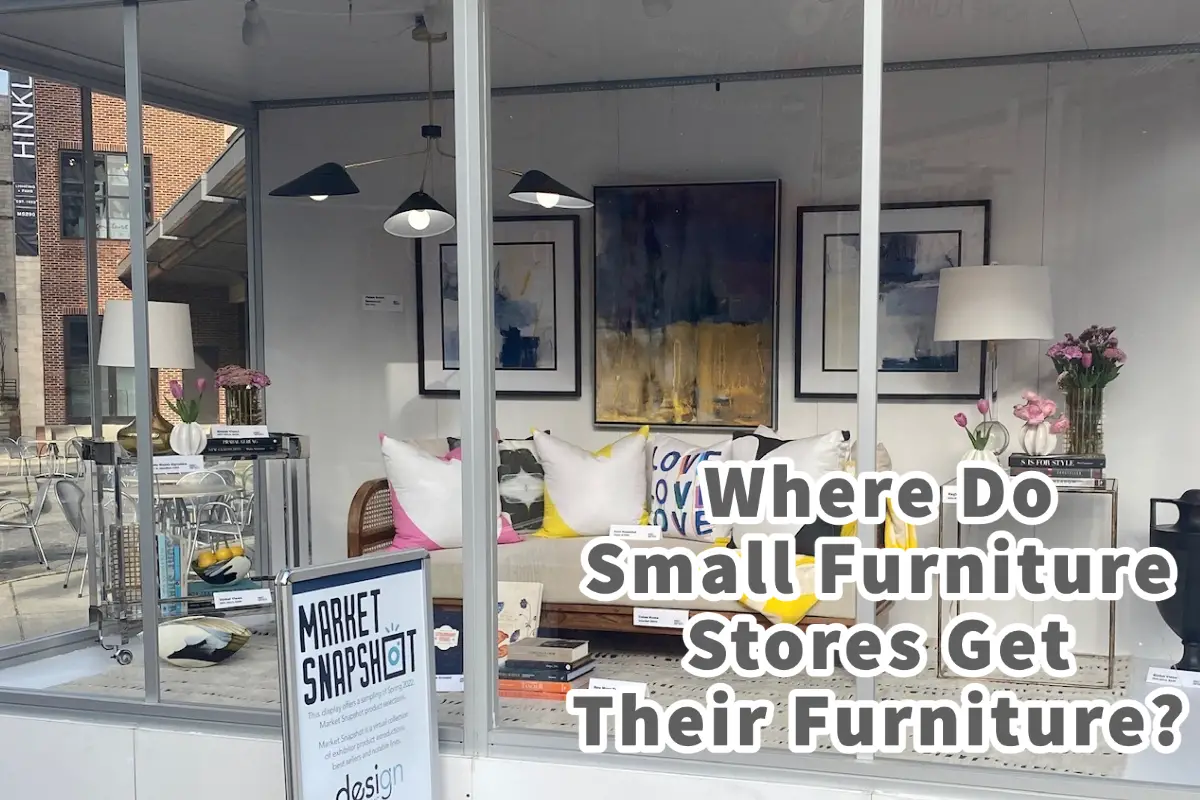
But if you own a local sofa shop or a boutique interior design firm, you aren't popping champagne yet. Honestly, you're probably still staring at invoices that threaten to put you out of business.
The hard truth is that while the "Global Reciprocal Tariffs" were ruled illegal, a massive web of industry-specific duties remains perfectly intact. Small furniture retailers are currently caught in a pincer movement. On one side, they face specialized Section 301 and Section 232 tariffs that weren't even part of the court case. On the other, they’re dealing with a "150-day" 10% global tariff the administration immediately pushed through under Section 122 of the Trade Act of 1974.
The Tariff Loophole That’s Killing Main Street
The Supreme Court didn't say tariffs are illegal; it said the President can't use an "emergency" loophole to tax every single thing coming into the country forever without congressional approval. The ruling specifically targeted the IEEPA-based levies that hit nearly 90 countries.
However, the furniture industry is haunted by older, more targeted ghosts. Most of the heavy lifting for furniture protectionism happens under Section 301 (targeting "unfair" trade practices, mostly in China) and Section 232 (national security). These remain fully operational.
What’s still on the books
- Upholstered Furniture: A 25% duty on sofas and chairs from major manufacturing hubs like Vietnam and Indonesia remains a standard cost of doing business.
- Kitchen and Bath: Cabinets and vanities are still carrying a 25% tariff, with some specific items previously threatened with a jump to 50%.
- The Section 122 Pivot: Almost as soon as the SCOTUS ruling dropped, the administration invoked Section 122, which allows a 150-day "emergency" tariff of up to 15% to address balance-of-payment deficits. This effectively keeps a 10% tax on the very goods the court just "freed."
Why Big Box Stores Win While You Lose
There's a massive gap between how a giant like RH (formerly Restoration Hardware) handles these costs and how a mom-and-pop shop in Ohio does it. It's not just about having more money; it's about the ability to move the entire supply chain.
Large retailers have the scale to "frontload"—buying a year's worth of inventory before a new tariff deadline kicks in. They also have the leverage to force manufacturers in Vietnam or Malaysia to eat a portion of the tax. If a factory won't budge, the big guys just move their contracts to Mexico or India.
Small retailers don't have that kind of muscle. If you're a small business, you're likely buying from a wholesaler or a domestic distributor who has already marked up the price to cover the tariff. You have zero negotiating power with the factory. You're essentially paying the tax plus the distributor's margin on that tax.
The Death of the "Discretionary" Purchase
Furniture isn't food or gas. You don't need a new $3,000 sectional to survive. It's a discretionary purchase, and that makes the industry incredibly sensitive to price hikes.
When a 25% tariff gets baked into the retail price, that $3,000 sofa becomes a $3,750 sofa. For a middle-class family, that’s often the "forget it" point. Data from late 2025 showed that furniture prices were already up nearly 10% year-over-year, leading to a 27% sales decline for legacy brands like American Signature Furniture, which recently filed for bankruptcy.
Small shops are caught in a "no-win" cycle. If they pass the full cost to the customer, sales crater. If they absorb the cost, their margins—already thin due to rising rent and labor costs—evaporate.
The Refund Mirage
There's a lot of talk about "billions in refunds" following the Supreme Court's ruling. While it’s true that the government may eventually have to pay back the IEEPA duties collected over the last year, don't expect a check in your mailbox anytime soon.
The process of clawing back customs duties is a legal nightmare. It involves filing protests with U.S. Customs and Border Protection (CBP) and, in many cases, joining class-action lawsuits that can take years to settle. For a small business facing a cash-flow crisis today, the promise of a refund in 2028 is basically worthless.
How to Survive the Trade War Volatility
The Supreme Court ruling provided a temporary morale boost, but the underlying "unpredictability" that Home Furnishings Association CEO Peter Theran talks about is the real killer. You can't plan a business when the tax rate changes every 150 days.
If you’re running a small furniture operation, waiting for "free trade" to return is a losing strategy. You need to pivot your sourcing and your sales model immediately.
Diversify away from the "Target List"
Stop relying on the same four factories in China or Vietnam that are perennially on the Section 301 hit list. Look toward countries with stable free trade agreements (FTAs). While some "reciprocal" tariffs hit FTA partners temporarily, they are the first to be rolled back.
Focus on High-Margin Customization
You can't compete with IKEA or Wayfair on price, especially when they can absorb tariff shocks better than you. Focus on the one thing they can't do: high-touch, custom, or locally finished goods. If you’re importing "white wood" frames and finishing them locally, you may be able to dodge the heaviest "finished good" duties.
Audit your HTS Codes
Many small importers are accidentally paying higher tariffs because they're using the wrong Harmonized Tariff Schedule (HTS) codes. A sofa is taxed differently than a "convertible daybed" or "parts of furniture." Hiring a trade consultant for a one-time audit of your shipping manifests can save you thousands in overpaid duties.
The Supreme Court gave the industry a legal victory, but the executive branch still has plenty of tools to keep the pressure on. For the small retailer, the "existential threat" hasn't vanished—it's just changed its legal justification.
Immediate Next Steps for Retailers:
- Check your recent import records against the specific HTS codes targeted by the struck-down IEEPA tariffs to see if you're eligible for a refund claim.
- Contact your primary suppliers to see if they've shifted production to "non-targeted" countries like India or Brazil.
- Review your pricing model for the new 150-day Section 122 window to ensure you aren't selling at a loss.