Tyre isn't just another coordinate on a military map. When the Israeli Air Force began pounding this 4,700-year-old coastal city in late October 2024, it wasn't just hitting a "Hezbollah stronghold." It was shaking the foundations of a UNESCO World Heritage site that has survived Alexander the Great, the Romans, and the Crusaders.
You've seen the headlines about evacuation warnings. The IDF's Arabic-language spokesperson posts a map on X, a red box appears over ancient neighborhoods, and suddenly, thousands of people have a few hours to decide what’s worth saving. But the reality on the ground is way messier than a digital infographic. By the time the bombs actually started falling on Sawt al-Farah Street, Tyre had already become a ghost town. Out of a population of 50,000, only about 14,500 people were left to hear the sirens.
The Myth of the Surgical Strike
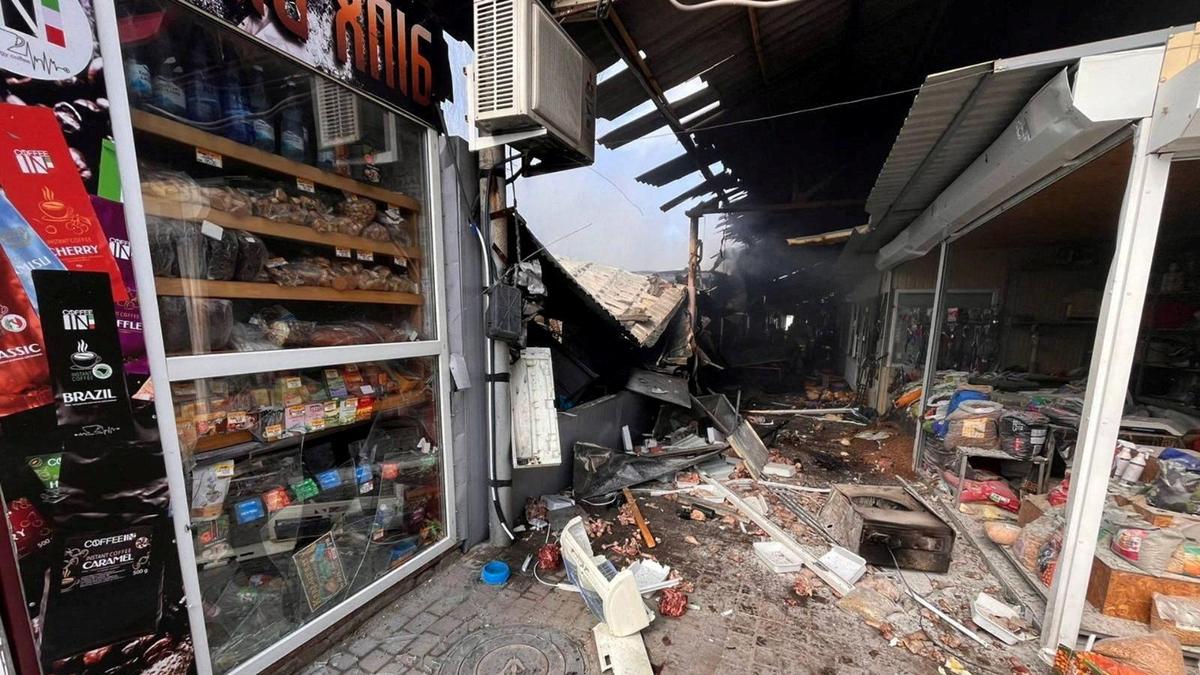
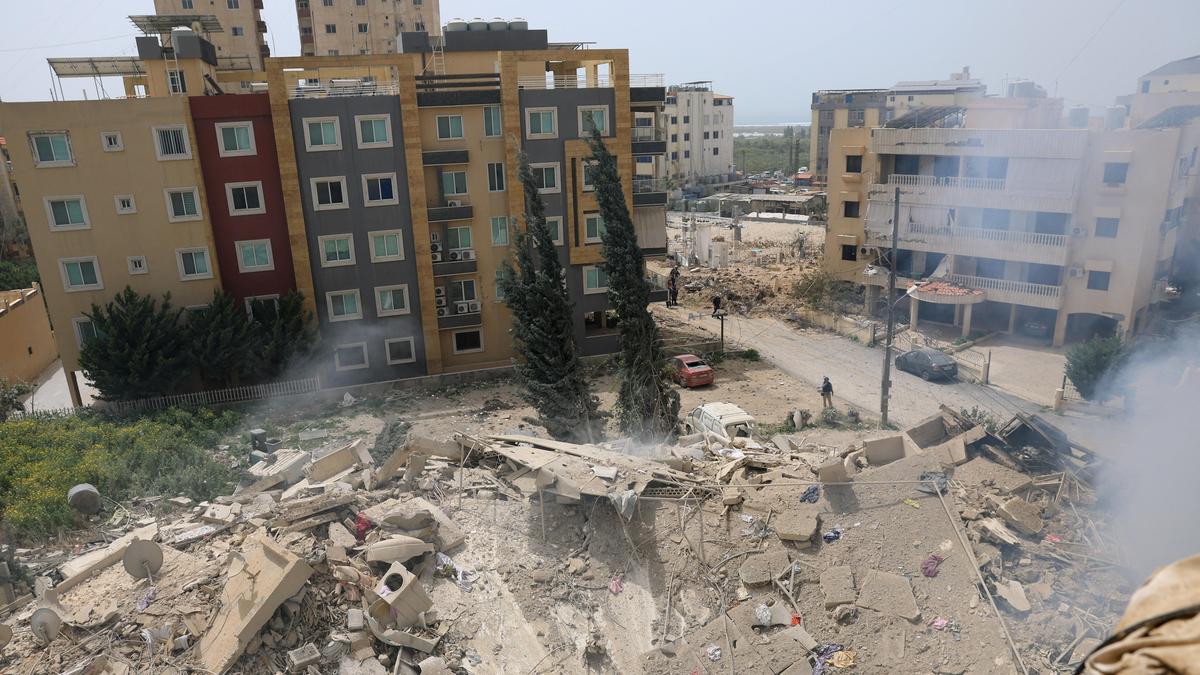
Let’s be real. There’s no such thing as a "surgical strike" when you’re dropping munitions 500 meters from Roman ruins. On October 23, 2024, the earth-shaking explosions didn't just target "command and control complexes." They leveled seven buildings and gutted over 400 apartments. One strike landed less than 50 meters from the city's ancient ruins.
UNESCO was panicking, and for good reason. You can’t "precision bomb" a city this old without risking the destruction of Phoenician and Crusader history that belongs to the whole world. While the IDF claims these areas are being used by Hezbollah for military operations, the cultural cost is permanent. Once a 3,000-year-old necropolis is cracked by a shockwave, you don't just patch it up with some mortar.
The Human Exodus to Sidon
If you were in Tyre that morning, you didn't have time to ponder archaeology. You were throwing mattresses and suitcases onto the roof of a beat-up sedan and flooring it toward Sidon. The Lebanese Civil Defense was literally driving through the streets with megaphones, screaming at people to get out.
The "safe zone" was north of the Awali River. But for the elderly and the disabled who couldn't move, "safe" was a relative term. Rescuers from the Risala Scouts were basically playing a high-stakes game of Tetris, trying to fit immobile civilians into ambulances while the first plumes of black smoke were already rising over the skyline. Honestly, it’s a miracle the initial casualty count wasn't higher, though "only" 16 wounded in a city center strike feels like a statistic designed to mask the total erasure of a neighborhood.
What the Headlines Missed About the Ceasefire
Fast forward to where we are now. People talk about the November 2024 ceasefire like it was a hard stop. It wasn't. Even after the paperwork was signed, the "buffer zone" mentality has turned southern Lebanon into a volatile waiting room.
The strategy hasn't changed. Israel wants a security zone up to the Litani River, and Tyre sits right in the crosshairs of that ambition. We’re seeing a pattern where evacuation orders are used as a legal shield to justify the systematic demolition of border towns. It’s not just about hitting a specific building anymore; it’s about making the entire region uninhabitable for anyone who might support the opposition.
Why You Should Care
If you think this is just a local skirmish, you’re missing the bigger picture. The destruction of Tyre represents a failure of international law to protect "enhanced protection" sites. We’re watching 2026 unfold with the same playbook from 2024, where heritage is "collateral damage" and displacement is a permanent policy.
Don't just watch the smoke on the news. Understand that every strike on a city like Tyre is a strike on the history of navigation, trade, and the very alphabet we’re using right now. The Mediterranean isn't getting safer, and the "ghost town" status of the south is exactly what the strategists planned for.
If you’re following the situation, stop looking at the red boxes on the IDF maps and start looking at the maps of the archaeological sites they overlap. Keep an eye on the UNESCO monitoring reports—they’re the only ones actually counting what’s being lost forever.