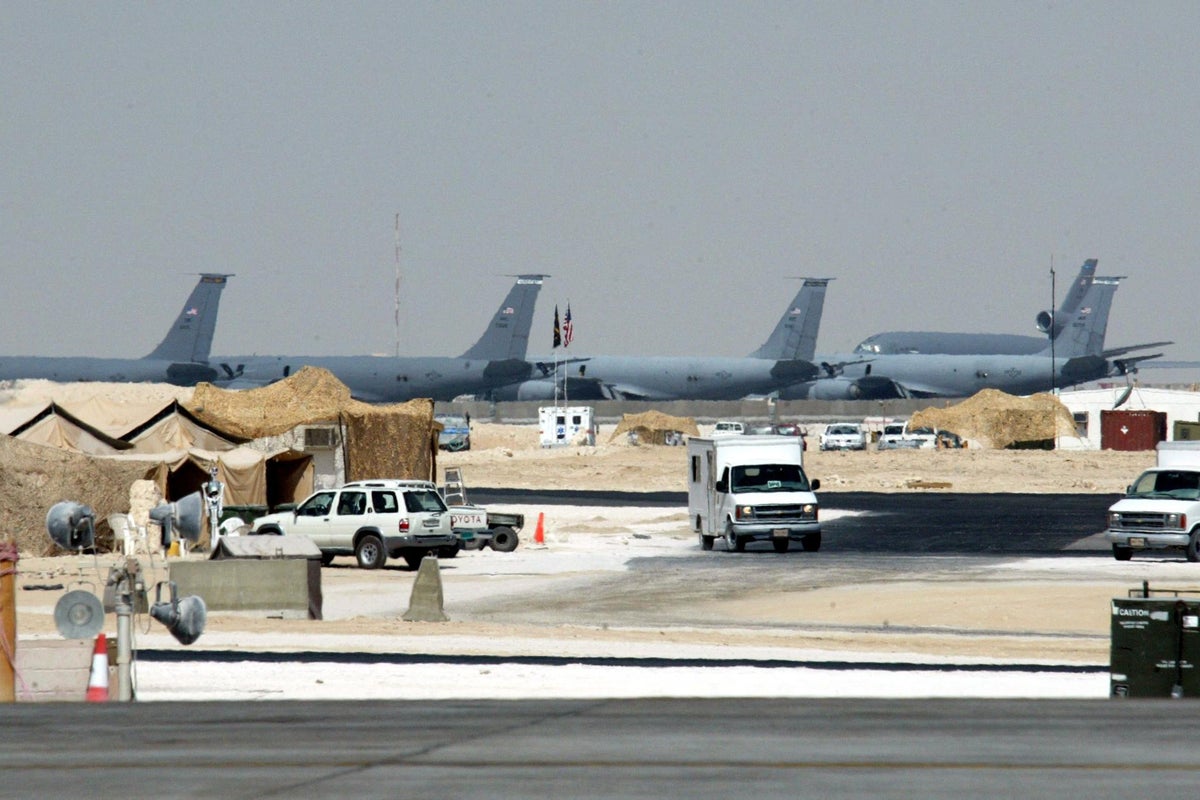
The dawn sky over Bahrain had barely begun to turn grey when the first of twenty Iranian drones cleared the horizon. By 5:00 AM on March 3, 2026, the Sheikh Isa Air Base was no longer just a hub for American air power in the Persian Gulf; it had become the focal point of a regional conflagration that many saw coming but few dared to stop. This was not the symbolic, telegraphed retaliation of 2020. This was a high-velocity attempt to dismantle the logistics of American intervention in the Middle East.
Reports from the ground, later confirmed by the Islamic Revolutionary Guard Corps (IRGC), indicate that a "massive" salvo of suicide drones and three ballistic missiles successfully penetrated the base's perimeter. While the Pentagon remains tight-lipped about the full extent of the carnage, Iranian state media claims the main command center was destroyed and fuel storage tanks were set ablaze. For the first time in decades, the friction between Tehran and Washington has moved past the realm of proxy skirmishes and into a direct, high-stakes kinetic war.
The Decapitation Doctrine
The current crisis did not emerge from a vacuum. It is the direct consequence of "Operation Epic Fury," a joint US-Israeli offensive launched on February 28. This was not a limited strike aimed at nuclear facilities. It was a decapitation maneuver. Within the first hours of the operation, precision munitions struck a high-level meeting in Tehran, killing Supreme Leader Ali Khamenei, the Iranian Defense Minister, and the head of the IRGC.
The strategy was clear: remove the brain of the regime and the body would wither. But the body did not wither. Instead, the remnants of the Iranian military apparatus triggered a "pre-approved" retaliation protocol. This is why we are seeing simultaneous strikes across Bahrain, Jordan, Kuwait, and Qatar. The IRGC is no longer waiting for orders from a centralized command that may no longer exist; they are operating on standing instructions to inflict maximum cost on any nation hosting American assets.
Beirut Under Fire
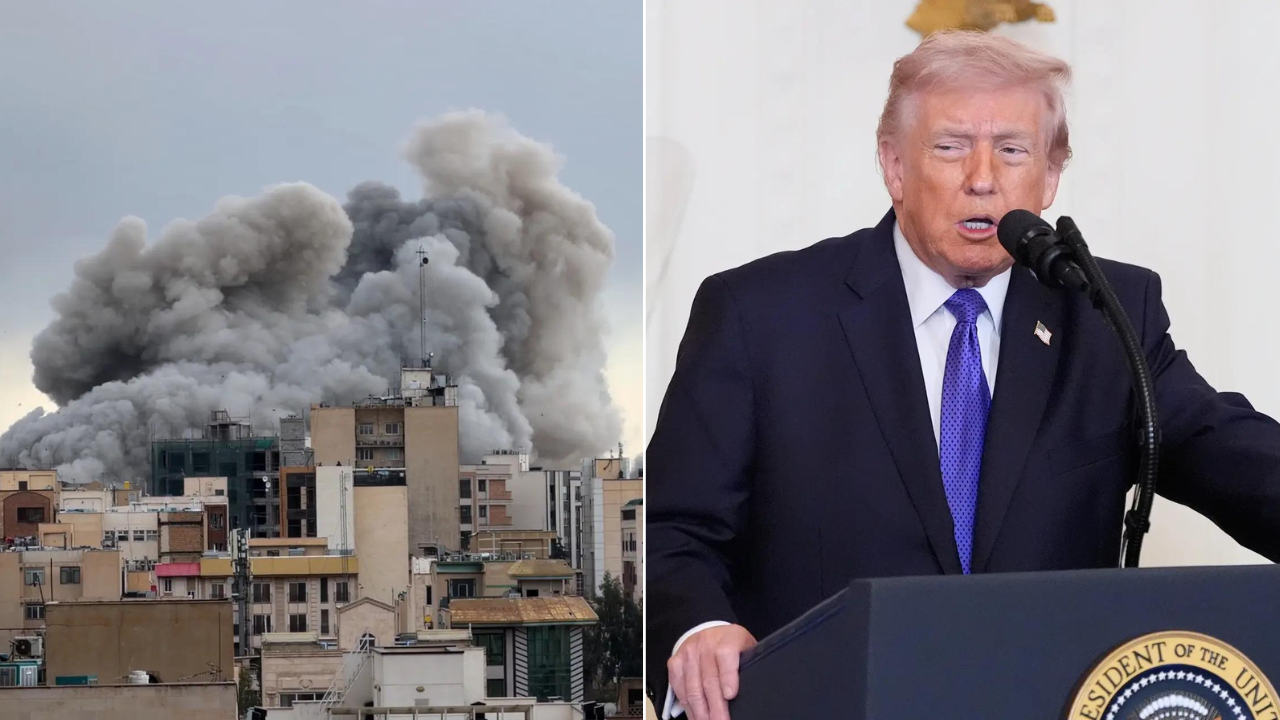
As Bahrain burned, the Mediterranean coast was illuminated by a different kind of fire. Israeli jets have turned their full attention to Lebanon, launching what the IDF describes as "simultaneous strikes" on Beirut and Tehran. The target in Lebanon is Hezbollah’s intelligence infrastructure, but the reality on the ground is far messier.
By Tuesday afternoon, the Lebanese Health Ministry reported at least 52 deaths and over 150 injuries. The southern suburbs of Beirut, specifically the Haret Hreik district, have been reduced to rubble in several sectors. Israel’s logic is cold: if Iran is to be dismantled, its "forward defense" in Lebanon must be liquidated. However, this liquidation comes at the cost of Lebanese sovereignty. Prime Minister Nawaf Salam has attempted to distance the state from Hezbollah’s actions, even declaring a formal ban on the group’s military activities, but the decree carries little weight when the missiles are already in the air.
The Logistics of Exhaustion
What makes the strike on the Sheikh Isa Air Base particularly significant is the shift in Iranian tactics. In previous years, Iran relied on the sheer volume of low-cost Shahed drones to overwhelm air defenses. Today, they are employing "complex salvoes" that mimic the attrition warfare seen in Ukraine. By mixing decoys with high-speed ballistic missiles, they are forcing American Patriot and Aegis systems to expend limited interceptors on cheap targets.
The US Navy’s Fifth Fleet, headquartered in Manama, is now operating in a "contested environment" that was once considered a safe rear area. If the IRGC can continue to hit fuel depots and command nodes, the ability of the US to sustain sorties over Iran will diminish. President Trump has signaled that "harder hits" are coming, but the question is whether the US has the stockpiles of high-end munitions required for a prolonged campaign.
A Region in Freefall
The geopolitical fallout is spreading faster than the kinetic strikes.
- Airspace Closure: International flights are grounded. From the West Indies cricket team stranded in India to Olympic athletes stuck in Dubai, the commercial arteries of the world have been severed.
- Sanctions Snapback: The failure of nuclear talks in February 2026 triggered "snapback" sanctions from European powers, effectively ending any hope of a diplomatic off-ramp.
- Cyber Warfare: The "Electronic Operations Room" established by Iran has begun targeting Israeli payment systems and Jordanian fuel infrastructure, proving that the front line is now digital as much as it is physical.
The killing of Khamenei was supposed to be the end of the "Iran Problem." Instead, it appears to have been the opening salvo of a war that has no clear geographic boundaries. With the Strait of Hormuz effectively closed and American embassies across the region under "ordered departure" mandates, the era of managed tension has ended. We have entered the era of the Great Middle Eastern Reset, and the price of entry is being paid in fire at places like Sheikh Isa.
The reality is that the US and Israel have bet everything on the collapse of the Iranian regime. If the IRGC continues to function as a decentralized insurgent force with ballistic capabilities, the "victory" of the opening weekend will quickly turn into a logistical nightmare that could drag on for years.
Watch the casualty lists from Kuwait and Bahrain. They are the truest indicator of whether the IRGC’s "strategic patience" has truly been replaced by a doctrine of total regional disruption.