Scotland is paralyzed by a Victorian ghost story.
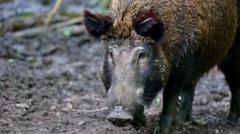
The current narrative surrounding "feral pigs"—a term carefully chosen by bureaucrats to trigger images of filth and chaos—is a masterclass in ecological hysteria. A recent report suggests we need a "new approach" to deal with the rising population of Sus scrofa in the Highlands and Dumfries and Galloway. But the proposed solutions are just the same old tired tropes: more culling, more fences, and more hand-wringing about "invasive species."
The "lazy consensus" is that these animals are an alien threat to be eradicated. That is a lie based on a 400-year-old technicality.
Wild boar are not invasive. They are a missing component of the Scottish ecosystem that we are too cowardly to reintegrate. We don't have a pig problem; we have a management vacuum.
The Myth of the Invasive Invader
The primary argument for the mass slaughter of wild boar is that they "don't belong here." This is scientifically illiterate. Wild boar were indigenous to the British Isles for millennia. They were hunted to extinction by humans around the 17th century. To label their return as an "invasion" is like calling a homeowner a burglar because they climbed back through a window after being locked out for a few hours.
Opponents point to the damage they cause to bluebell woods and agricultural land. They cite "rooting" as if it’s an act of environmental terrorism.
Let’s look at the actual mechanics of a forest. In a healthy, unmanaged woodland, the soil becomes compacted. Leaf litter builds up, preventing seeds from reaching the mineral earth. The wild boar is nature’s rotavator. Their rooting behavior disturbs the soil, allows dormant seeds to germinate, and creates a mosaic of habitats for insects and small mammals.
When a bureaucrat sees a "disturbed" patch of ground, a biologist sees a niche being opened. The obsession with "pristine" landscapes is a fixation on a static, dead version of nature. Ecosystems are supposed to be messy. They are supposed to be dynamic.
The Culling Fallacy
The "new approach" everyone is whispering about is just a more efficient way to kill. Scotland’s current strategy is a haphazard mix of opportunistic shooting and occasional targeted culls. It doesn't work.
In fact, heavy-handed culling often makes the problem worse. This is known as the rebound effect. When you kill a dominant sow, you disrupt the social structure of the sounder (the group). This leads to "compensatory reproduction." Without a dominant female to suppress the breeding cycles of younger subordinates, you end up with more sows breeding earlier and more often.
I’ve seen estates spend tens of thousands of pounds on marksmen, only to find their boar population has doubled two years later. You cannot shoot your way out of a biological imperative.
Instead of treating the boar as a pest to be deleted, we should be treating them as a high-value resource. In continental Europe—Germany, France, Italy—wild boar are a pillar of the rural economy. They are a premium food source, a draw for eco-tourism, and a managed game species that brings in significant revenue.
Scotland is currently throwing away millions in potential venison-style exports because we’re too busy treating the source material like trash.
The Fear of the Forest
There is a deep-seated, almost primal fear of large, wild animals in the UK. We have been "sanitized" for so long that the sight of a 100kg animal in the woods triggers an immediate demand for armed intervention.
"What about the dogs?" "What about the hikers?"
Imagine a scenario where we applied this same logic to cars. Cars kill thousands of people and pets every year. They are loud, dangerous, and pollute the environment. Do we ban them? No. We create a framework of rules, education, and infrastructure to manage the risk.
Wild boar are generally shy. Most "attacks" are the result of off-leash dogs harassing a sow with piglets. The solution isn't to exterminate the boar; it's to educate the public. But education is expensive and slow, while a box of ammunition is cheap and provides the illusion of "doing something."
Breaking the Rewilding Stigma
The real reason the Scottish Government is dragging its feet isn't ecological; it's political. Admitting that wild boar are a native species means admitting that "rewilding" is a legitimate path forward.
For decades, the Highland landscape has been managed for two things: sheep and red deer. Both are kept at unnaturally high densities for the sake of subsidies and traditional sporting estates. Both do significantly more damage to the Caledonian forest than wild boar ever could. Sheep graze everything to the nub, preventing any new trees from growing. Red deer, stripped of their natural predators (wolves), stand around in "living graveyards" of old timber where no sapling survives.
[Image comparing sheep-grazed land vs. land with wild boar disturbance]
The wild boar threatens this artificial status quo. It represents a shift toward a more complex, self-sustaining wildness that doesn't require constant human "gardening."
A Brutally Honest Economic Shift
If Scotland actually wanted a "new approach," it would look like this:
- Legal Reclassification: Reclassify wild boar as a native game species, not an invasive pest. This shifts the legal burden and opens up funding for long-term management rather than short-term eradication.
- State-Sponsored Wild Boar Charcuterie: Create a streamlined, mobile slaughter and processing infrastructure. Make it easier for farmers to sell boar meat than it is to kill and bury the animals. Turn the "pest" into a "product."
- Tolerated Zones: Stop trying to clear the whole country. Identify areas where boar provide the most ecological benefit (overgrown commercial plantations, for example) and manage them there.
- The "Wolf" Conversation: We need to stop pretending that we can manage boar without their natural checks. If you don't want to cull them forever, you need a predator. Until we talk about lynx or wolves, we are just playing a permanent game of whack-a-mole.
The current report is a coward’s compromise. It suggests "better coordination" between agencies. In government-speak, that means more meetings and more money spent on PowerPoints while the animals continue to do what they do best: survive and multiply.
We are at a crossroads. We can continue to be a nation that is terrified of its own shadow, clinging to a sterilized version of the countryside that hasn't existed for centuries. Or, we can embrace the return of a powerhouse of biodiversity.
Stop the cull. Start the harvest.
The boar aren't the problem. The people managing them are.
If you can't handle a pig in the woods, you don't deserve the woods.