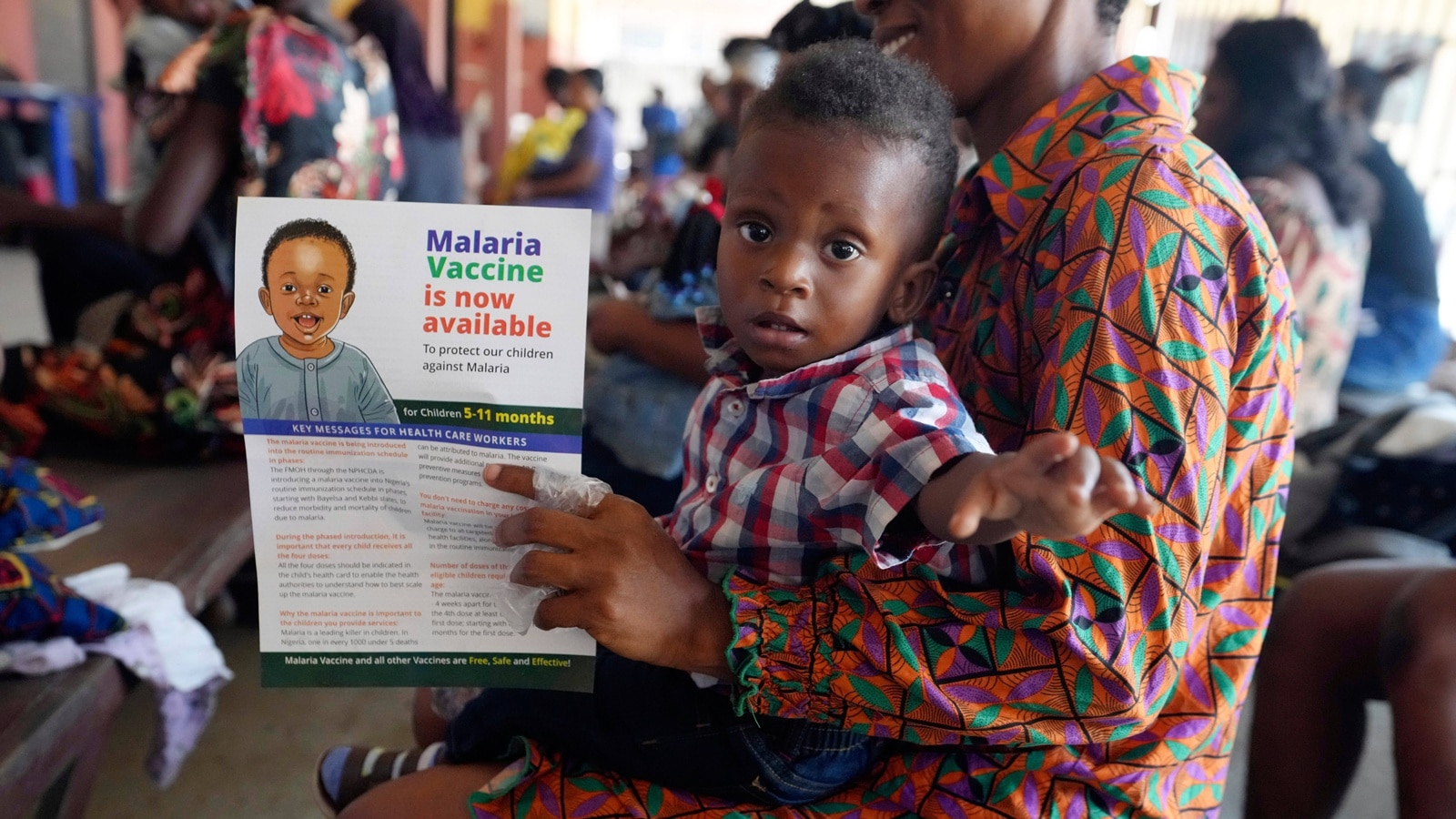
We finally have a way to protect the most vulnerable people on the planet from a killer that's been stalking them for centuries. For a long time, if you were a parent in a malaria-endemic region with a newborn, you were basically playing a terrifying game of Russian roulette. Standard treatments weren't designed for tiny bodies. They were bitter. They were hard to dose. Often, they just didn't work for infants under five kilograms. That changed when the first malaria drug specifically formulated for babies received the green light. It isn't just a win for science. It’s a massive shift in how we handle global health equity.
Malaria kills a child every minute. Let that sink in. Most of those deaths happen in sub-Saharan Africa, and the highest risk falls on infants who haven't built up any natural immunity. Until now, doctors often had to crush up adult tablets, mixing them with water or food to try and get a baby to swallow them. It was imprecise and honestly, pretty dangerous. You either under-dosed the kid, which fuels drug resistance, or you over-dosed them, which causes toxicity. We needed something better. We got it with Coartem
Why This Pediatric Formula Changes the Math
This isn't just a smaller pill. It's a fundamental redesign of how artemisinin-based combination therapy (ACT) reaches the bloodstream of a six-week-old infant. The Swiss pharmaceutical giant Novartis, working alongside the Medicines for Malaria Venture (MMV), spent years perfecting a version of artemether-lumefantrine that actually stays down.
If you've ever tried to give a sick baby a bitter medicine, you know it’s a nightmare. They spit it out. They vomit. With malaria, if the baby vomits the dose, the parasite keeps multiplying. This new version is sweet-tasting and dissolves rapidly in a small amount of water. It sounds simple. It’s actually revolutionary. It ensures the full dose gets into the system, which is the only way to stop the Plasmodium falciparum parasite before it causes organ failure or cerebral malaria.
Addressing the Five Kilogram Barrier
Most clinical trials for malaria drugs historically ignored infants weighing less than five kilograms. It was a "blind spot" in tropical medicine. Researchers were scared of the risks, and the market wasn't seen as "profitable" enough for some. But you can't ignore the data. Babies in this weight bracket are at the highest risk of dying within 24 hours of fever onset.
The approval of this drug specifically targets that gap. It covers infants from five kilograms down to even smaller neonates in some clinical settings. By providing a dedicated pediatric dose, we're removing the guesswork for overworked nurses in rural clinics. They don't have to be chemists anymore. They just need a spoon and a little clean water.
The Logistics of Saving Lives in Rural Areas
The real test isn't in a lab in Basel. It’s in a mud-walled clinic in South Sudan or a remote village in Nigeria. Getting these drugs to the "last mile" is where the hard work starts. We've seen great drugs fail because the supply chain broke or the cost was too high for local ministries of health.
Thankfully, the pricing models for this pediatric malaria treatment have been set up to keep it affordable. Through partnerships with the Global Fund and UNICEF, millions of doses are moving into the hands of community health workers. These workers are the backbone of the fight. They're the ones teaching mothers to recognize the first signs of a fever and ensuring the three-day course of treatment is finished even if the baby starts looking better after day one. Stopping early is a recipe for disaster. It lets the strongest parasites survive and come back harder.
What Most People Get Wrong About Malaria Progress
You’ll hear people talk about vaccines like RTS,S or R21 and think the problem is solved. I wish that were true. Vaccines are a huge tool, but they aren't a silver bullet. They reduce severe cases, but they don't stop every infection. We still need effective "rescue" medications for when the breakthrough infections happen.
Treatments and vaccines have to work in tandem. Think of the vaccine as the shield and this new pediatric drug as the sword. If the shield slips, you need the sword to be sharp. Having a drug that is safe for a six-week-old means we can finally provide a "full-stack" defense against the disease.
Real World Impact on Healthcare Systems
When a baby gets severe malaria, it doesn't just affect the child. It paralyzes the family and drains the local healthcare system. A child in a coma requires a hospital bed, oxygen, and intensive nursing care. In many parts of the world, those resources don't exist.
By treating the infection early with an easy-to-swallow dispersible tablet, we keep babies out of the hospital. We prevent the "severe" stage entirely. This saves money, sure, but it mostly saves parents from the trauma of watching their child fight for breath. The data from the World Health Organization (WHO) suggests that early intervention with ACTs can cut mortality rates by over 90%. That’s a staggering number when you apply it to the millions of cases reported every year.
Resistance is the Looming Shadow
We can't get too comfortable. In parts of Southeast Asia and now increasingly in East Africa, we're seeing signs of "partial resistance" to artemisinin. This is the nightmare scenario. If the parasites learn to beat our best drugs, we're back to square one.
This is why the pediatric formulation is so vital. Using the correct, full dose every single time is our best defense against resistance. When we were crushing adult pills, we were inadvertently creating a breeding ground for resistant strains by giving sub-optimal doses. This new drug helps us "hit them hard and hit them fast," leaving no survivors to pass on resistant genes.
Practical Steps for Global Health Advocates
If you're looking to help or want to know what actually works, look at the organizations focusing on "case management" and "integrated community case management" (iCCM). It isn't flashy, but it’s what saves lives.
Support groups like the Against Malaria Foundation for nets, but also look at MMV and the Clinton Health Access Initiative. These groups do the heavy lifting of fixing supply chains. They make sure the drug that was approved in a fancy office actually ends up in a rural dispensary.
The next time you see a headline about a "milestone" in malaria, check if it includes the youngest kids. If it doesn't, it isn't a full victory. This time, we actually got it right. We've finally stopped ignoring the smallest patients in the room. Now we just need to make sure every mother, no matter how remote her home, can get her hands on a pack of these tablets when the fever starts.