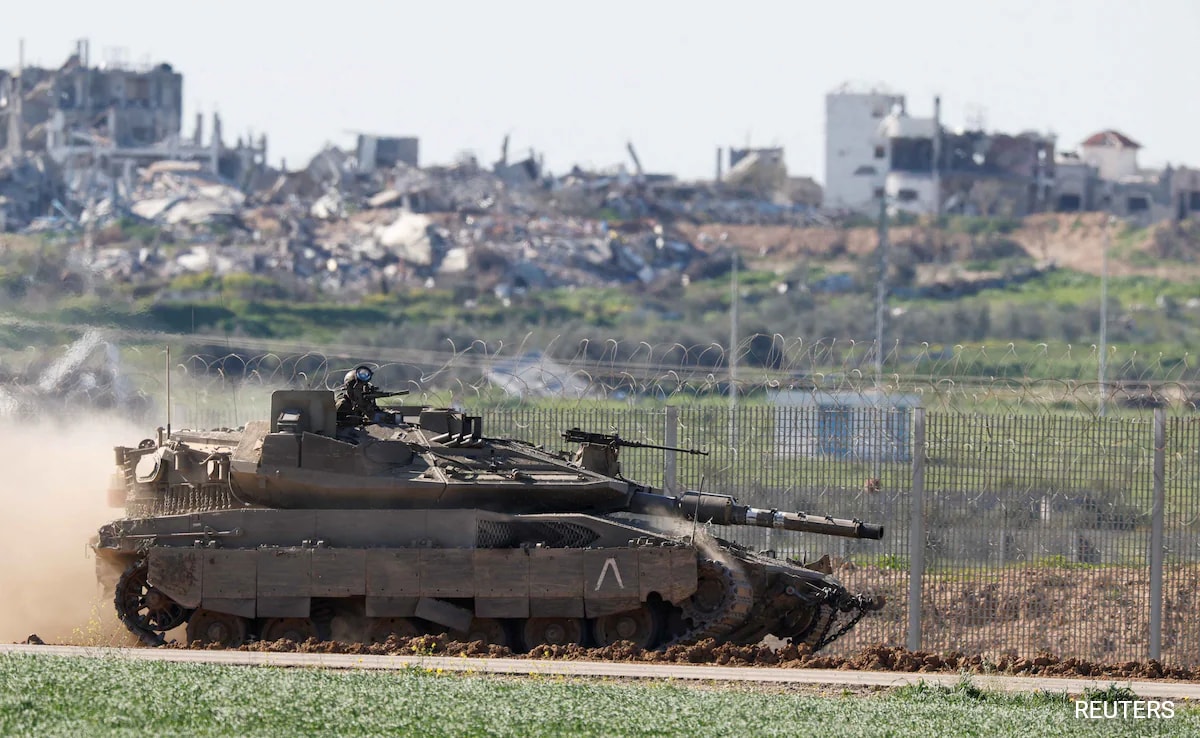
The smoke over Tehran hasn't even cleared, and the Kremlin is already scrambling to figure out its next move. Over the last 48 hours, the Middle East has effectively been set on fire. With the assassination of Iranian Supreme Leader Ayatollah Ali Khamenei and massive U.S.-Israeli strikes hitting over 2,000 targets across 24 provinces, the "strategic partnership" between Moscow and Tehran is facing its most brutal stress test yet.
Dmitry Peskov, the Kremlin's spokesperson, didn't mince words on Monday. He called the situation "outright aggression" and expressed "deep disappointment" that Oman-mediated talks between Washington and Tehran collapsed so violently. But if you look past the diplomatic outrage, there's a much more desperate reality for Vladimir Putin.
The Myth of the Russian Shield
For years, Iran has been Russia's most reliable backyard mechanic. When the West cut off Moscow's access to high-tech weaponry after the Ukraine invasion, Tehran stepped up with Shahed drones and ballistic missile components. In exchange, Moscow provided diplomatic cover at the UN and promised advanced military tech like Su-35 fighter jets.
But when the missiles started flying this past Saturday, February 28, that "strategic cover" looked pretty thin. Here’s what actually happened:
- The Assassination: The killing of Khamenei and several family members in a targeted strike is a massive intelligence failure for the Iranian-Russian axis.
- The Failed Signal: Russia claims it received "signals" from Israel that there was no interest in a direct military confrontation. Clearly, those signals were either misinterpreted or intentionally misleading.
- The Escalation: We're seeing retaliatory strikes hitting Dubai, Kuwait City, and Qatar. Russia is now watching its Gulf partners—countries it has spent years courting—get dragged into a "radiological and humanitarian catastrophe."
Why Putin Can't Just Walk Away
You might think Russia would be happy to see the U.S. distracted by another Middle Eastern quagmire. On paper, it draws "media oxygen" away from Ukraine. But it’s not that simple. Moscow is now terrified of a "regime change" scenario in Tehran.
If the current Iranian leadership collapses or is replaced by a Western-leaning provisional council, Russia loses its most critical military supplier. While Moscow has internalized some drone production, they still rely on Iranian logistics and regional pressure to keep the U.S. busy.
Peskov mentioned that Putin is in "constant contact" with the Iranian leadership, including President Masoud Pezeshkian and the temporary council member Alireza Arafi. But "contact" isn't the same as "control." Russia is currently a spectator in a war it helped facilitate through years of arms deals.
The Trump Factor and the Ukraine Link
The timing of these strikes—coming from the Trump administration—creates a bizarre diplomatic knot for the Kremlin. Putin has been praising Donald Trump’s efforts to mediate an end to the war in Ukraine. Just last week, Moscow was optimistic about negotiations involving Steve Witkoff and Jared Kushner.
Now, the same administration that Putin hopes will "fix" Ukraine is the one leveling his closest ally’s capital. It puts Russia in a position where it has to condemn the U.S. for the Tehran strikes while simultaneously keeping the door open for Ukraine talks. It's a high-wire act that’s becoming impossible to sustain.
What This Means for Global Stability
If the Strait of Hormuz actually closes—something the Russian Foreign Ministry is already warning about—we aren't just looking at a regional war. We're looking at a global energy heart attack. Russia knows that a complete collapse of the Iranian state would create a power vacuum that even they can't fill.
The Russian Embassy in Tehran says it's "operating normally," but that’s just PR. Behind the scenes, they’re likely burning files and preparing for the worst. The Kremlin’s "deep disappointment" isn't about the loss of life or the "civilized interstate relations" they keep quoting; it’s about the loss of leverage.
The Reality of the "New Normal"
Russia is no longer the primary power broker in the Middle East. They're a secondary player trying to maintain relevance through rhetoric. While they call for an "immediate return to diplomacy," the reality is that the U.S. and Israel have already changed the facts on the ground.
If you're watching this from the outside, don't expect a Russian military intervention. Moscow doesn't have the bandwidth. They’ll continue to talk, they’ll continue to condemn, and they’ll continue to host "constant contact" calls. But at the end of the day, Putin is watching his southern flank crumble, and his only real tool left is a telephone.
Keep a close eye on the UN Security Council meetings tonight. Russia and China will likely push for a resolution regarding "threats to international peace," but without a way to physically stop the strikes, it’s all just paper. The real story is whether the Iranian Revolutionary Guard (IRGC) listens to Trump's call to "merge with patriots" or if they double down on the regional fire.