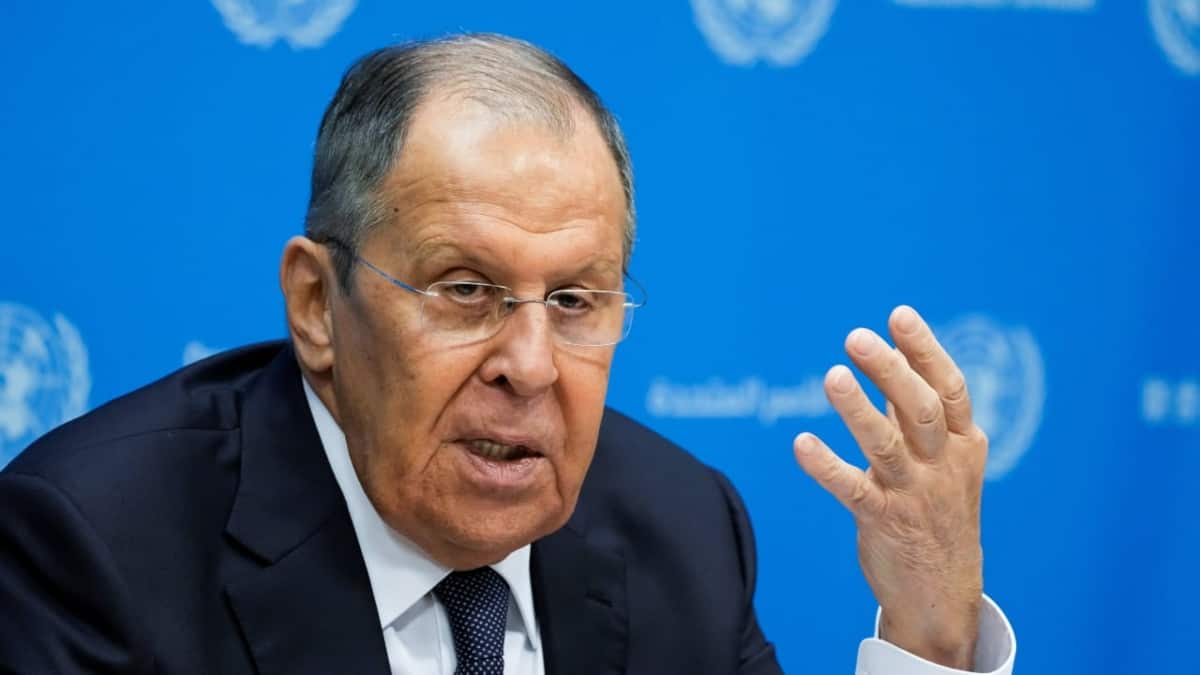
Russia’s Foreign Minister Sergey Lavrov just hopped on a call with his Iranian counterpart, Abbas Araghchi, and the timing couldn't be worse—or more predictable. While the world watches West Asia teeter on the edge of a total regional meltdown, Moscow and Tehran are doing what they do best: coordinating their story.
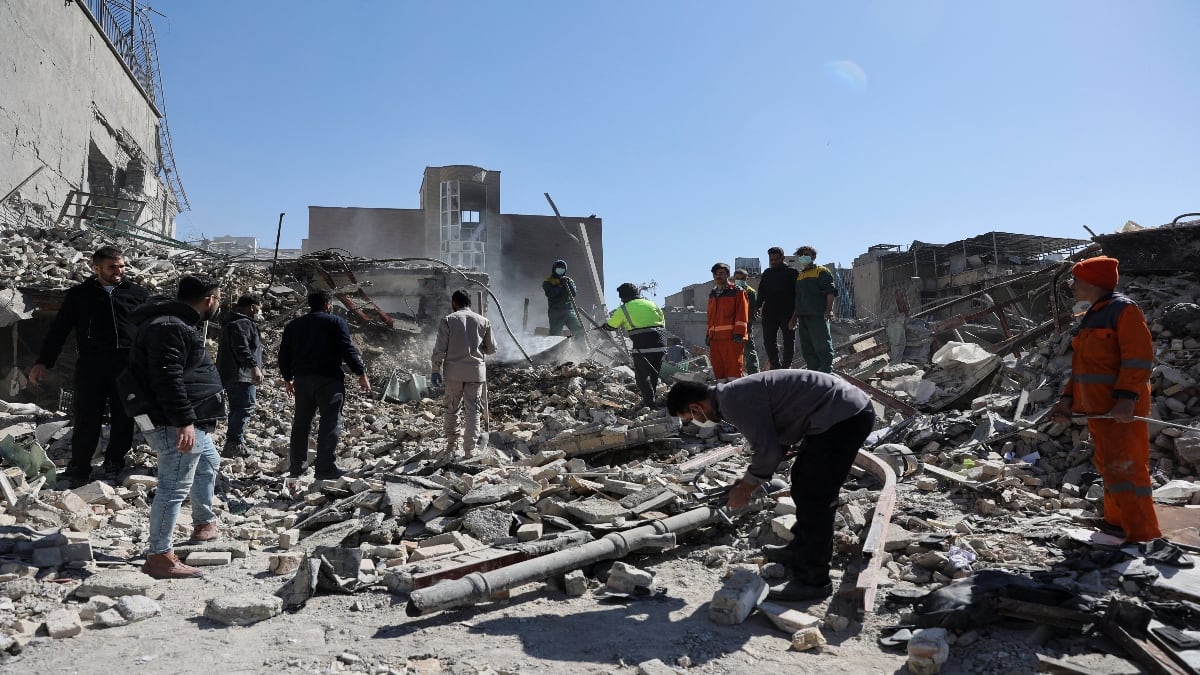
The headline here isn't just that two diplomats talked. It’s that they did so right after a massive wave of U.S. and Israeli strikes hit Iranian soil, reportedly taking out top leadership including Supreme Leader Ali Khamenei. If you think this was just a "check-in" call, you’re missing the bigger picture. Russia is watching its southern flank crumble, and Tehran is looking for any lifeline it can find.
The Kremlin reaction to the strikes on Iran
Lavrov didn't mince words. He called the attacks "unprovoked armed aggression" and a blatant violation of international law. It’s a familiar script. Russia loves to talk about "sovereignty" when it suits their interests, especially when it involves pushing back against U.S. influence in the Middle East.
During the call on Tuesday, March 3, 2026, Lavrov basically told Araghchi that Russia has Iran's back—diplomatically, at least. He warned that these strikes would trigger a "logical consequence": forces inside Iran pushing even harder for a nuclear bomb. The logic is simple. If you don't have a nuke, the U.S. feels comfortable attacking you. If you do, they think twice. By saying this out loud, Lavrov is essentially validating Iran’s nuclear ambitions as a survival tactic.
What was actually discussed
- The UN Security Council: Araghchi told Lavrov that Iran is pushing for an urgent meeting to address the "illegal use of force."
- Nuclear negotiations: They talked about how these strikes effectively killed the indirect talks in Geneva that were supposed to settle the nuclear issue.
- Regional fallout: Both sides expressed "serious concern" about the risk of a broader war involving third countries, which is code for "we don't want to get dragged into a direct fight with the U.S."
Why Russia won't actually fight for Tehran
Don't let the fiery rhetoric fool you. Moscow is in a tight spot. While they’ve signed a "Comprehensive Strategic Partnership" with Iran, it’s not a mutual defense treaty. There’s no clause that says Putin has to send troops or jets if Tehran gets bombed.
Honestly, Russia is already spread thin. Between the ongoing war in Ukraine—now in its fifth year—and maintaining their presence in Syria, the last thing the Kremlin wants is to get sucked into a high-intensity conflict with Israel and the United States. They’ll send S-400 components and Su-35 jets (which are reportedly being delivered now), but they aren't going to start World War III over a "partnership of convenience."
Russia’s play is "strategic hedging." They want to look like the stable, pro-international law alternative to the "aggressive" West, but they also don't want to lose their bargaining chips with Washington. If Trump is serious about ending the Ukraine war, Putin isn't going to ruin that chance by firing missiles at U.S. bases in the Gulf.
The Iranian perspective and the leadership vacuum
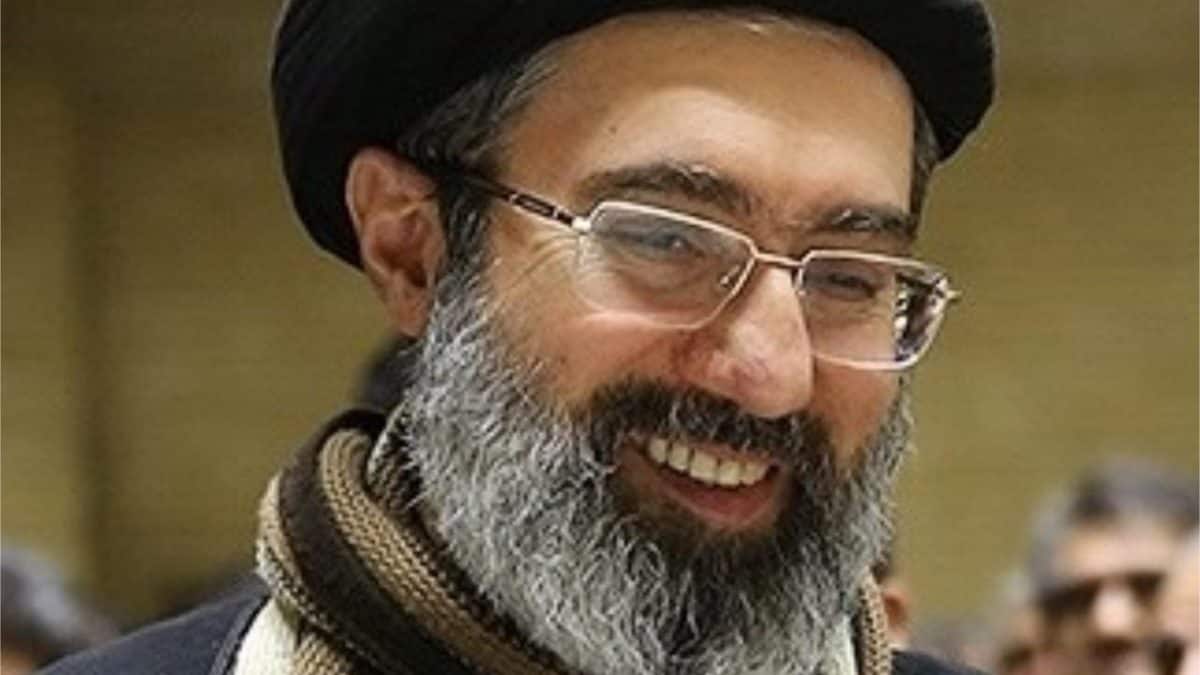
For Araghchi, this call was about survival. With reports that the Supreme Leader is gone, the Iranian regime is facing its biggest internal crisis since 1979. They need Russia to stay vocal at the UN and keep those military supply lines open.
Iran has been a key supplier of drones and tech for Russia’s war in Ukraine. Tehran feels like it’s "owed" something. But as many analysts have pointed out, Russia has already localized much of that drone production. They don't need Iran as much as they did two years ago. This shifts the power dynamic. Moscow is now the one holding the cards, and Lavrov’s call was as much about keeping Iran in line as it was about offering support.
Real-world impact on the ground
If you're wondering how this affects you, look at the gas pump and the flight board.
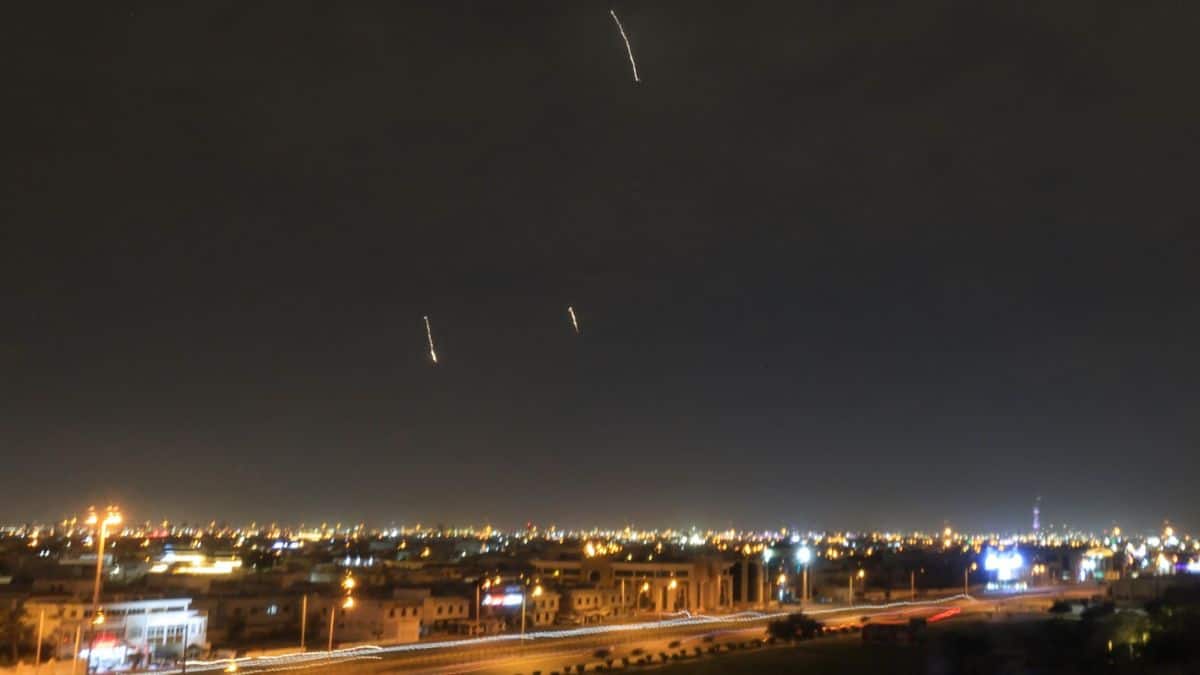
- Airspace closures: Most of the Gulf's airspace is a mess right now. Major hubs like Dubai and Abu Dhabi are seeing massive delays because nobody wants to fly over a missile corridor.
- Oil markets: While markets were closed for the weekend during the initial strikes, the uncertainty is driving prices up. Any disruption to the Strait of Hormuz is going to hit everyone's wallet.
- Nuclear proliferation: This is the big one. If the "moderate" voices in Tehran are silenced by these attacks, the hardliners will fast-track a weapon. That starts a nuclear arms race with Saudi Arabia and the UAE almost immediately.
The limits of the Russia-Iran axis
People often talk about Russia and Iran like they're best friends. They’re not. It’s transactional. Russia wants a corridor to the Indian Ocean (the INSTC), and Iran wants someone to veto U.S. resolutions at the UN.
The 2025 treaty they signed was basically a "bureaucratic summary" of things they were already doing. It didn't change the fact that Russia still has a 1.5-million-strong expatriate community in Israel. Putin has spent decades building a working relationship with the Israeli leadership. He isn't going to throw that away unless he absolutely has to.
What to watch next
The situation is moving fast. Watch for the UN Security Council meeting that Araghchi mentioned. If Russia and China use their veto power to block any condemnation of Iran’s retaliatory strikes, it’s a sign they’re doubling down on the "Eurasian axis."
If you're following this, keep an eye on:
- The S-400 deliveries: Check if Russia speeds up the delivery of air defense systems to protect what’s left of Iran’s nuclear infrastructure.
- The Geneva talks: See if there’s any mention of reviving diplomacy or if the "political-diplomatic settlement" Lavrov keeps talking about is officially dead.
- Internal Iranian politics: Watch for who steps into the power vacuum left by the leadership strikes. A more radicalized IRGC (Islamic Revolutionary Guard Corps) might ignore Russia's calls for "restraint."
The "West Asia" landscape is being redrawn in real-time. Russia wants a seat at the table, but they don't want to pay the bill for the meal.
Check the latest flight advisories if you're traveling through the Middle East, as airspace restrictions are changing by the hour. Stay tuned to the UN Security Council feeds for the upcoming emergency session.