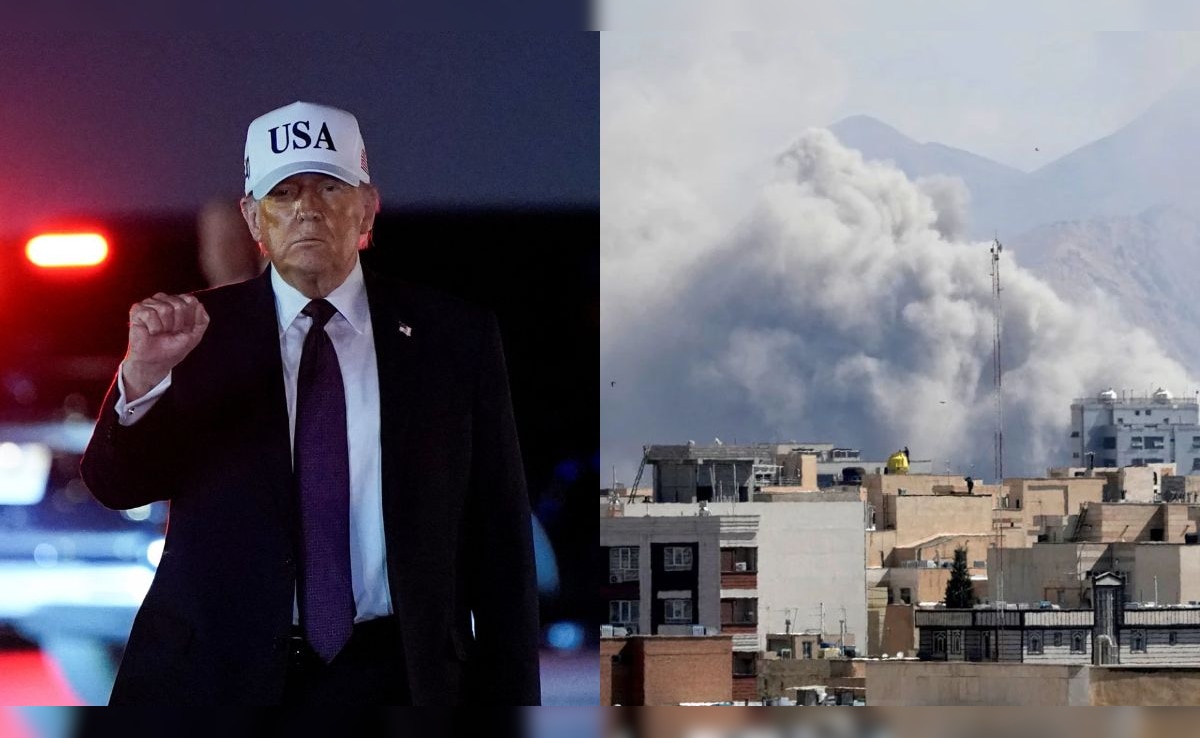
Donald Trump didn't want another war in the Middle East. He said it for years on the campaign trail and during his time in office. His "America First" mantra was built on the idea that pulling back from "endless wars" was the only way to fix things at home. But then the US Embassy in Riyadh was attacked, and the reality of global politics hit him differently. It's a classic case of how even the most stubborn foreign policy positions can crumble when American lives and sovereign territory are suddenly on the line.
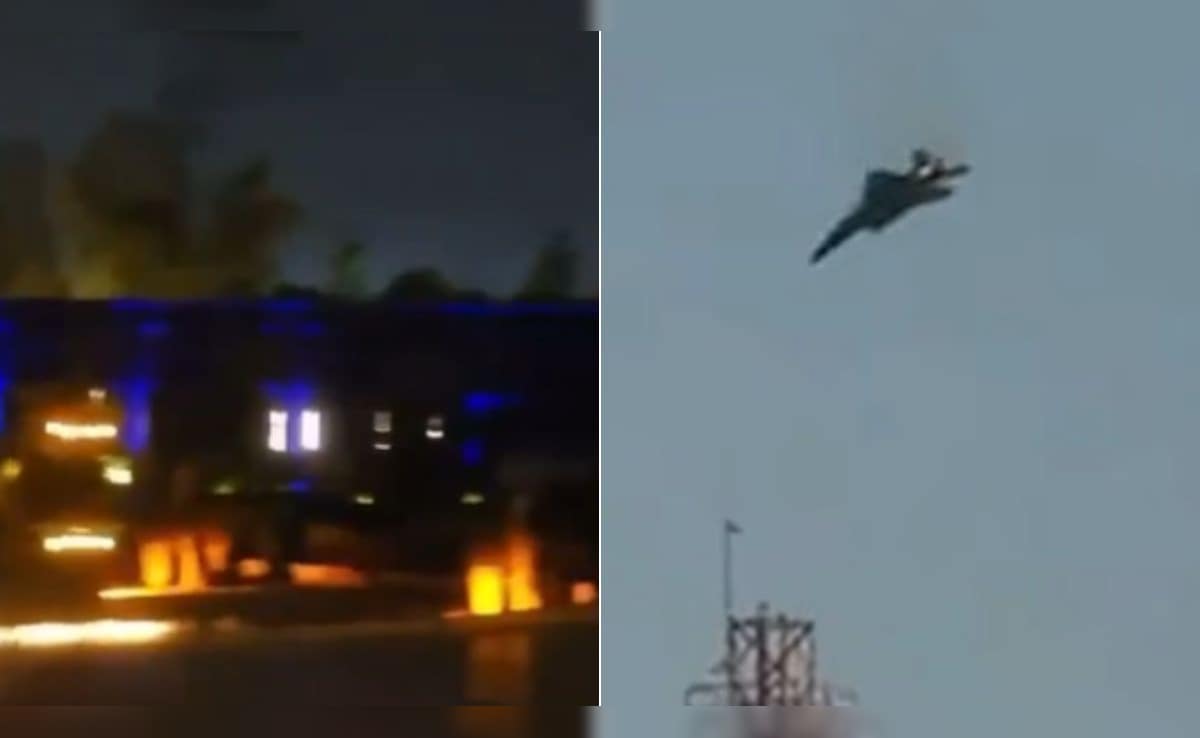
The Riyadh attack wasn't just some minor protest that got out of hand. It was a calculated, violent breach that threatened the lives of hundreds of Americans. When images of the chaos started hitting the Situation Room, the old talk about bringing everyone home didn't seem so practical anymore. You can't just walk away when your backyard is on fire and the neighbors are watching to see if you'll run.
The Strategy That Collapsed Under Fire
Trump’s initial stance was clear. He wanted to reduce the American footprint. He viewed these deployments as a massive drain on resources that didn't provide enough of a return on investment. It was a business-minded approach to geopolitics. If it doesn't make us richer or safer, why are we doing it? That was the logic.
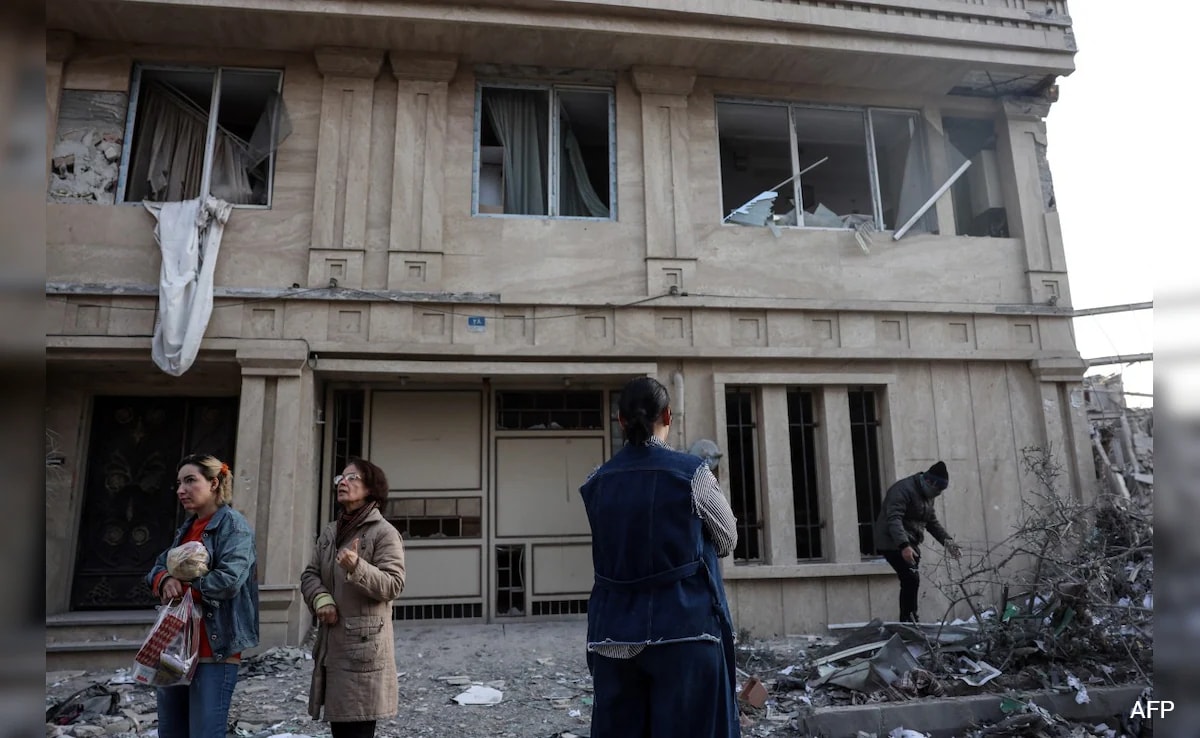
Then came the smoke and the broken glass in Saudi Arabia.
When an embassy is breached, it isn't just a building under attack. It’s American soil. Internationally, that's how it's viewed. Allowing an embassy to fall or even be significantly damaged without a major response sends a message of weakness that ripples through every other capital in the world. Trump knew this. He’s always been obsessed with the image of strength. The "U-turn" wasn't a change in his core beliefs as much as it was a realization that his "America First" goals were being directly undermined by his own troop withdrawal plans.
To keep America first, he realized he couldn't let America look last in the Middle East.
Why Riyadh Mattered More Than Other Flashpoints
You might wonder why this specific event triggered a shift when other tensions didn't. Saudi Arabia is the linchpin of the global energy market and a massive buyer of American defense hardware. If the US looks like it can't even protect its own diplomats in the heart of the Kingdom, the entire regional alliance structure starts to look like a house of cards.
- The Intelligence Failure Factor: There were reports that the threat level had been underestimated. This made the administration look blindsided, which Trump hates.
- The Tehran Connection: There’s always a shadow of Iran in these situations. If the attackers were backed by regional proxies, a "no boots" policy would be seen as a green light for more aggression.
- The Hostage Fear: Nobody in Washington wants a repeat of the 1979 Tehran hostage crisis. The optics of American diplomats in zip ties would have ended any chance of a second term or a lasting legacy.
The move to put boots on the ground wasn't about starting a new war. It was about "static defense" and "deterrence." But in the Middle East, those are often just fancy words for "staying indefinitely." By sending in more Marines and special operations units, Trump was effectively admitting that the world is a lot messier than a campaign slogan suggests.
The Tension Between Campaign Promises and Reality
I’ve seen this happen with almost every modern president. They run on a platform of "no more wars" and then they get the 3:00 AM phone call. Obama did it with the surge in Afghanistan. Bush did it after 9/11. Trump’s U-turn is actually more honest in a weird way. He didn't try to hide it behind a complex new doctrine. He basically said, "They hit us, so now we’re hitting back harder."
The problem is that once those boots are on the ground, taking them off is nearly impossible. You create a dependency. The host country starts relying on your security umbrella, and your enemies start using your presence as a recruitment tool. It's a cycle that Trump desperately wanted to break, but the Riyadh attack proved that some cycles are stronger than a president’s will.
Logistics of the Reinforcement
The actual deployment wasn't just a few squads. We're talking about rapid-response teams, logistics support, and enhanced surveillance capabilities. It was a massive logistical undertaking that happened in a matter of hours, not days. This kind of "surge" requires a level of coordination that contradicts the idea of a diminishing American presence.
- Marines: Sent in to harden the perimeter.
- Intelligence Assets: Reallocated from other theaters to focus on the Saudi-Yemen-Iran triangle.
- Air Support: Increased sorties to provide "overwatch" for the ground teams.
When you add all that up, you aren't "leaving" the Middle East. You're digging in.
What Happens Next for American Diplomacy
The Riyadh incident changed the math for everyone in the region. Our allies saw that we would still show up when things got ugly, but our enemies saw exactly what it takes to bait us back into a ground presence. It’s a dangerous game. If you want to understand the current state of US-Saudi relations, you have to look at this U-turn as the moment the "withdrawal" narrative died.
Don't expect a full-scale exit anytime soon. The "Boots on Ground" are likely there to stay as long as the threat of embassy breaches remains high. It’s a reactive foreign policy, but in a world where your sovereign territory can be stormed by a mob, reactive is often the only way to survive.
If you’re tracking how these shifts affect global markets or regional stability, keep an eye on the troop levels in the Eastern Province. Those numbers will tell you more about the administration's true intentions than any press conference ever will. Watch the "deployment cycles" of the 82nd Airborne and the 10th Mountain Division. When they stop rotating in, that’s when you’ll know the U-turn has finally reached its end.
Check the latest Department of Defense briefings on "Operation Sentinel" or its successors. These documents often hide the real troop counts in the fine print of "temporary duty" assignments.