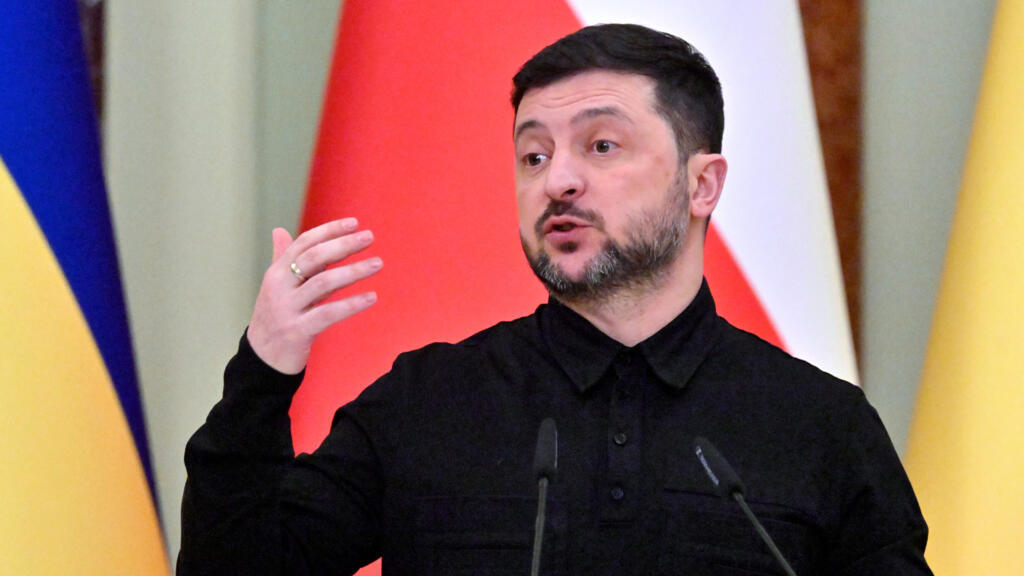
Don't let the headlines fool you into thinking a signed peace treaty is coming next week. While President Volodymyr Zelensky confirmed that a new round of trilateral talks is "most likely" hitting Abu Dhabi in early March, the reality on the ground is a lot messier than a scheduled meeting in a luxury hotel. We’re entering the fifth year of this full-scale invasion, and the gap between "talking" and "settling" has never looked wider.
Zelensky’s announcement follows a tense, multi-day diplomatic sprint in Geneva. Ukrainian negotiators, led by Rustem Umerov, spent their time locked in rooms with U.S. envoys Steve Witkoff and Jared Kushner. They aren't just talking about ceasefires anymore. They're drafting blueprints for the "restoration of Ukraine" and debating who actually pays for the hundreds of billions in damages. But while the diplomats drink bottled water in Switzerland or the UAE, the missiles are still flying in Zaporizhzhia and the Donbas.
Why Abu Dhabi is the New Diplomatic Hub
Moving the talks back to the UAE isn't a random choice. Abu Dhabi has become the preferred neutral ground for the "trilateral format" involving Ukraine, Russia, and the U.S. under the current administration's push. Geneva was a technical pitstop, but the UAE represents a space where both sides feel they can breathe without the immediate pressure of European Union or NATO optics.
Zelensky is betting big on this "leadership level" meeting. He's been vocal about the fact that in a "personalized regime" like Putin’s, mid-level envoys can't pull the trigger on a real deal. He wants a face-to-face. He needs one. The goal for March is to "finalize everything achieved so far" regarding security guarantees. If they can't lock those in, the talks are just expensive photo ops.
The Sticking Points Nobody Wants to Touch
If you think this is just about moving a border line a few miles, you're missing the point. The deadlock isn't just physical; it's existential. Here is what’s actually keeping everyone up at night:
- The Donbas Heartland: Russia is demanding total control of the Donetsk region. Ukraine won't budge. It's the industrial soul of the country, and giving it up is a political death sentence for any Ukrainian leader.
- The June Deadline: President Trump has reportedly set a hard target to end the war by the summer. Deadlines create urgency, but they also create desperation. Russia knows this and is using the clock to try and squeeze concessions out of Kyiv.
- Security Guarantees: This is the big one. Ukraine wants "real" guarantees—meaning if Russia attacks again, someone actually shows up to help. Russia views any such guarantee as a back-door entry into a military alliance they’ve spent decades fighting.
The Economic Shadow Over the Table
The March talks won't just be about tanks and trenches. Economic heavyweights are starting to appear in the hallways. In Geneva, onlookers spotted Philipp Hildebrand, Vice Chairman of BlackRock. This tells you exactly what’s happening behind the scenes. The conversation is shifting toward the "Day After."
Umerov has already confirmed that the Ukrainian team worked out a detailed document on reconstruction. They're talking about investment, rebuilding the energy grid, and how to jumpstart an economy that’s been on life support for four years. For the U.S. and its partners, the "peace" has to be profitable—or at least sustainable—to be worth the diplomatic capital.
Russia’s Strategic Silence
While Zelensky is out there giving nightly addresses and setting expectations, the Kremlin is playing its usual game of poker. Kirill Dmitriev, Putin’s economic envoy, was in Geneva but said next to nothing. This "tough" stance is a calculated move. Moscow wants to see how much the U.S. is willing to pressure Kyiv into "compromise" before they show their hand.
The Russian Foreign Ministry’s official line is that they have "no deadlines, only tasks." They're perfectly comfortable letting the West sweat over the June target while they continue to strike Ukraine’s energy infrastructure. It's a strategy of exhaustion.
What to Watch for in the Coming Weeks
As we approach the early March window in Abu Dhabi, the rhetoric is going to get louder. Watch the front lines in the Donbas. Usually, when a major round of talks is coming up, both sides try to seize as much "leverage" as possible through localized offensives. It's a brutal reality where blood is spilled to gain an extra inch of bargaining power at the table.
If you're looking for a silver lining, look at the humanitarian side. The February talks did manage to move the needle on prisoner exchanges and civilian releases. Those are the small wins that keep the process alive, even when the big political questions remain "stuck."
Don't expect a grand peace signing in Abu Dhabi. Expect a fight over words like "autonomy" and "sovereignty." The real work isn't happening in the speeches; it's happening in the technical annexes of documents that most of us will never see. If the March round doesn't produce a framework for a Putin-Zelensky meeting, the summer deadline is going to look like a fantasy.
Keep an eye on the official statements from the UAE Ministry of Foreign Affairs and the updated directives Zelensky promised his team. The specific dates for the Abu Dhabi meeting will likely drop within the next 72 hours, depending on the "security situation" on the ground.


