You've likely seen the headlines. Missiles flying into Pakistan, drones hitting Erbil in Iraq, and strikes reaching as far as Syria. On the surface, it looks like a country lashing out wildly. But if you think this is just a regional bully having a meltdown, you're missing the bigger picture. When Iran's Deputy Foreign Minister Ali Bagheri Kani talks about "strategic interaction" or "détente," he isn't just using diplomat-speak to cover for bad behavior. He's describing a survival strategy for a regime that feels the walls closing in.
The truth is that Iran isn't attacking its neighbors because it wants a war with them. It's attacking because it's terrified of looking weak while it fights a much bigger shadow war with Israel and the United States.
Deterrence is the Only Language Left
I've watched this play out for years, and the pattern is always the same. Whenever Iran suffers a massive security breach at home—like the Kerman bombings or the assassination of high-ranking IRGC officials—they have to hit back. If they don't, they lose face with their own hardliners and their "Axis of Resistance" partners.
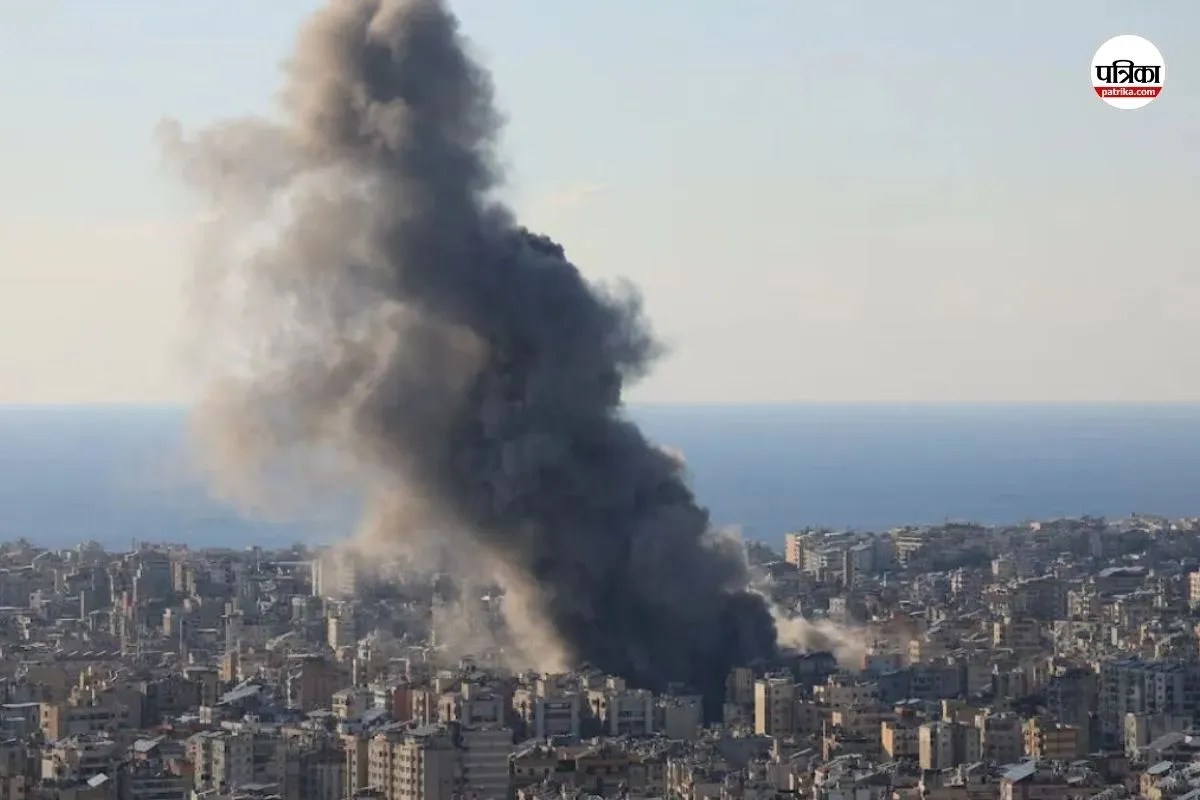
In January 2024, Iran struck targets in Iraq, Syria, and Pakistan within a 24-hour window. Why? Because they needed to prove their missiles could reach anyone, anywhere. By hitting a supposed "Mossad hub" in Erbil, they were telling Israel: "We can see you." By hitting ISIS in Syria, they were telling their domestic audience: "We are protecting you." And by hitting Pakistan? That was a risky move to show that no border is a shield if Tehran feels threatened.
Don't mistake these strikes for a desire to conquer territory. Iran doesn't want to own Erbil or Balochistan. It wants to ensure those areas aren't used as launchpads for its enemies. Bagheri Kani has been clear about this—Tehran views "foreign intervention" as the primary poison in the region. If a neighbor hosts a U.S. base or an alleged Israeli spy cell, they become a target by proxy.
The Deputy Foreign Minister's Defensive Spin
When Bagheri Kani sits down for interviews, he consistently frames these aggressive acts as "defensive." It's a classic bit of geopolitical gaslighting, but from his perspective, it's consistent. He argues that Iran is the only power truly interested in "collective security" without Western interference.
"We will not allow foreigners to misuse potential gaps," he said recently. Translate that from diplomat to English, and he's saying: "If you let the Americans or Israelis use your backyard to mess with us, we're going to blow up your backyard."
It's a brutal logic. Honestly, it's also a sign of desperation. In early 2026, with the "Twelve-Day War" of 2025 still fresh in everyone's minds and the U.S. launching "Operation Epic Fury," Iran's traditional proxy strategy is under immense strain. When Hezbollah and Hamas are weakened, the IRGC feels it has to step out from behind the curtain and do the dirty work itself.
Why the Strategy is Backfiring
- Alienating Potential Allies: You can't talk about "brotherly bonds" while sending suicide drones into a neighbor's house. Pakistan's retaliatory strikes in 2024 proved that even "friendly" neighbors have a limit.
- Economic Suicide: Iran needs trade with the UAE, Saudi Arabia, and Azerbaijan to bypass Western sanctions. Every missile launch makes those countries more likely to lean into U.S.-led security umbrellas.
- Internal Instability: The regime is betting that external conflict will distract from the massive protests and 31% inflation at home. It's a gamble that hasn't paid off since the 1980s.
The Shadow of Operation Epic Fury
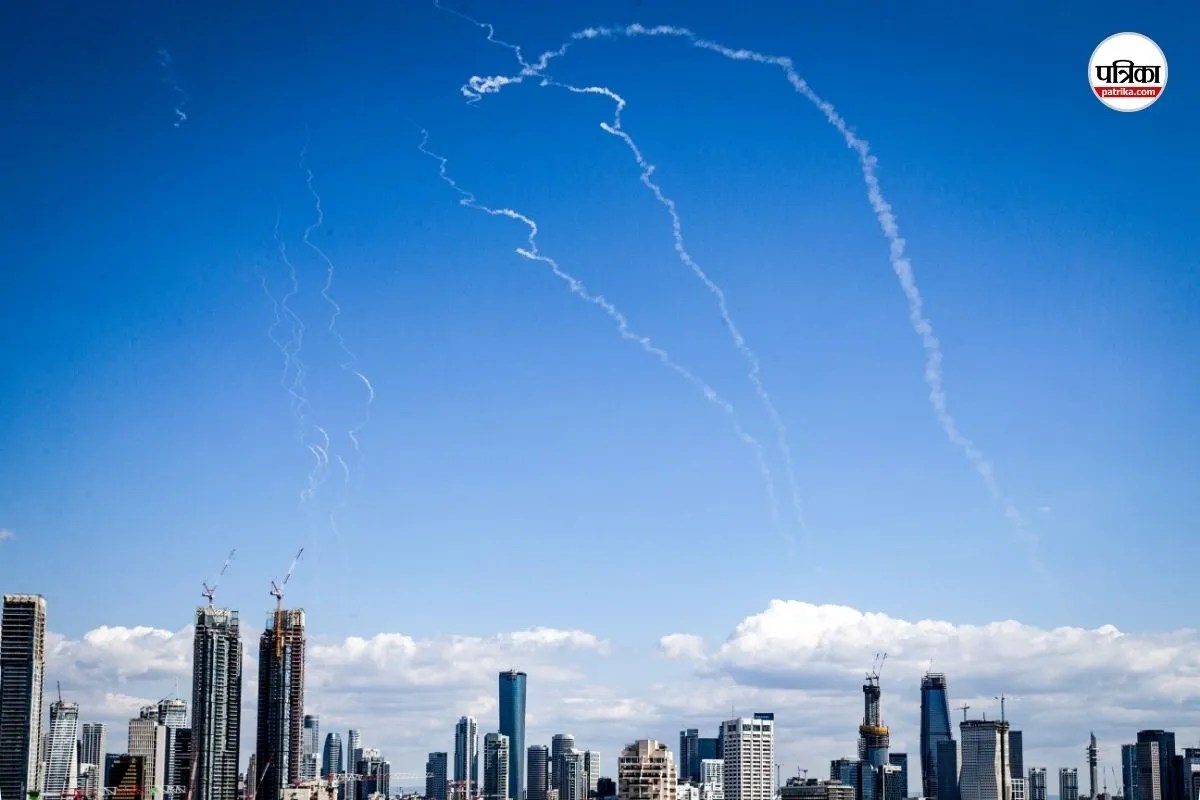
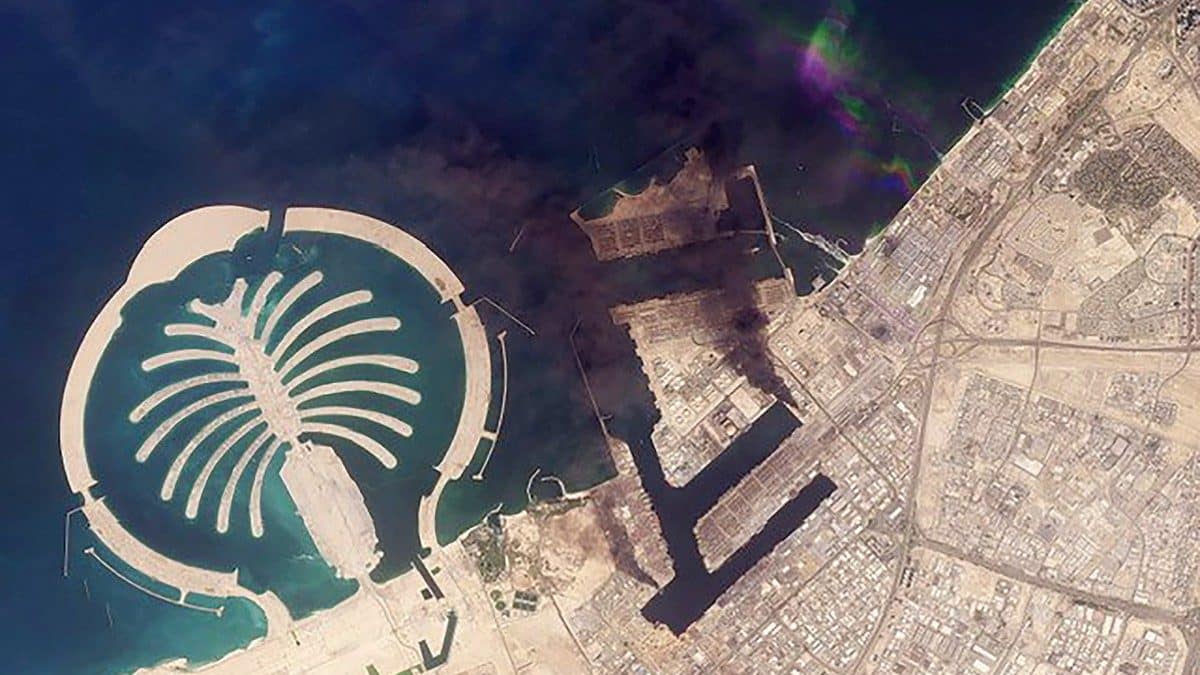
We have to talk about the current reality in 2026. With the U.S. and Israel carrying out direct strikes on Iranian soil, the old rules of the "shadow war" are dead. Iran's recent attacks on U.S. bases in Kuwait and Qatar aren't about those specific countries—they're a desperate attempt to force a ceasefire by threatening the global oil supply.
If you're wondering if this leads to a total regional collapse, the answer depends on the neighbors. Most Arab states are trying to walk a tightrope. They condemn the strikes to save face, but they're also terrified of what happens if the Iranian regime actually collapses and leaves a power vacuum filled by a radicalized, fractured IRGC.
What This Means for the Region
Don't expect the missiles to stop. As long as the Iranian leadership feels its survival is at stake, it'll keep using its neighbors as a punching bag to send messages to Washington and Jerusalem. It's a messy, dangerous game of "strategic signaling" where civilians in Iraq and Pakistan pay the price for a conflict they didn't start.
If you're tracking this, watch the diplomatic channels in Oman and Qatar. That's where the real talking happens, even while the drones are in the air. The strikes are the theater; the backchannel negotiations are the script.
Stay skeptical of any official statement claiming these attacks are about "counter-terrorism" alone. It's about sovereignty, face-saving, and a regime trying to prove it's still the toughest kid on the block while its house is on fire.
Keep an eye on the upcoming emergency UN Security Council meetings. If the U.S. continues its regime-change rhetoric, Iran's "defensive" strikes will likely move from precision hits to broad regional disruption. Check the latest oil price swings—they're the best barometer for how close we are to the edge.