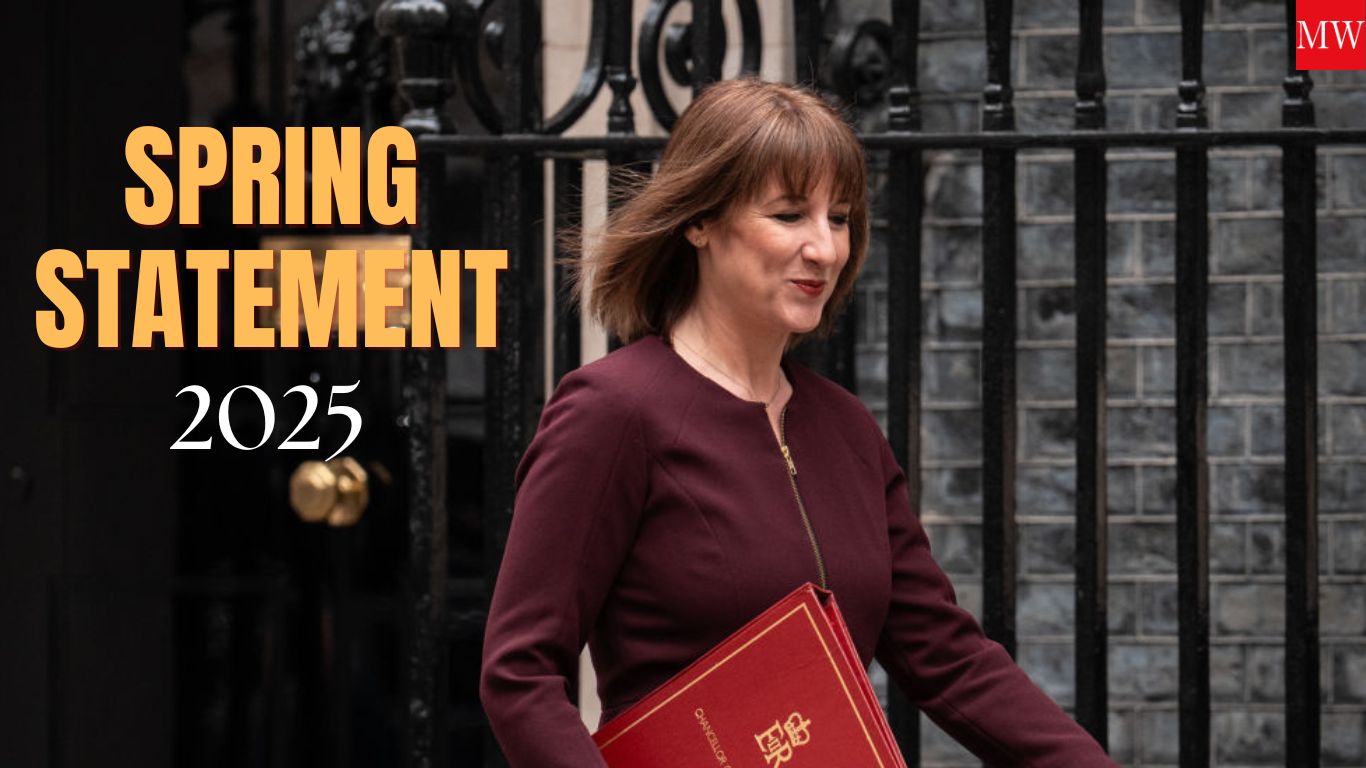
Don't expect fireworks on March 3. Rachel Reeves has spent months telling anyone who'll listen that she's done with the era of "fiscal window dressing." The upcoming spring outlook isn't a budget. It isn't even a mini-budget. It’s a 20-minute update designed to be as boring as possible for the bond markets while the Treasury keeps its powder dry for the autumn.
If you're looking for massive tax cuts or sweeping new spending, you're looking at the wrong event. Reeves wants to prove she's the adult in the room by sticking to a single major fiscal event per year. But just because it’s "slimline" doesn't mean it’s empty. Underneath the calm surface, the Office for Budget Responsibility (OBR) is about to drop some numbers that will determine exactly how much pain—or relief—is coming later this year.
The Headroom Headache
The City is obsessed with "headroom." It’s basically the buffer the Chancellor has before she breaks her own self-imposed borrowing rules. Right now, analysts at Bank of America think she might see a £2 billion improvement, taking her total breathing room to about £24 billion.
That sounds like a win. It isn't.
While lower interest rates and softening gilt yields are helping the balance sheet, they’re being dragged down by a sluggish economy. The UK grew by a pathetic 0.1% in the final months of 2025. You can’t tax what isn't growing. If the OBR decides to downgrade its 2026 growth forecast from 1.4% to something closer to 1.1%, that £2 billion "bonus" evaporates instantly.
The Migration and Labor Trap
Here’s what the mainstream headlines usually skip. The OBR’s previous math relied heavily on high net migration to juice the GDP numbers. More people working equals more tax collected. But migration is falling faster than the OBR expected.
Some researchers, like James Bowes at the University of Warwick, even suggest net migration could hit negative levels this year. If the labor force shrinks, the OBR has to slash its growth projections. Reeves is stuck in a paradox. To meet her fiscal rules, she needs growth. To get growth, she needs workers. But politically, she’s under pressure to keep those migration numbers down.
Then there’s the unemployment problem. It’s crept up to 5.2%. More concerning is youth unemployment, which has spiked to over 15%. This isn't just a social issue; it’s a fiscal one. Higher unemployment means more benefit spending and less income tax. It’s a double hit to the Treasury that makes any "headroom" feel like a rounding error.
Why Investors are Finally Breathing
Bond investors are the real audience for this speech. They still have scars from the 2022 mini-budget chaos. For them, "boring" is beautiful.
10-year gilt yields have been sitting around 4.35%. That’s high, but it’s stable. Goldman Sachs thinks these could drop to 4% by the end of the year if Reeves sticks to her "no surprises" script. The Treasury knows that even a small hint of unplanned spending could send yields back up, making the national debt even more expensive to service.
Expect Reeves to spend her 20 minutes at the dispatch box talking about "stability" and "long-term foundations." It’s code for: "I’m not touching anything until October."
Small Tweaks to Watch
While there won't be a "Rabbit out of the Hat," watch for minor adjustments. These aren't economy-shifters, but they matter for specific sectors.
- The Pubs Package: Look for a formalization of the business rates relief for hospitality, likely costing around £80 million.
- Inheritance Tax: There’s talk of "softening" the controversial changes to agricultural and business property reliefs. It’s a small olive branch to rural voters after the backlash last autumn.
- Student Loans: Nerves are growing over youth debt. We might see a minor tweak to interest rates or repayment thresholds to quieten backbench rebels.
Why It Matters for Your Pocket
If you're a business owner or a taxpayer, the message is clear: the current tax burden isn't moving. The government has already hiked national insurance for employers and squeezed capital gains. This spring outlook is about confirming those changes are sticking.
Inflation is the only real wildcard. It’s fallen to 3%, and the Bank of England is finally looking at rate cuts. If the OBR’s forecast shows inflation hitting the 2% target sooner than expected, it gives Reeves a much easier story to sell. It means the "cost of living crisis" tag might finally be retired, even if prices at the till don't actually go down.
Basically, the Chancellor is playing a waiting game. She's betting that by doing nothing now, she buys the credibility to do something significant in the Autumn Budget. It’s a high-stakes gamble on the UK's ability to stay out of a recession.
Check your own business projections against a 1.1% GDP growth rate rather than the more optimistic 1.4% the government was touting last year. If your plan only works in a booming economy, you’re going to find 2026 very difficult. Prepare for a "steady as she goes" environment where the biggest risk is the government's own caution.