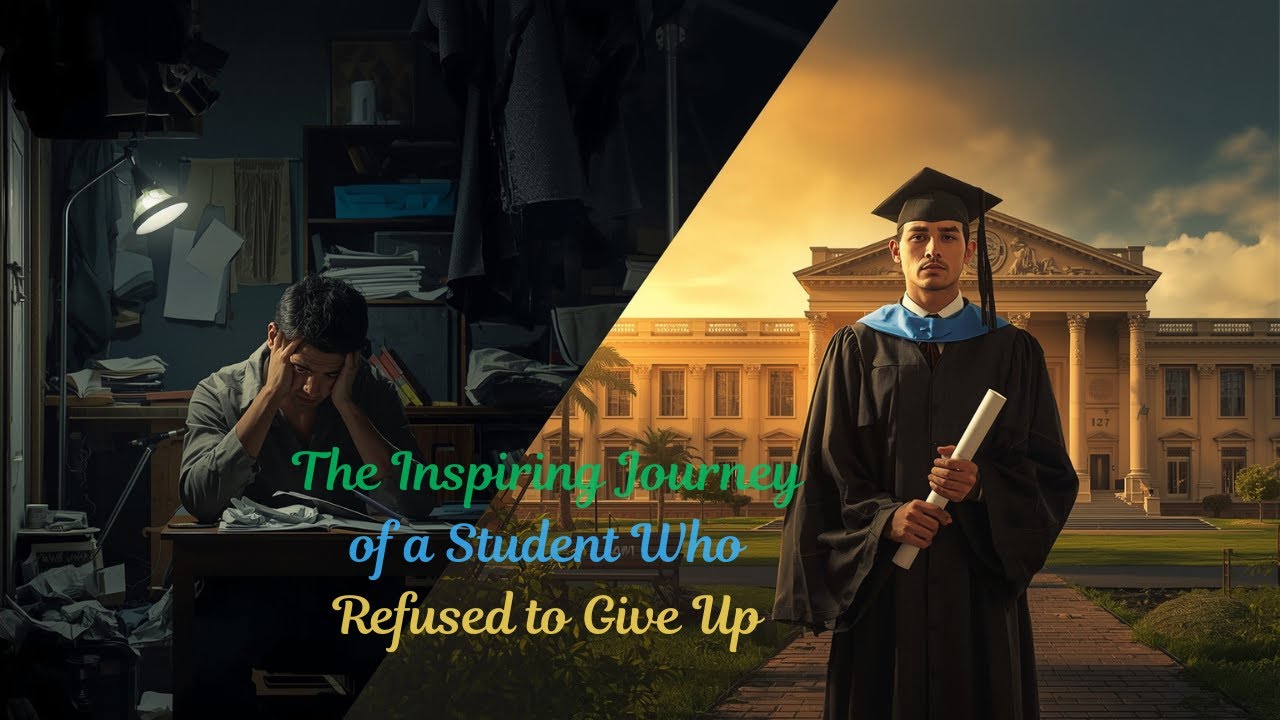
The light in the studio was the first thing to go. For a sculpture student, that specific, dusty afternoon sun hitting a block of clay isn't just an aesthetic preference; it is the classroom. Then the welding torch went cold. The library doors clicked shut. Finally, the vibrant, expensive chaos of a university campus was reduced to a 13-inch glowing rectangle on a kitchen table.
Thousands of students sat in those same chairs, staring at those same screens, watching their tuition-funded dreams buffer. We were told we were "all in this together," a phrase that began to feel increasingly expensive as the monthly direct debits for tuition fees continued to exit our bank accounts with rhythmic, unfeeling precision.
The contract was broken.
When you buy a car and the dealership delivers a bicycle, you get your money back. When you book a hotel suite and end up on a cot in the hallway, you demand a refund. But when a university replaces a high-tech laboratory and a network of world-class mentors with a series of grainy Zoom calls and a PDF reading list, the rules of commerce suddenly become "complicated."
Seeking compensation for the Covid-era university experience isn't about being litigious. It isn't even necessarily about the money, though for a generation saddled with record-breaking debt, the money is a heavy weight. It is about the principle of the thing. It is about an institution’s refusal to admit that the product they sold was fundamentally different from the one they delivered.
The Myth of the Seamless Transition
University administrations love the word "pivot." They pivoted to online learning. They pivoted to hybrid models. But for the student on the other side of the glass, the pivot felt more like a freefall.
Consider a hypothetical student—let's call her Sarah. Sarah moved three hundred miles from home to study Marine Biology. She chose her university specifically for its access to research vessels and specialized saltwater tanks. When the lockdowns hit, Sarah spent her second year in a damp studio apartment, watching YouTube videos of other people conducting experiments she had paid £9,250 to do herself.
Sarah’s "contact hours" were technically met. A professor spoke into a microphone for sixty minutes. A PowerPoint was shared. On paper, the university fulfilled its obligation. But the "value" of a degree isn't found in the mere transmission of data. If it were, we would all just use Wikipedia and save ourselves forty thousand pounds. The value is in the facility, the peer-to-peer friction, the spontaneous debate in a hallway, and the physical resources that make higher education more than just a glorified correspondence course.
When Sarah asked about a tuition reduction, the response was a polite version of "no." The university pointed to its fixed costs. They still had to pay the staff. They still had to maintain the buildings Sarah wasn't allowed to enter. They acted as though the student was a shareholder in a struggling business, expected to absorb the losses of a global crisis to keep the firm afloat.
The Invisible Stakes of the Student Debt
The numbers involved in these compensation claims are often dismissed as "reasonable" or "minor" by those who haven't looked at a student loan balance lately. In the UK, the standard tuition fee is capped at £9,250 per year. Over a three-year degree, plus maintenance loans, a student can easily walk across a graduation stage—or, in our case, click "leave meeting"—with over £50,000 in debt.
Interest rates on these loans aren't a joke. They are an aggressive, compounding reality that dictates when a young person can buy a house, start a family, or move out of their parents' basement.
When a student joins a group claim against their university, they are often met with the argument that a "temporary disruption" doesn't warrant a payout. But eighteen months isn't a disruption. It is half of a degree. It is fifty percent of the formative adult experience that was promised, packaged, and sold as a premium product.
The legal battleground is currently centered on the Student Group Claim. It is a massive, multi-university effort to hold these institutions to the standards of consumer law. The argument is simple: the universities breached their contract. They failed to provide the services they advertised.
The Emotional Cost of the "Ghost Semester"
Beyond the spreadsheets and the legal filings, there is a profound sense of loss that money can’t actually fix, which makes the refusal to refund the money feel even more like an insult.
Loneliness became a silent curriculum. For many, the university is the first time they find "their people." It’s the place where the shy kid from a small town finds a community of poets, or coders, or activists. During the pandemic, that social architecture vanished.
I remember sitting in my room, the silence of the house pressing in on me, trying to write an essay on a book I couldn’t access because the university library was restricted to "essential" click-and-collect services that were booked out weeks in advance. I felt like a ghost haunting my own education. I was paying for the privilege of being ignored.
When we talk about compensation, we are talking about acknowledging that this period sucked. Not just because of a virus, but because the institutions we trusted to guide us through our transition to adulthood chose to prioritize their bottom lines over our reality. They treated us like customers when it came time to collect the fees, but like "members of a community" when it came time to share the hardship.
Why Principle Trumps the Payout
Many of us know the odds. We know that even if the group claims are successful, the individual payouts might only be a few hundred or a few thousand pounds. After legal fees and years of waiting, it won't be a life-changing windfall.
So why do it?
Why spend the energy filling out forms and digging up old emails from 2020?
Because if we don't, we validate a dangerous precedent. We accept the idea that higher education is a one-way street where the institution holds all the power and the student holds all the risk. We accept that "unforeseen circumstances" is a magic spell that allows a service provider to keep 100% of the payment while providing 40% of the service.
There is a specific kind of quiet fury that comes from being told you’re entitled for wanting what you paid for. It’s the same fury that drives people to wait in line for hours to return a broken toaster, or to spend an afternoon on hold with an airline that cancelled their flight. It’s the refusal to be fleeced.
The Reality of the Legal Road
The process is slow. It’s a marathon of bureaucracy. Universities have deep pockets and expensive legal teams who will argue that the quality of education remained "comparable." They will cite student satisfaction surveys that were taken under duress or by students who were too tired to complain.
But the evidence is in the empty lecture halls. It’s in the shuttered labs. It’s in the thousands of hours of recorded Zoom sessions where the "interactive seminar" consisted of a professor talking to a screen full of black boxes because the students were too depressed or disengaged to turn on their cameras.
We are not asking for a handout. We are asking for a price adjustment.
If you go to a restaurant and they run out of steak, so they give you a slice of toast instead, they don't charge you for the steak. They might say the toast is nutritious. They might say the chef worked just as hard to toast the bread as he would have to sear the meat. But it’s still toast.
A Legacy of Accountability
The outcome of these claims will define the relationship between students and universities for the next century. If the courts rule in favor of the students, it sends a signal: you cannot treat students as cash cows. You have a duty of care and a contractual obligation that doesn't disappear when things get difficult.
For those of us who have already graduated and moved into a struggling economy, the money would be a relief. It would be a few months of rent. It would be a dent in a daunting loan balance. But more than that, it would be an admission of the truth.
It would be the university finally looking us in the eye and saying: "We failed to give you what we promised. Here is the difference."
As I look at my degree on the wall, I don't see the honors or the subjects I mastered. I see the window of my bedroom. I see the blue light of the screen at 3:00 AM. I see the two years of my life that were spent in a digital waiting room.
I am claiming because I was there. I am claiming because I paid for a world that they took away, and then they had the audacity to send me an invoice for the privilege of watching it disappear.
The principle is simple: the ghost of an education should not cost the price of the real thing.
Would you like me to help you draft a formal letter to your university's bursar or student union to initiate your own inquiry into a tuition refund?