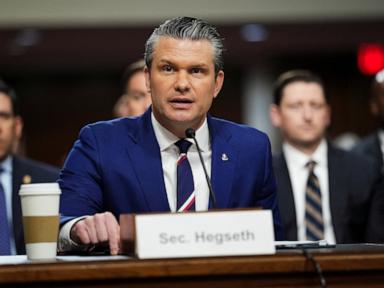
Pete Hegseth is making it clear that he isn’t interested in traditional military debate. By doubling down on his claims that dissenters of a potential war with Iran are the "biggest adversary" to the United States, he’s shifting the goalposts of American patriotism. It’s a move that should worry anyone who values the First Amendment. When a potential high-ranking official or influential media voice starts framing domestic disagreement as more dangerous than foreign threats, the very foundation of a free society begins to crack.
This isn’t just a slip of the tongue. It’s a calculated worldview. Hegseth’s rhetoric suggests that if you don't support aggressive military action against Tehran, you aren't just wrong—you're a traitor. That’s a heavy accusation to lob at millions of Americans who remember the lessons of the last twenty years in the Middle East.
Why the Domestic Enemy Label Matters Right Now
Labeling American citizens as the primary adversary is a tactic designed to silence. If the enemy is within, then the rules of engagement change. We’ve seen this play out before in history, where the internal "other" is used to justify expanded government power and the erosion of privacy. By focusing on dissenters, Hegseth diverts attention away from the actual complexities of Iranian geopolitics.
Iran is a sophisticated actor with a complex internal structure and a wide-reaching proxy network. Dealing with them requires a nuanced understanding of the Revolutionary Guard, regional power dynamics, and nuclear proliferation. Calling the guy down the street who doesn’t want another "forever war" the "biggest adversary" is an insult to the intelligence of the American public. It ignores the reality of the threat and focuses instead on tribalism.
The Cost of Military Groupthink
History shows us that the most successful military outcomes come from vigorous debate, not blind obedience. Look at the lead-up to the Iraq War. The lack of loud, respected dissenting voices within the halls of power led to one of the biggest foreign policy blunders in modern history. We were told there were weapons of mass destruction. We were told we’d be greeted as liberators. The people who questioned those narratives were mocked and sidelined.
If Hegseth gets his way, that sidelining becomes official policy. When you view dissent as an existential threat, you stop listening to the warnings that could save lives and trillions of dollars. You create an echo chamber where the only acceptable answer is "more force." That isn't leadership. It's a recipe for disaster.
The irony is that many of the people Hegseth is attacking are veterans themselves. There’s a growing movement of former service members who are skeptical of interventionism. They’ve seen the "mission accomplished" banners and the long tail of VA hospital visits. Calling these men and women the "biggest adversary" because they want a more restrained foreign policy is a slap in the face to their service.
Decoding the War Rhetoric
The language being used here is about more than just Iran. It's about a fundamental shift in how the American right views the concept of the "enemy." For decades, the enemy was Communism or Radical Islam. Now, for a certain faction, the enemy is the "liberal elite" or "anti-war activists."
Hegseth’s stance relies on several logical fallacies:
- The False Dilemma: You either support total war or you support the Ayatollah.
- The Straw Man: Dissenters are painted as people who hate America, rather than people who want a more effective security strategy.
- Ad Hominem: Attacking the character of the critic rather than the substance of their argument.
When you break down his arguments, there's very little actual strategy involved. It's all about emotion and identity. He’s tapping into a deep-seated feeling of grievance, suggesting that the reason America hasn't "won" lately isn't due to bad planning or impossible goals, but because of a "stab in the back" by people at home. It’s a dangerous narrative that has historically preceded some very dark times for democracies.
Iran is Not a Simple Target
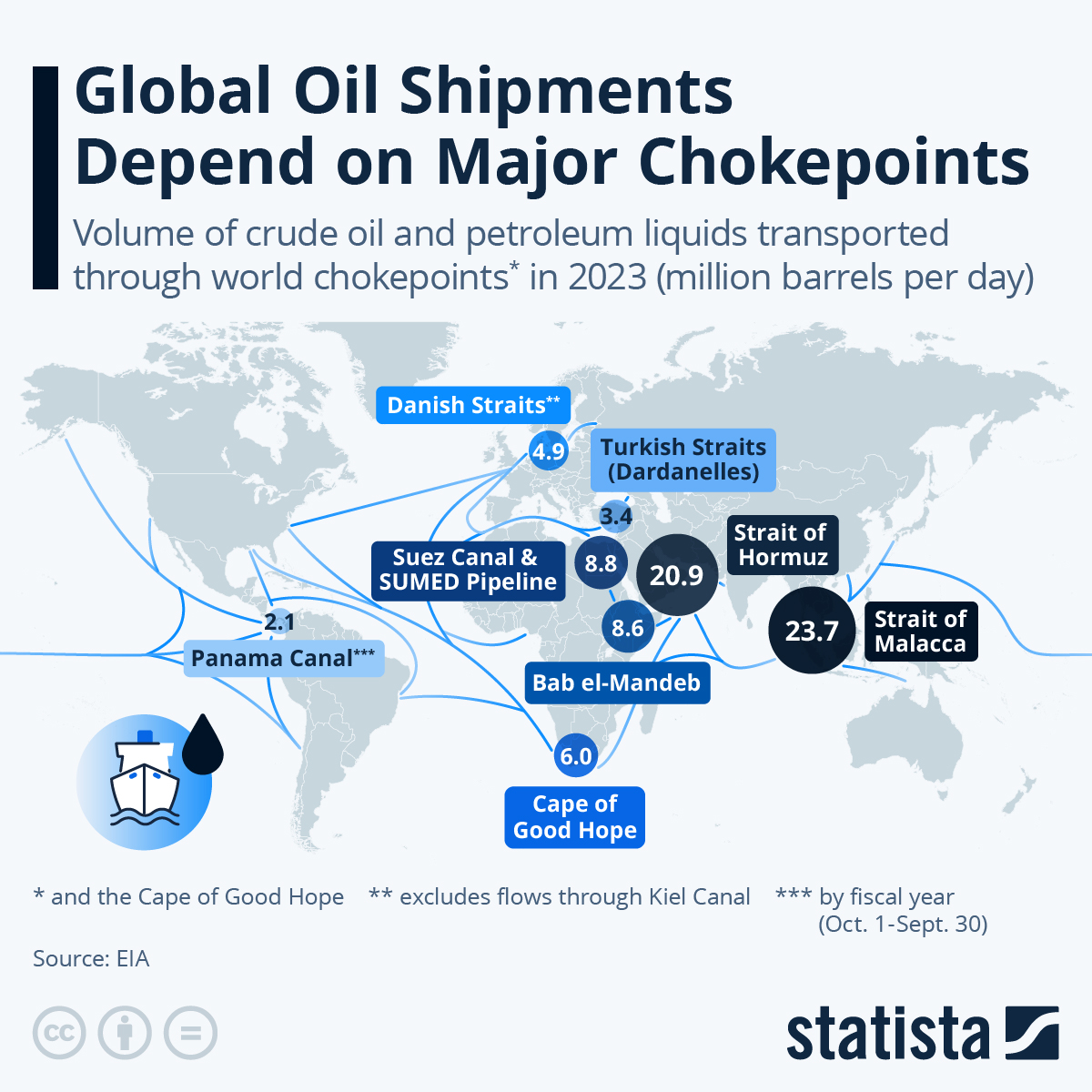
Let's get real about what a war with Iran would actually look like. It wouldn't be a quick strike. Iran has a population of over 85 million people. Its geography is mountainous and difficult for invading forces. They have decades of experience in asymmetric warfare. A conflict there would likely ignite the entire region, pulling in Hezbollah in Lebanon, militias in Iraq, and potentially destabilizing the global energy market.
Questioning whether the U.S. is prepared for that isn't an act of betrayal. It's an act of sanity. The dissenters Hegseth despises are often the ones asking the hard questions about logistics, exit strategies, and the long-term regional fallout. These are the questions that military planners should be answering, not dismissing as enemy propaganda.
The Role of Media in Amplifying Hostility
We can't ignore the platform Hegseth uses. As a media personality, his words reach millions of people every day. When he uses that platform to sharpen the divide between "real" Americans and "adversaries," he’s contributing to a climate where political violence becomes more likely.
Media figures have a responsibility to distinguish between policy disagreement and actual threats to the state. By blurring that line, Hegseth isn't just reporting the news or even just giving an opinion; he's actively reshaping the social contract. He’s telling his audience that their neighbors who vote differently or think differently are actually a threat to their survival.
Moving Past the Rhetoric
If you're tired of the "us vs. them" narrative, it's time to demand more from our public figures. We need leaders who understand that national security is strengthened by a robust, free press and a skeptical public. We don't need "warriors" who are more interested in fighting their own countrymen than in crafting sound policy.
Here is what you can do to stay grounded in the face of this kind of rhetoric:
- Check the sources. When someone claims a group of Americans is a "threat," look at the evidence. Is there a crime being committed, or just an opinion being expressed?
- Study the history. Look at the Gulf of Tonkin or the 2003 invasion of Iraq. See how dissent was handled then and what the consequences were.
- Support independent voices. Seek out military analysts and foreign policy experts who don't have a political axe to grind.
- Engage in the debate. Don't let the fear of being labeled an "adversary" stop you from questioning military intervention. Your voice is a vital part of the democratic process.
The "biggest adversary" isn't the person who disagrees with you about a war in the Middle East. The biggest adversary is the erosion of the right to disagree in the first place. Stand your ground on that, and don't let the rhetoric of fear win.