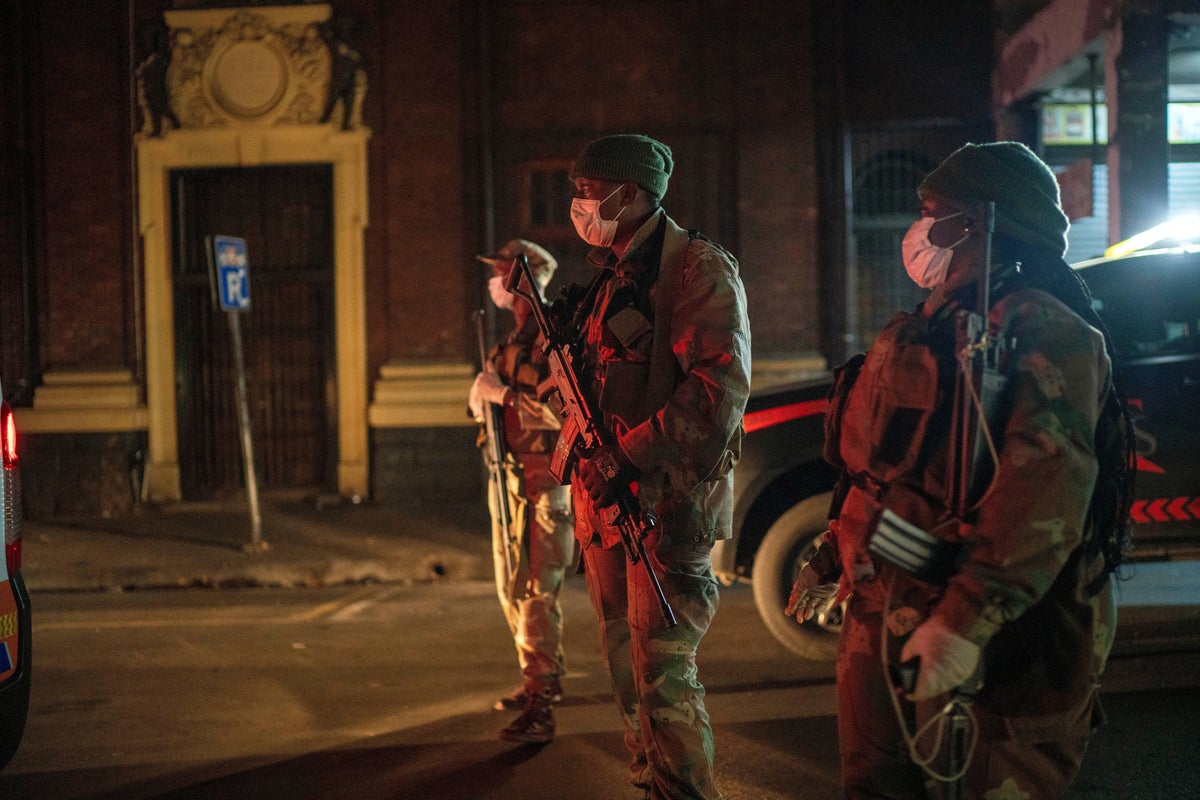
President Cyril Ramaphosa just dropped a bombshell during his 2026 State of the Nation Address. The South African National Defence Force (SANDF) is headed back to the streets of Gauteng and the Western Cape. If you feel like you’ve heard this before, it’s because you have. We've seen this cycle repeat since the late 90s, but this time the stakes are higher and the budget is bigger.
The immediate plan is to throw the military at the "zama zamas" in the abandoned mine shafts of Johannesburg and the gang lords of the Cape Flats. Ramaphosa called organized crime the most immediate threat to the country’s democracy. He’s not wrong. When hitmen are cheaper than a used car and illegal mining syndicates operate with more efficiency than some government departments, you've got a problem. But sending in the guys with rifles and camouflage isn't the magic fix everyone thinks it is. Don't miss our earlier post on this related article.
Why the army is a bandage not a cure
Soldiers are trained to find an enemy and neutralize them. They aren't trained for domestic policing, which requires a delicate touch, evidence gathering, and community trust. When you put the SANDF into a neighborhood like Manenberg or Hanover Park, you get what criminologists call "temporary incapacitation."
Basically, the shooting stops for a few weeks because nobody wants to trade fire with an armored vehicle. But the gangs don't just vanish. They go quiet. They move a few blocks over. They wait for the deployment's end date. Research from Stellenbosch University shows that crime levels in these "stabilized" areas usually bounce back to their original levels within a year of the troops leaving. It's a game of whack-a-mole where the hammer eventually gets tired and goes back to the barracks. To read more about the history of this, NPR offers an excellent breakdown.
The billion rand gamble in the 2026 budget
Money is finally moving, which is a change from the usual talk-only approach. Finance Minister Enoch Godongwana just cleared R2.7 billion for the Defence budget over the medium term. On top of that, R1 billion from the Criminal Assets Recovery Account (CARA) is being split between the police and the army specifically to fight organized crime.
This isn't just about boots on the ground. The 2026 plan includes:
- Hiring 5,500 new police officers this year.
- Setting up specialized courts to handle organized crime cases.
- Pumping R990 million into the Border Management Authority.
- Re-vetting senior police management to weed out "compromised elements."
The government is trying to signal that they're serious. But here's the kicker: the SANDF is already broke. For years, the military has been crippled by budget cuts. They're struggling to maintain their own fighter jets and vehicles. Critics like Julius Malema argue that using a weakened military as a "last resort" is just a public admission that the South African Police Service (SAPS) has effectively collapsed in certain zones.
The zama zama problem is bigger than you think
Illegal mining isn't just a few desperate guys looking for gold scraps. It's a multi-billion rand industry run by international syndicates. In places like Gauteng and the North West, these gangs are often better armed than the local police. They use rifle-caliber weapons and explosives.
Last year, the country was rocked by the story of 80 illegal miners accused of gang-raping women at a music video shoot. That's the level of lawlessness we're talking about. The army is being sent in because the police simply don't have the firepower or the numbers to flush out these "zama zamas" from the labyrinth of abandoned shafts.
But even if the army clears the shafts, what happens to the gold? It still flows through the same corrupt channels. Unless the government hits the financiers and the gold refineries that buy this stuff, the army is just clearing the way for the next group of miners to move in once the soldiers leave.
History and the ghosts of the past
Ramaphosa is walking a tightrope here. He knows that for many South Africans, the sight of soldiers in the townships brings back horrific memories of the apartheid era. Back then, the army was used to crush pro-democracy protests.
He went out of his way to say this deployment is "time-limited" and that the SANDF will operate under police command. This is meant to prevent human rights abuses. Soldiers aren't schooled in the subtleties of "probable cause" or "reasonable force." When they're under pressure in a high-tension gang zone, things can go south very quickly.
What actually needs to happen for this to work
If the army is just there to stand on street corners, it's a waste of R1 billion. For this to actually change anything, the "stabilization" period has to be used for deep-tissue work.
- Intelligence over muscle: The army provides a shield. Behind that shield, the SAPS and the Hawks need to be arresting the "high flyers"—the guys who never touch a gun but own the houses and the bank accounts.
- Cutting off the guns: The Western Cape has a massive problem with "lost" police firearms ending up in gang hands. If you don't stop the leak from the state’s own armories, you're just arming the people the army is supposed to be fighting.
- Cleaning the SAPS: Ramaphosa mentioned the Madlanga Commission’s findings of rampant corruption in the police. You can't run a successful operation if the gangs know the raid is coming two hours before the trucks roll out.
- Community trust: People in the Cape Flats aren't necessarily "protecting" gangs. They're scared. If the state can't guarantee their safety after the army leaves, they won't talk.
The 2026 deployment might bring a few months of peace to neighborhoods that desperately need it. But don't mistake a quiet street for a safe country. The real battle isn't happening on the pavement; it's happening in the dockets, the boardrooms, and the police stations.
If you want to stay updated on the specific areas where troops are landing, keep an eye on the official government gazettes for the next 48 hours. The tactical plans for Gauteng and the Western Cape are usually published there first. Check the Department of Defence’s official releases to see the exact duration of the mandate for your province.