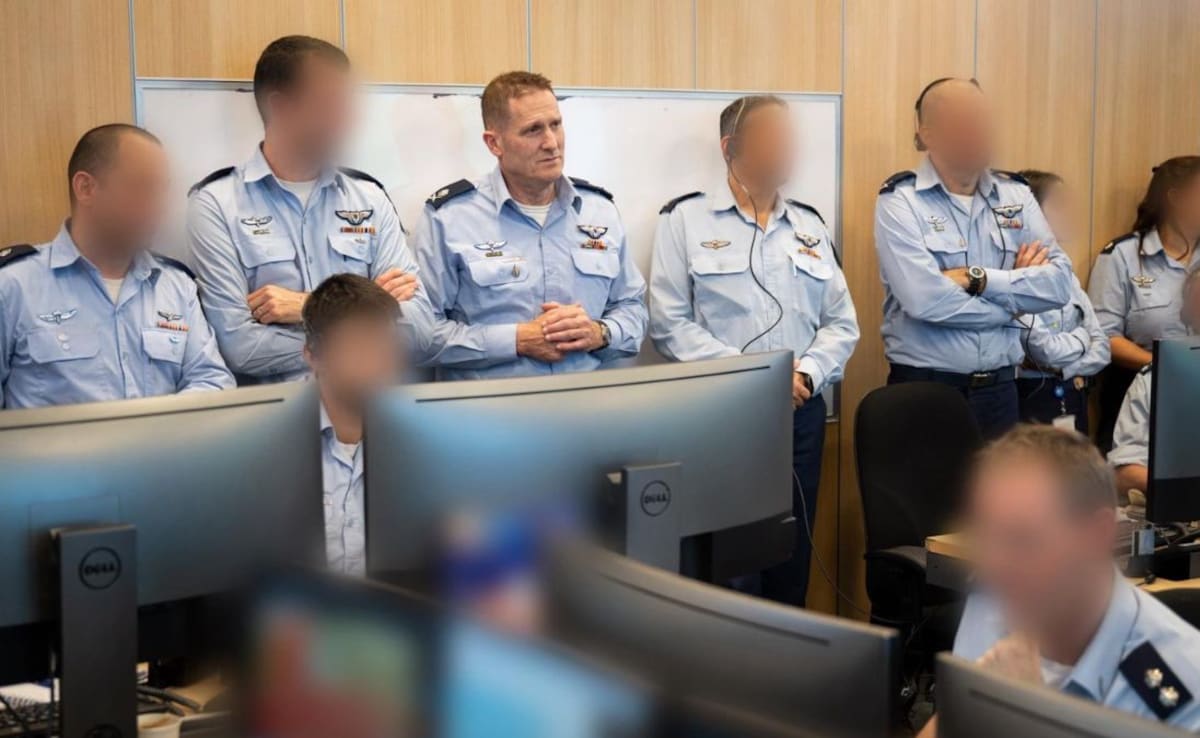
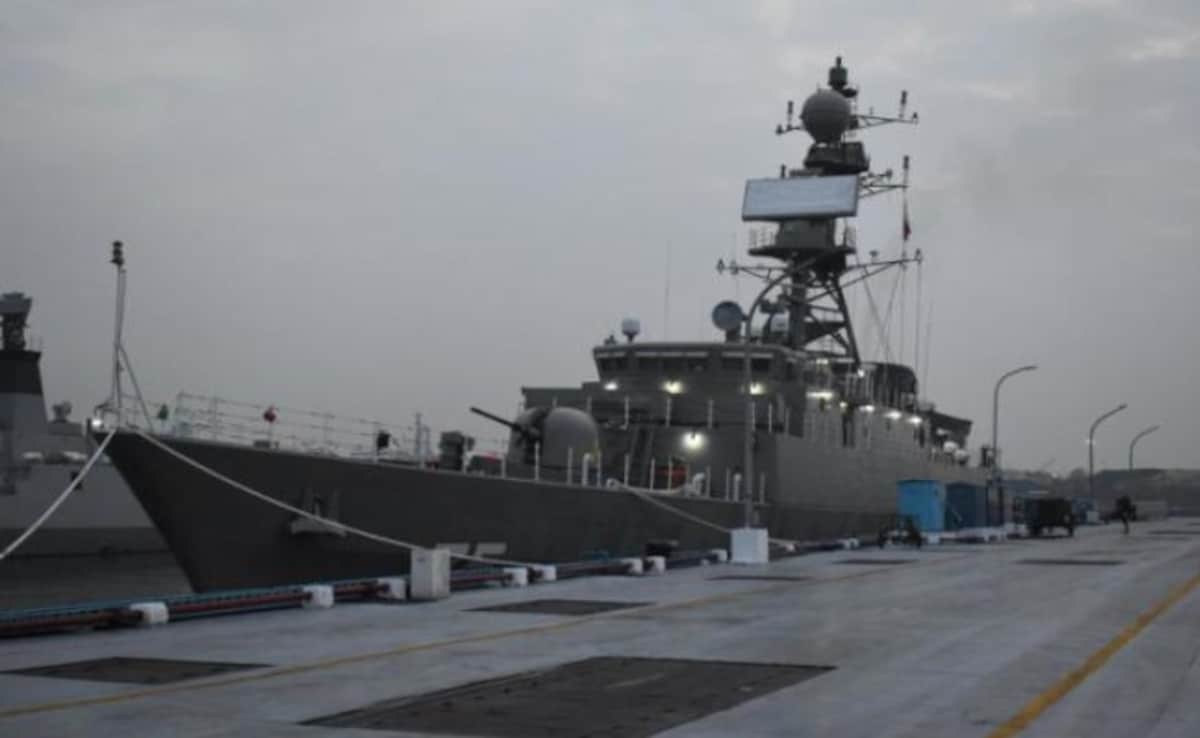
Washington is no longer just offering advice to Quito. The deployment of high-level military hardware and personnel signals a transition from "security cooperation" to a direct operational footprint. While the official narrative frames this as a standard support mission against narco-terrorist organizations, the intensity and speed of the buildup suggest a much broader geopolitical play. The U.S. is anchoring its presence in a region where it had previously lost significant ground, using the internal collapse of Ecuadorian security as the door to a permanent regional command center.
The shift happened quietly until it didn't. For months, the Biden administration dispatched low-profile delegations to assess the capabilities of President Daniel Noboa’s forces. Now, the rhetoric has hardened into "decisive action." This isn't merely about helping a neighbor clear out gangs; it is about securing a strategic corridor that prevents South American ports from becoming absolute black holes of intelligence.
Operational Reality on the Ground
The logistics of this campaign are more complex than the arrival of a few transport planes. Intelligence sources indicate that the U.S. Southern Command (SOUTHCOM) is integrating surveillance assets that go far beyond local needs. This includes advanced signals intelligence and persistent drone overwatch that can monitor not just the Guayaquil docks, but the entire maritime border.
Ecuador’s military is outmatched. They are fighting a decentralized enemy funded by the world's most profitable shadow economy. The cartels have better encryption, better weapons, and deeper pockets than many sovereign states. By stepping in, the U.S. provides the one thing Noboa lacks: the ability to see the enemy before they strike.
This intervention relies on the 2023 roadmap signed between the two nations, but the "decisive action" warning carries a different weight today. It implies that the U.S. will not tolerate further destabilization that might invite rival global powers to offer their own "security solutions" to the Andean nation.
The Cocaine Pipeline and Domestic Pressure
To understand why the Pentagon is moving now, look at the streets of American cities. The fentanyl crisis dominates headlines, but the cocaine trade is experiencing a massive resurgence in purity and volume. Ecuador has evolved from a quiet transit point into a primary staging ground for global distribution.
The port of Guayaquil is the center of this storm. It is one of the busiest hubs in South America, and it has become a logistical dream for the Balkan Cartel and Mexican syndicates. When the U.S. talks about "security," they are talking about maritime interdiction. They want to choke the supply at the source because once those containers hit the high seas, the chances of recovery drop to near zero.
But there is a darker side to this cooperation. History shows that when the U.S. military embeds deeply with a foreign force to fight an internal enemy, the line between "criminal" and "political dissident" often blurs. Human rights groups are already raising flags about the broad powers granted to the Ecuadorian military under Noboa’s state of emergency. If American intelligence leads to collateral damage or extrajudicial outcomes, the blowback won't stay within Ecuador's borders.
Avoiding the Ghost of Manta
The U.S. is walking a tightrope. In 2009, Ecuador evicted the U.S. from the Manta Air Base, a move that severely hampered regional counter-drug operations for a decade. The current administration knows it cannot simply build a massive, permanent base without sparking a nationalist revolt.
Instead, they are using a "distributed presence" model. This involves smaller, rotating teams and shared facilities that don't technically count as a "foreign base" under the Ecuadorian constitution. It’s a legal workaround that allows for the same operational tempo without the political headache of a formal treaty.
The Regional Power Vacuum
Ecuador is surrounded by neighbors who are either unable or unwilling to curb the tide of organized crime. Colombia is struggling with a stalled peace process and record coca production. Peru is paralyzed by its own internal political chaos. By establishing a "decisive" presence in Ecuador, the U.S. creates a stable platform in an otherwise volatile neighborhood.
This is also a message to Beijing. China has spent the last decade pouring money into South American infrastructure, including major ports and mines. By asserting a military and security dominance in Ecuador, the U.S. is reminding the region that while China might write the checks for the bridges, Washington still manages the security of the territory those bridges occupy.
The Risk of Mission Creep
What happens if the violence doesn't stop? "Decisive action" is a phrase that creates an expectation of victory. If the gangs continue to assassinate prosecutors and hijack television stations, the U.S. will face a choice: retreat and look weak, or double down and get pulled into a counter-insurgency war that has no clear exit.
The gangs in Ecuador are not a traditional army. They are a network of thousands of individuals embedded in the local economy. You cannot bomb a network that lives in the same apartment buildings as the people you are trying to protect. The military solution is a blunt instrument for a problem that requires surgical economic and judicial reform.
Hardware and Training Deployment
The specific assets being moved reflect a focus on tactical mobility. We are seeing a high volume of armored vehicles designed for urban environments and sophisticated night-vision gear. This suggests the U.S. expects the fighting to remain focused in the densely populated coastal cities rather than the jungle interior.
Training programs are also being overhauled. The U.S. is no longer just teaching basic marksmanship; they are training "vetted units" in the art of intelligence-led policing and high-value target acquisition. This is the same playbook used in the early days of Plan Colombia, a multi-billion dollar initiative that had mixed results in terms of long-term stability but successfully decapitated the major cartels of that era.
The Economic Leverage
Noboa needs this help to keep his government afloat. The violence has gutted the tourism industry and increased the cost of doing business to unsustainable levels. For the U.S., this provides immense leverage. Financial aid is now tied directly to security benchmarks.
If the Ecuadorian government wants access to the international credit markets and trade deals, they must play ball with the Pentagon's vision for the country. It is a classic "security-for-sovereignty" trade. The Ecuadorian public, exhausted by the daily threat of bombings and kidnappings, seems largely willing to accept this trade-off for now. But that goodwill has an expiration date if the American presence doesn't produce an immediate drop in the homicide rate.
The "decisive action" mentioned by officials is a gamble. It assumes that a surge of American technology and expertise can fix a problem rooted in decades of institutional corruption and poverty. If it works, the U.S. regains its foothold in South America. If it fails, Ecuador becomes the next failed state on the continent, with a front-row seat for Washington's latest foreign policy miscalculation.
The reality of the situation is that the U.S. has already committed. The "warning" was not just for the gangs; it was a signal to the world that the backyard is being fenced in. Whether the fence holds depends entirely on how far Washington is willing to go when the first American asset is targeted in the crossfire.
Monitor the cargo manifests at Quito’s Mariscal Sucre Airport. The volume of non-civilian hardware arriving in the next thirty days will tell you exactly how "decisive" this campaign is intended to be.