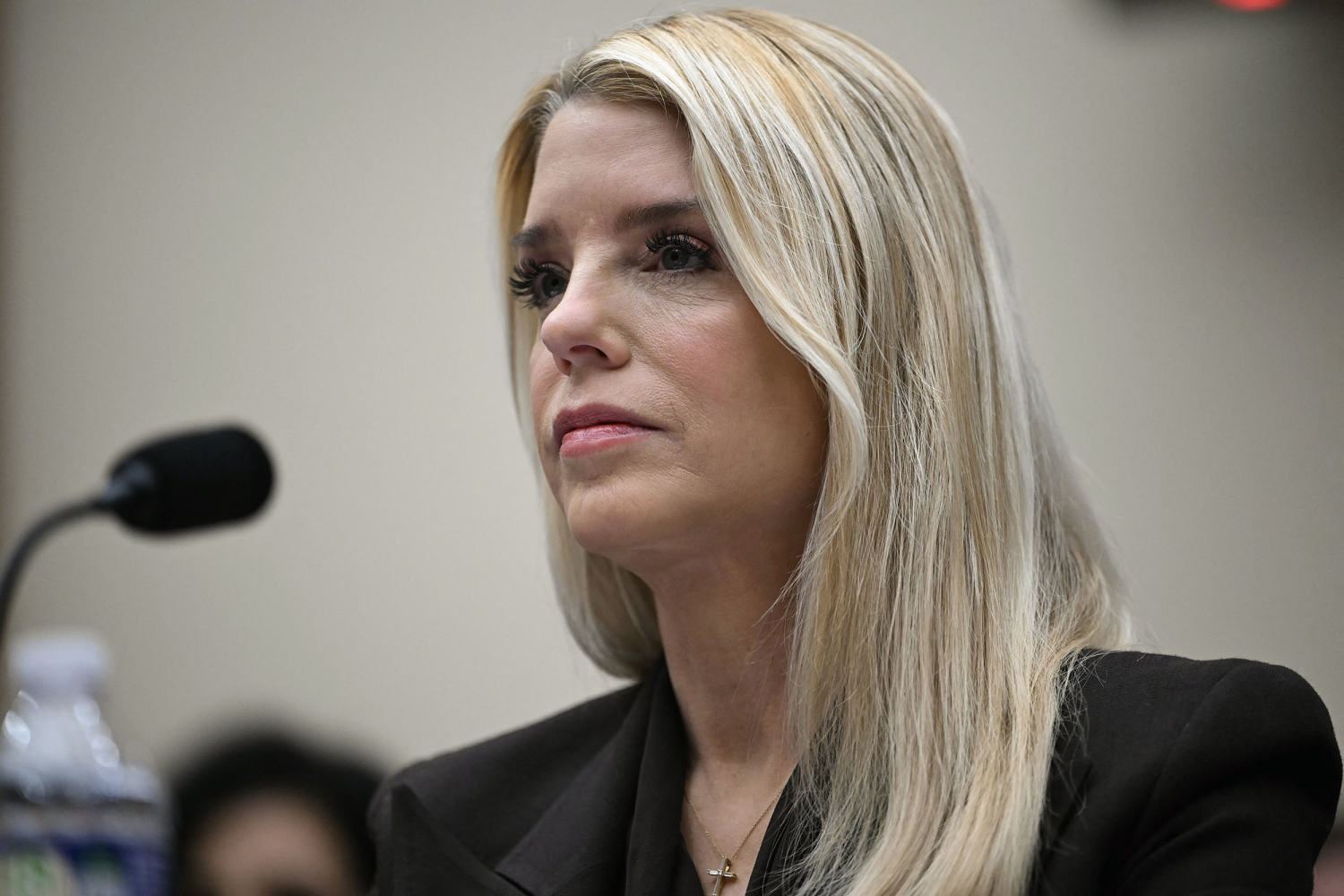
The House Oversight Committee just threw a massive wrench into the gears of the Department of Justice. By a vote of 24–19, the committee officially authorized a subpoena for Attorney General Pam Bondi. This isn’t just another bit of D.C. paperwork. It’s a direct challenge to the secrecy surrounding the Jeffrey Epstein files, and honestly, it’s about time.
If you’ve been following the absolute mess that is the Epstein document release, you know the frustration is boiling over. We’re in March 2026, and despite the Epstein Files Transparency Act being law, the public is still getting a filtered, redacted, and frankly confusing version of the truth. People want to know why names are still hidden and why the DOJ is dragging its feet.
The Bipartisan Rebellion You Didn't See Coming
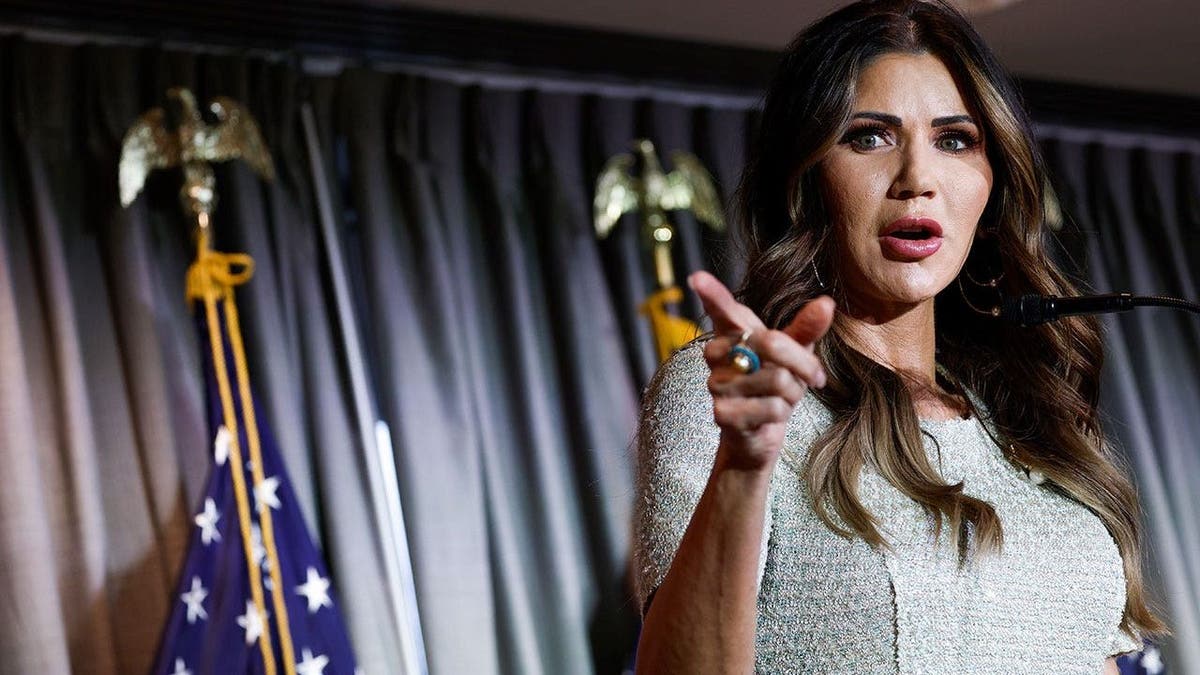
The most striking part of this vote wasn't the Democrats’ unified support. It was the five Republicans who broke ranks to join them. Nancy Mace, who introduced the motion, was joined by Lauren Boebert, Tim Burchett, Michael Cloud, and Scott Perry.
When you see that specific group of Republicans voting with the other side, you know the "business as usual" defense at the DOJ is failing. Mace hasn't been shy about her disgust, calling this "one of the greatest cover-ups in American history." She isn't just looking for a few more pages of text; she's looking for the missing audio, the missing video, and the logs that have mysteriously vanished from the public eye.
Bondi’s team tried to head this off at the pass. Chairman James Comer mentioned that Bondi’s chief of staff offered to give "small group briefings" to members at the DOJ. Nancy Mace’s response? "That’s nice." She basically laughed it off. A private briefing isn't a deposition. It isn't under oath. It isn't recorded for the public to see. The committee doesn't want a cozy chat; they want a recorded, transcribed session where Bondi has to answer for the 47,000 files that recently went "offline" for review.
Why the DOJ is Losing the Benefit of the Doubt
The Justice Department claims they’re just being careful. They say they’re protecting the identities of survivors. On the surface, that sounds noble. But then you look at the reality of what’s been released.
- Inconsistent Redactions: Lawmakers have pointed out that while some powerful names are protected, the actual victims have had their intimate details and even nude photos exposed due to "haphazard" redactions.
- The 47,000 File Gap: A recent analysis found a massive hole in the public archive. The DOJ says these were just "taken offline" for ensure compliance, but the timing is incredibly suspicious to anyone watching from the outside.
- Missing Trump Records: There are reports of missing FBI interview summaries regarding allegations against Donald Trump from the 1980s. When the DOJ selectively edits or delays files that involve the person who appointed the Attorney General, the "victim protection" excuse starts to feel paper-thin.
Bondi’s previous appearances haven’t helped her case. During a Judiciary Committee hearing last month, she famously pivoted to the stock market when asked about Epstein. Telling a room full of people seeking justice for a sex-trafficking ring that "the Dow is over 50,000" isn't just a dodge—it’s an insult. It showed a fundamental lack of interest in the committee’s actual oversight work.
What Happens When Bondi Takes the Stand
This subpoena compels Bondi to sit for a closed-door deposition. This is different from the grandstanding you see on TV during public hearings. This is where the real work happens.
The committee is going to grill her on the "active investigation" loophole. Under the Transparency Act, the DOJ can withhold files related to ongoing cases. Critics argue the DOJ is using this as a catch-all to hide anything embarrassing. You can bet Mace and the committee will demand to know exactly which investigations are still "active" and why they justify keeping millions of pages under lock and key.
The stakes are higher than just one person’s testimony. We’ve already seen Bill and Hillary Clinton sit for their depositions recently. Bill Clinton claimed he "did nothing wrong" and saw no signs of abuse. Hillary claimed she didn't even remember meeting the man. If the committee is willing to drag former presidents and first ladies into the room, they aren't going to let the current Attorney General slide with a few talking points about the S&P 500.
The Reality of the Epstein Files Transparency Act
Let’s be real about the law itself. The Epstein Files Transparency Act was supposed to be the end of the mystery. It required the release of all files by December 19, 2025. We are months past that deadline.
The DOJ has released over 3 million pages, but estimates suggest there are millions more. If you’re only giving the public half the story, you aren't being transparent—you’re managing the narrative. The fact that the Justice Department is still "reviewing" files that were mandated for release months ago is the primary reason this subpoena exists.
Bondi has a choice now. She can comply and finally provide the clarity the public is screaming for, or she can fight the subpoena in court, citing executive privilege. If she chooses the latter, it’ll only reinforce the "cover-up" narrative that Nancy Mace and Robert Garcia are pushing.
Your Move
If you're tired of the "trickle-down" information coming out of D.C., you should keep a close eye on the House Oversight Committee’s website over the next two weeks. That’s where the transcripts of these depositions eventually land.
Don't just wait for the 30-second clips on the evening news. Read the actual testimony when it’s released. Look for the gaps between what Bondi says and what the documents actually show. The only way this "cover-up" ends is if the public stays loud enough that the DOJ can't hide behind redaction pens anymore.
Watch the House Oversight Committee’s press gallery for the date of the deposition. That’s the day the real story starts to move again.