The Durand Line isn't just a border anymore; it's a front line in what looks like a full-blown war. Over the last few days, the tension between Pakistan and the Afghan Taliban has snapped. We're past the point of diplomatic sniping and occasional skirmishes. Pakistan's military just dropped a bombshell claim: they've killed over 300 Afghan Taliban fighters and allied militants in a massive retaliatory operation.
If you've been following the region, you know the "brotherly" rhetoric between these two has been rotting for years. But this? This is different. Operation Ghazab lil-Haq (Righteous Fury) is a massive kinetic response to what Islamabad calls unprovoked aggression. While global powers are begging for restraint, the boots on the ground tell a much bloodier story.
The numbers behind Operation Ghazab lil-Haq
Pakistan's Information Minister, Attaullah Tarar, hasn't been shy about the body count. He claims 297 Afghan Taliban personnel were "sent to hell," with the total figure of dead and injured climbing well past 700. These aren't just guesses; the military says they've destroyed 102 Afghan posts and captured another 22.
Wait, there's more. The hardware losses are staggering. Pakistan claims to have taken out 163 tanks and armored vehicles at 37 different locations. If these numbers are even half-accurate, the Taliban's conventional military capability near the border has been gutted in less than a week. The Pakistan Air Force has been busy too, striking 29 locations deep inside Afghan territory, including areas near Kabul and Kandahar.
A breakdown of the reported losses
- Casualties: 331+ Afghan forces killed, 500+ wounded (according to Pakistan).
- Infrastructure: 102 Afghan border posts destroyed, 22 captured.
- Armor: 163 tanks and armored vehicles destroyed.
- Airstrikes: 46 locations hit across Afghanistan, including Bagram Air Base.
Why the Taliban is hitting back
Kabul isn't just sitting there taking it. The Taliban government has dismissed these casualty figures as pure propaganda. Their deputy spokesman, Hamdullah Fitrat, says the numbers are fake and that Pakistan is actually targeting civilians in Paktika, Khost, and Kunar. They claim 52 people have died, mostly women and children.
It's a classic case of "he said, she said" with high-caliber bullets. The Taliban even claimed they shot down a Pakistani fighter jet and captured the pilot. Pakistan called that a flat-out lie. But the fact that the Taliban is firing anti-aircraft guns over Kabul shows how jumpy things have gotten. They're trying to send a message that their "hands can reach the throats" of their neighbors. It's a messy, dangerous escalation that doesn't have an easy off-ramp.
The TTP problem that won't go away
At the heart of this chaos is the Tehreek-e-Taliban Pakistan (TTP). Pakistan is tired of playing nice. They've told the Afghan Taliban to make a "clear choice": either you're with us, or you're with the terrorists. Islamabad's view is simple. They believe the Afghan Taliban provides safe haven, training, and logistics to the TTP so they can sneak across the border and kill Pakistanis.
The Afghan Taliban denies this, of course. They say they don't allow anyone to use their soil against others. But the spike in terror attacks inside Pakistan—like the mosque bombing in Islamabad and checkpoint hits in Bajaur—suggests someone is giving these groups a place to sleep. Pakistan's patience has basically hit zero.
Global powers are getting nervous
Nobody wants a war between two heavily armed neighbors, especially when one of them has nuclear weapons. The UN and the EU are doing the usual routine of "calling for restraint." Iran, Saudi Arabia, and Qatar are trying to jump in as mediators. Even Donald Trump has weighed in, saying he gets along "very, very well" with Pakistan.
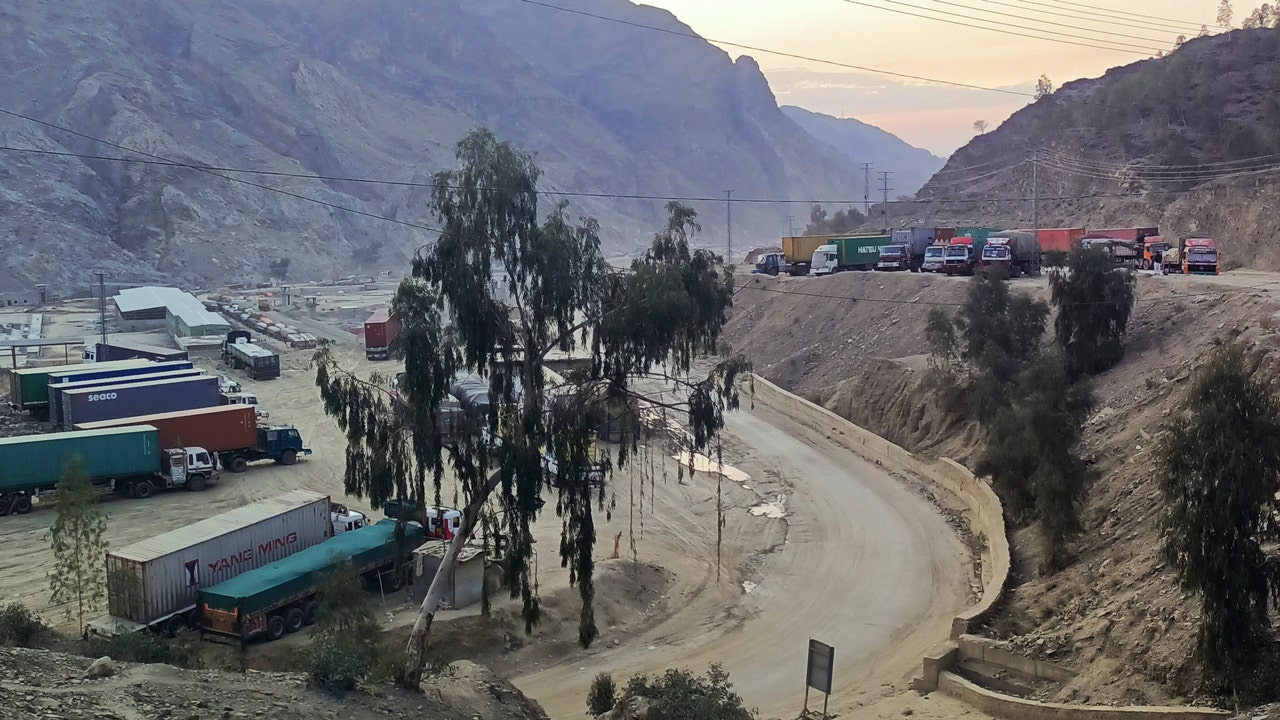
But talk is cheap when the artillery is firing. The US has issued travel advisories, and the UN is worried about a massive humanitarian crisis. People living near the Torkham border crossing are already packing their bags and fleeing. They've seen this movie before, and it usually ends with their homes in ruins.
What happens if this escalates?
- Regional Instability: A full-scale war could draw in India or Iran, making the whole region a tinderbox.
- Refugee Crisis: Thousands are already displaced; a longer conflict could send millions toward the borders.
- Terrorist Resurgence: Groups like ISIS-K and Al-Qaeda love a good power vacuum. They'll use the chaos to regroup.
The choice Kabul has to make
The Pakistan Army spokesperson, Lt Gen Ahmad Sharif Chaudhry, wasn't stuttering when he said there's no middle ground. The "master proxy" label they've slapped on the Afghan Taliban is a heavy one. It means Pakistan no longer sees them as a legitimate government but as a facilitator for militant groups.
If you're looking for a silver lining, there isn't much of one right now. The Taliban needs to prove they can control their territory, or Pakistan is going to keep using the "Righteous Fury" playbook. The border is a mess, the rhetoric is toxic, and the casualties are mounting.
You should keep a close eye on the Torkham and Chaman border crossings. If those stay closed for long, the economic hit to both countries will be brutal. You might also want to track the movements of the TTP leaders; if they start showing up in Pakistani custody, we'll know the Taliban gave in. Otherwise, expect more airstrikes and more "open war" declarations. This isn't ending tonight.