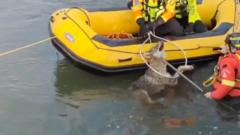
The survival of an apex predator in a human-engineered hydraulic system is not a matter of chance but a function of biological endurance versus mechanical constraints. When a wolf enters a concrete irrigation canal in northern Italy, it transitions from a high-tier terrestrial hunter to a captive of a low-friction, high-velocity kinetic trap. The recent rescue in the Po Valley serves as a case study in the intersection of wildlife biology, hydraulic engineering, and multi-agency tactical response.
The Physics of the Hydraulic Trap
Irrigation canals in the northern Italian plains are designed for maximum fluid efficiency. This efficiency is achieved through three specific engineering choices that create a lethal environment for non-aquatic mammals:
- Gradient and Velocity: The smooth concrete lining minimizes turbulence, allowing water to maintain a high flow rate with minimal head loss. For a wolf, this means the energetic cost of maintaining a stationary position against the current exceeds its metabolic output.
- Bank Geometry: The trapezoidal cross-section of these canals often features slope angles exceeding 45 degrees. When combined with algae growth or silt deposits, the coefficient of friction drops below the threshold required for canine claws to gain purchase.
- The Thermal Sink: Water temperatures in alpine-fed canals remain significantly lower than the wolf’s core body temperature. Hypothermia induces muscle rigor, which eventually compromises the animal’s ability to keep its airway above the waterline.
Biological Stress Response and the Capture Window
The extraction of a wolf is fundamentally different from a domestic canine rescue due to the Capture Myopathy risk. This is a non-infectious metabolic disease resulting from extreme exertion, struggle, or stress.
The physiological sequence begins with an adrenaline surge that triggers anaerobic glycolysis. This process produces lactic acid at a rate that the wolf's circulatory system cannot clear. As the blood pH drops (acidosis), the animal faces potential organ failure, even after the physical threat has been removed. Rescuers must operate within a "Golden Hour" where the animal is exhausted enough to be approachable but not so physiologically degraded that the stress of the rescue itself becomes fatal.
The Tactical Extraction Framework
A successful wildlife extraction from a high-flow canal follows a rigid hierarchy of operations: Containment, Sedation, and Mechanical Lift.
Phase I: Containment and Positioning
Because the wolf is swept downstream, the response team must establish a downstream intercept point. In the northern Italy incident, this involved the use of specialized catch-poles and nets. The objective is not to pull the animal against the current, which increases the risk of drowning, but to guide the animal’s momentum toward a shallow bank or a specialized extraction ramp if one exists.
Phase II: Chemical Immobilization
Using a tranquilizer dart in a water-based environment is high-risk. If the sedative takes effect while the wolf is in deep water, it will drown. The veterinary team must time the administration of drugs—typically a combination of ketamine and medetomidine—so that the induction period coincides with the animal being physically secured by a net or reaching a shallow shelf.
Phase III: Mechanical Extraction
Once the animal is unconscious or physically restrained, the challenge shifts to the weight-to-angle ratio. A mature male wolf in this region can weigh between 30 and 40 kilograms. Lifting this weight up a 50-degree wet concrete slope requires a coordinated pulley system or a multi-person lift. In the Po Valley case, the fire brigade (Vigili del Fuoco) utilized a specialized harness system to provide the vertical lift necessary to clear the canal lip.
Infrastructure as a Mortality Driver
The presence of wolves in the Po Valley is a result of the "Green Infrastructure" paradox. As reforestation and protection laws allow apex predators to expand their range, they inevitably collide with the legacy "Grey Infrastructure" of the 20th century.
The canal networks are essentially invisible barriers that fragment the wolf's hunting territory. Unlike a highway, which is a visible and often avoidable obstacle, a canal represents a sudden drop-off. If the wolf attempts to cross or drink, the transition from solid ground to a high-velocity fluid environment occurs in milliseconds.
The logistical bottleneck in these rescues is often the lack of Escape Ramps. Modern ecological engineering suggests that canals should be retrofitted with roughened surface strips or "stairs" every 500 meters. These modifications do not significantly impact hydraulic flow but provide the necessary friction for a trapped animal to exit the system without human intervention.
Post-Extraction Clinical Protocols
After the wolf is removed from the water, the focus shifts to immediate clinical stabilization. The primary threats are:
- Aspiration Pneumonia: If the wolf inhaled canal water during the struggle, the bacteria and debris can cause rapid-onset lung infection.
- Reperfusion Injury: If the animal's limbs were pinned or restricted during the rescue, the return of blood flow can flush toxins into the heart.
- Thermoregulation: The immediate application of thermal blankets is required to halt the drop in core temperature.
In the Italian context, the wolf is typically transported to a specialized wildlife center for 24–48 hours of observation. Data from these centers indicates that the "Release-to-Wild" success rate is highly correlated with the duration of the struggle. Animals extracted within the first 30 minutes of entry have a 90% higher survival rate than those whose struggle exceeds two hours.
Strategic Mitigation for Regional Authorities
The recurrence of these incidents necessitates a shift from reactive rescue to proactive infrastructure management. The cost-benefit analysis of deploying a full fire brigade and veterinary team for a single wolf rescue—often involving 10+ personnel and specialized equipment—favors the one-time capital expenditure of canal retrofitting.
For regional planners in northern Italy, the strategic play involves:
- Mapping High-Density Transit Zones: Using GPS collar data from existing packs to identify where wolf paths intersect with major irrigation arteries.
- Installing Floating Deflectors: Implementing angled floating barriers that guide drifting objects (and animals) toward the banks where extraction or escape is possible.
- Automated Detection Systems: Utilizing thermal imaging cameras at known "trap points" to alert local authorities immediately upon an entry event, drastically shortening the response time and reducing the risk of capture myopathy.
The Po Valley rescue was a tactical success but an indicator of a systemic failure in landscape connectivity. The long-term viability of wolf populations in industrialized agricultural zones depends on the "permeability" of the infrastructure we have built. Without integrated escape mechanisms, these canals will continue to act as passive culling systems for expanding wildlife populations.
Regional environmental agencies should prioritize the installation of textured "escape ladders" at 250-meter intervals in the segments of the canal network that intersect with known wildlife corridors. This movement from a labor-intensive "rescue" model to an "escape" model reduces operational strain on emergency services and maximizes the survival probability of the protected species.