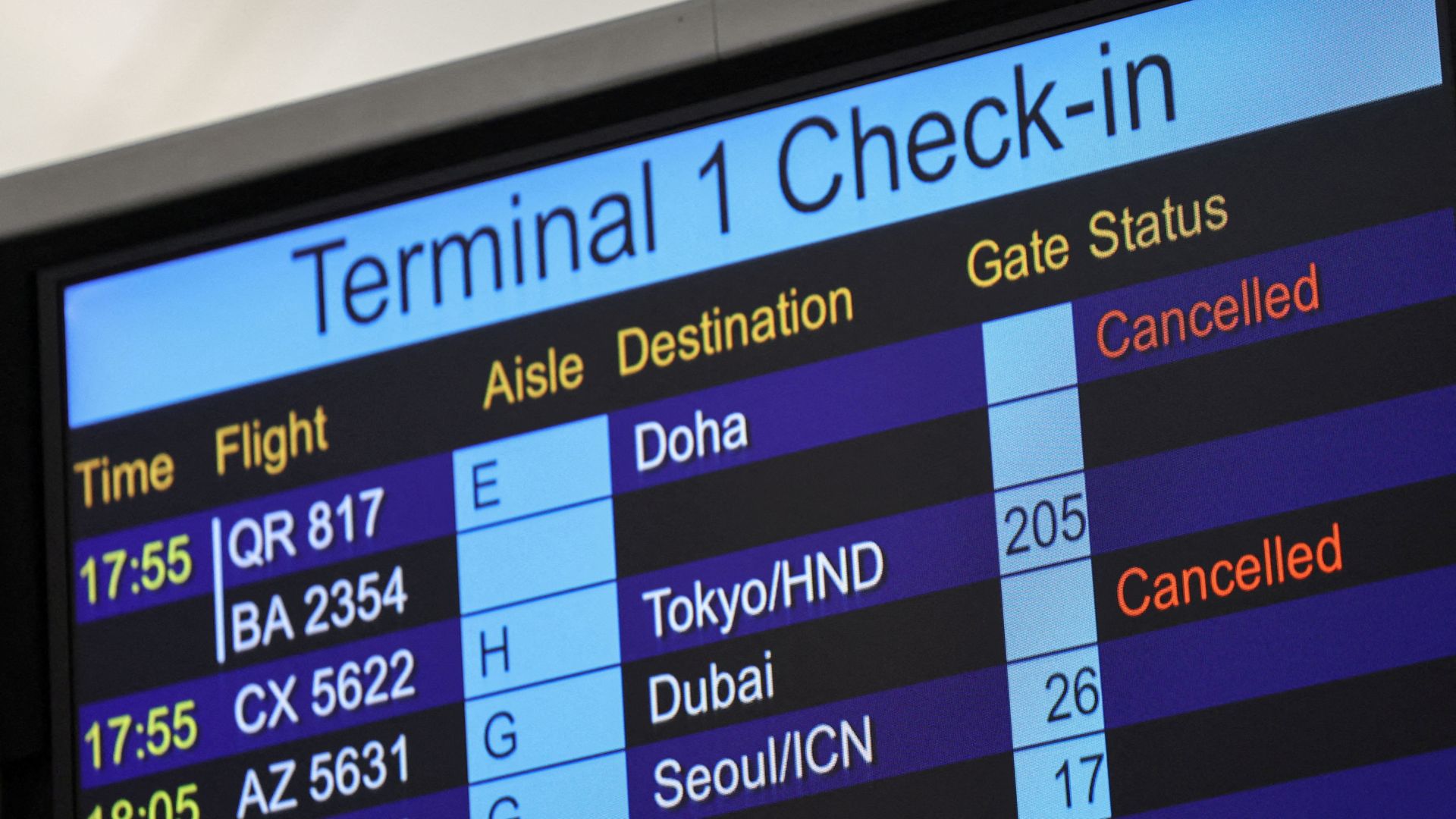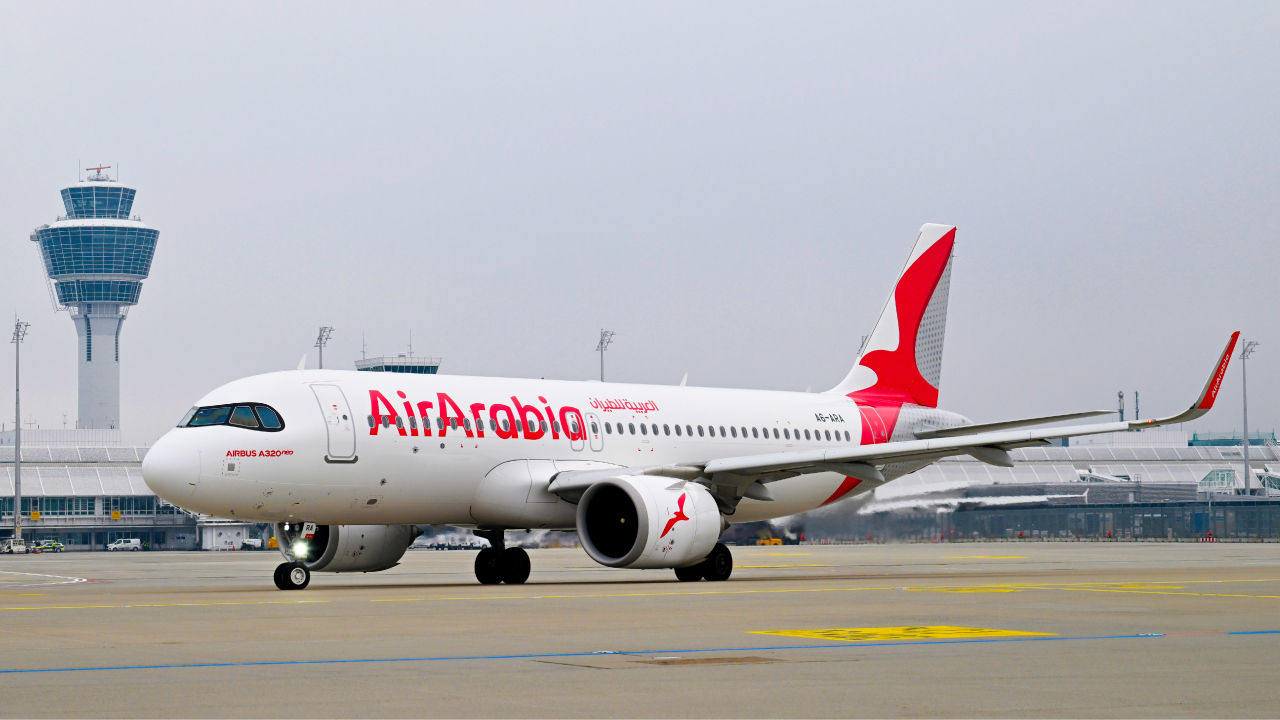
Air Arabia’s decision to extend its flight suspension through March 9 is not a localized logistical delay; it is a manifestation of the Geopolitical Risk Premium currently taxing the Middle Eastern aviation sector. For travelers and corporate entities, the extension signals a breakdown in the predictability of the regional "hub-and-spoke" model. Understanding the mechanics of this suspension requires looking past the surface-level inconvenience to the underlying variables of airspace sovereignty, insurance liability thresholds, and the operational limits of Low-Cost Carriers (LCCs) in high-friction environments.
The Anatomy of the Suspension
The suspension extension serves as a defensive response to a volatile risk profile. In aviation, "Safety of Flight" is a binary metric, but "Operational Viability" is a spectrum. Air Arabia, operating out of Sharjah (SHJ), manages a fleet and route network that relies on high aircraft utilization. When a specific corridor—in this case, routes connecting the UAE to Lebanon—becomes untenable, the carrier faces a cascading failure of its schedule.
Three primary levers forced this extension:
- Airspace Ingress and Egress Constraints: The inability to guarantee safe passage through specific flight information regions (FIRs) creates a "dead zone" in the route map. If the risk of a kinetic event exceeds the actuarial tolerances of the airline's hull insurance, the flight cannot legally or financially proceed.
- Regulatory Feedback Loops: The UAE General Civil Aviation Authority (GCAA) maintains a constant intelligence feed. When an airline extends a suspension, it often indicates that the GCAA's assessment of the threat level remains at a "Red" or "No-Fly" status, overriding the commercial desire to capture ticket revenue.
- The LCC Turnaround Constraint: Unlike legacy carriers that might absorb the cost of longer, circuitous rerouting, Air Arabia’s business model is predicated on short turnarounds and fuel efficiency. If a reroute adds 60 minutes of flight time, the fuel burn and crew hour inflation negate the profit margin of the entire flight cycle.
Mapping the Ripple Effect: The Logistics of Stranded Assets
When an airline halts operations to a specific node like Beirut, the disruption propagates through the global travel network via three distinct mechanisms of failure.
The Connecting Passenger Bottleneck
Sharjah serves as a transit point for passengers moving between the Indian subcontinent, Africa, and the Levant. A suspension on the Sharjah-Beirut leg creates a massive backlog of "stranded demand." These passengers cannot simply be moved to another flight, as the capacity on competing carriers (such as Emirates or flydubai) is already nearing 90% load factors during peak periods. The result is a total evaporation of transit liquidity.
The Insurance Hull Risk Multiplier
Airlines do not operate in a vacuum of risk. They are bound by War Risk Insurance clauses. If an aircraft is damaged due to a kinetic conflict, and the airline was warned of the risk, the payout can be voided. By extending the suspension to March 9, Air Arabia is effectively signaling that their underwriters have not cleared the route for coverage. This is a cold, calculated financial necessity, not merely a safety precaution.
Crew Resource Management (CRM) Erosion
Pilots and cabin crew are subject to strict "Flight and Duty Time Limitations" (FTL). When a route is suspended, the crew rotations are thrown into chaos. Pilots scheduled for Beirut cannot easily be swapped into a flight to Mumbai without violating rest requirements or specific type-rating cycles. This creates an "operational hangover" where, even if the airspace reopens on March 10, the airline may still experience delays for 48–72 hours as they reset their crew rosters.
The Economic Cost Function of a 72-Hour Extension
To quantify the impact, one must look at the Opportunity Cost of Grounded Airframes. A Boeing 737 or Airbus A320 generates zero value while sitting on the tarmac at SHJ.
- Fixed Costs: Hangarage, lease payments, and salaried staff continue to deplete the cash reserve.
- Variable Costs: While fuel isn't burned, the airline incurs "reprotection costs." This is the expense of rebooking passengers on other airlines or providing hotel vouchers and meals.
- Brand Equity Decay: In a region where flydubai and Air Arabia compete for the same price-sensitive demographic, a lack of reliability is a long-term liability. Frequent flyers will migrate to the carrier that demonstrates the highest "recovery velocity"—the speed at which they resume normal operations after a crisis.
Strategic Responses for Impacted Travelers
The current situation demands a departure from standard travel behavior. Passive waiting is a high-risk strategy given the likelihood of further rolling extensions.
The Multi-Modal Pivot
If the objective is reaching the UAE from a suspended zone, the primary solution is a ground-to-air bridge. Travelers are increasingly utilizing bus or private transport to nearby stable hubs (such as Amman, Jordan) to catch a flight from an unaffected FIR. This adds 6–10 hours of travel time but bypasses the total paralysis of the local airport.
The Refund vs. Voucher Trap
Under UAE aviation law and Air Arabia's specific Terms and Conditions, a flight cancellation by the carrier entitles the passenger to a full refund. However, airlines often default to offering "Travel Credit." From a liquidity standpoint, the airline prefers you take the credit. From a consumer standpoint, the refund is the only logical choice, as it provides the cash necessary to book an immediate alternative on a competitor that may still be flying (at a significant premium).
Travel Insurance Trigger Points
Most standard travel insurance policies contain a "Force Majeure" or "Civil Unrest" exclusion. If the suspension is officially categorized as a security measure related to conflict, the passenger may find their claims for hotel expenses denied. It is essential to obtain a formal "Flight Cancellation Letter" from Air Arabia that specifies the reason for the suspension. If the reason is "Operational Reasons," insurance is more likely to pay out than if the reason is "Regional Conflict."
Structural Fragility in the Levant Aviation Corridor
The ongoing volatility highlights a structural flaw in the Middle Eastern aviation market: the lack of a secondary "relief valve." When the UAE-Lebanon corridor closes, there is no high-speed rail or ferry system to absorb the capacity. The entire system is dependent on a narrow band of sky.
This creates a Single Point of Failure for regional trade and migration. The Lebanese diaspora in the UAE, numbering over 150,000, relies on these flights for the movement of people and small-scale cargo (remittances and goods). A suspension lasting more than seven days begins to impact the informal supply chains that sustain the Levant economy.
The second-order effect is the "Congestion Surcharge" on remaining routes. As Air Arabia exits the market temporarily, the remaining seats on Middle East Airlines (MEA) or other carriers see an immediate price surge, often exceeding 300% of the base fare. This is not price gouging in the legal sense, but rather the automated result of algorithmic pricing hitting the ceiling of available inventory.
Determining the Probability of a March 10 Reopening
Predicting the resumption of service requires monitoring three specific indicators:
- NOTAM Issuance: Notice to Air Missions (NOTAMs) issued by the Lebanese DGCA and the UAE GCAA are the definitive legal markers. If a NOTAM covering the Beirut FIR is extended past March 9, the airline will follow suit regardless of its public statements.
- Insurance Surcharge Fluctuations: The London insurance market (Lloyd’s) sets the tone for regional risk. If the "War Risk" premium for aircraft landing in Beirut drops, it indicates that the intelligence consensus sees a de-escalation.
- Fleet Positioning: Watch the ADS-B transponder data for Air Arabia’s fleet. If the airline begins moving "deadhead" flights (empty planes) toward the Levant on March 8 or 9, it signals an internal confidence that the corridor is reopening.
The strategic play for any entity with personnel in the region is to liquidate current Air Arabia bookings for cash immediately and secure "Flex-Fare" seats on a carrier with a diversified route network. Betting on a March 10 resumption is a speculative move; diversifying your exit nodes is an operational one. If the suspension extends again, the price of the "last seat out" from alternative hubs will become prohibitive. Identify the secondary hub—likely Amman or Cairo—and secure a seat on a separate ticket now as a hedge against a further 72-hour rolling delay.