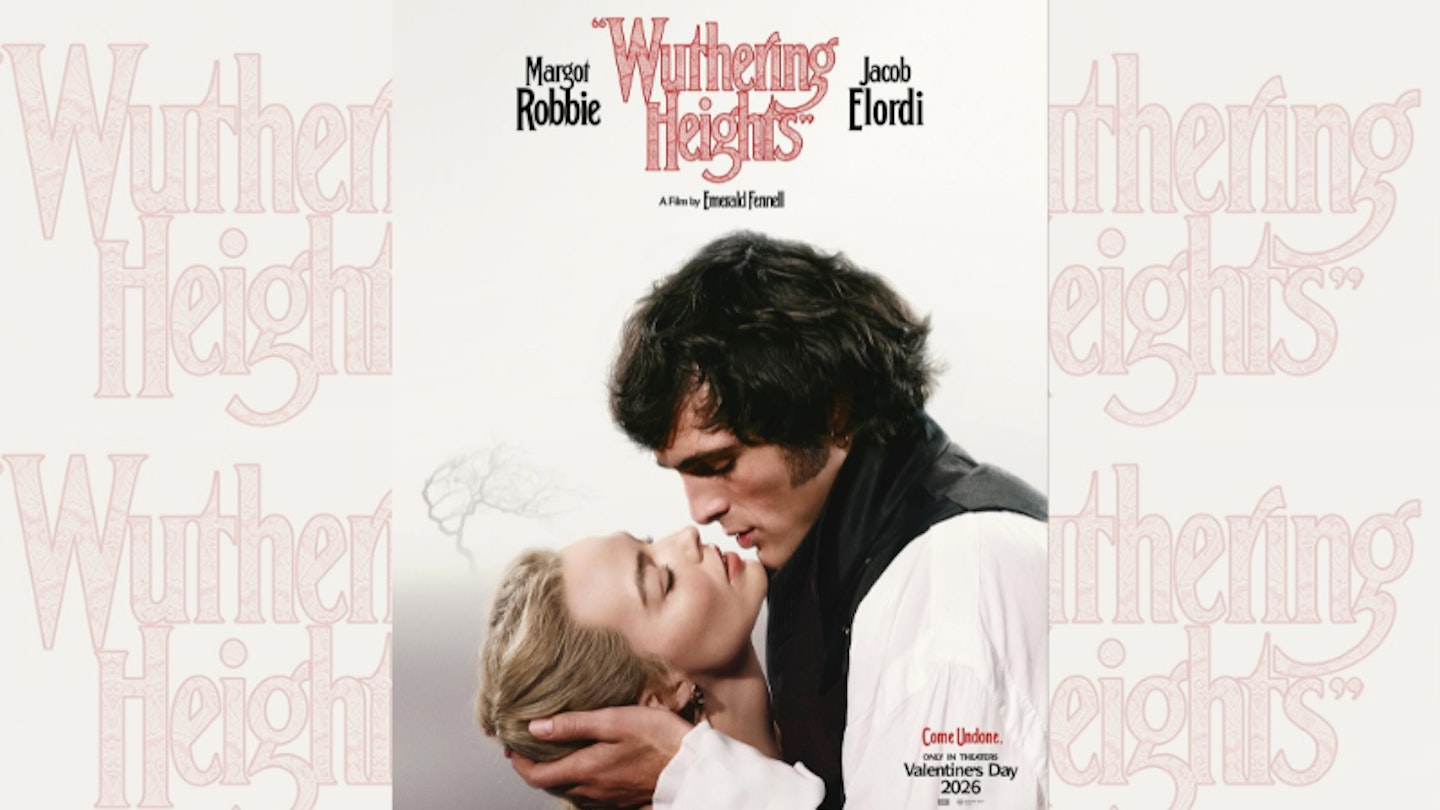
Emerald Fennell’s upcoming take on Wuthering Heights is already rubbing people the wrong way, and honestly, it’s not hard to see why. When the news broke that Margot Robbie and Jacob Elordi were cast as Catherine and Heathcliff, the internet didn't just whisper; it roared. We’re talking about a book that is essentially the blueprint for toxic, soul-crushing obsession. It’s a story where the characters don't just love each other—they haunt each other. They want to be buried in the same grave. They want to tear the world down because they can’t be together.
But the early buzz suggests we're getting something "bold and filthy." That sounds fine on paper. Modern audiences aren't scared of a little dirt or some explicit tension. The problem is that "filthy" doesn't always mean "hot," and in the case of the moors, if you don't get the yearning right, the rest of it just feels like aesthetic posturing. If this adaptation wants to survive the scrutiny of Brontë purists and Gen Z cinephiles alike, it needs to stop worrying about being "edgy" and start worrying about being devastating.
The Problem With Pretty People on the Moors
Let's talk about the casting. Jacob Elordi is everywhere right now. He’s talented, sure, but he has a very specific, polished energy. Heathcliff isn't supposed to look like he just stepped off a runway in Milan. He’s a man forged by abuse, racism, and a literal lifetime of bitterness. He’s "dark-skinned" and "gypsy-like" in the original text, a detail that many Hollywood versions conveniently ignore to keep things palatable for a mainstream audience.
When you cast actors who are peak Hollywood "pretty," you risk losing the grit. The moors are a character themselves. They're cold, wet, and unforgiving. If Catherine and Heathcliff look like they have a 10-step skincare routine, the illusion breaks. To make this work, the film needs to lean into the ugliness. These characters aren't "goals." They're disasters. They’re "filthy" not just because they might have sex on screen, but because their souls are stained by their circumstances.
The eroticism in Wuthering Heights isn't about physical acts. It's about the psychological boundary-crossing. It’s Catherine saying, "I am Heathcliff." That’s more intimate than any bedroom scene could ever be. If Fennell focuses too much on the "fantasy" element and not enough on the visceral, painful connection, it'll just be another period piece that looks great but feels hollow.
Why Gothic Horror Needs Real Sweat and Dirt
The gothic genre thrives on the "sublime"—that mix of beauty and terror. Most adaptations lean too hard into the beauty. They give us flowing dresses and misty hills. What they miss is the terror of wanting someone so much it actually hurts.
The Aesthetic vs The Feeling
- The Aesthetic: Perfectly curated candlelit rooms and clean linen.
- The Reality: Mud-caked boots, unwashed hair, and the smell of peat smoke.
- The Feeling: A frantic, desperate need to be seen by the only person who understands your darkness.
If this version is going to be "bold," it needs to show the physical toll of living at Wuthering Heights. It’s a house of violence. Heathcliff is a man who hangs spaniels and crushes hopes. Catherine is a woman who literally makes herself sick because she can’t cope with her own choices. You can’t gloss that over with a high-fashion filter. You need to show the sweat. You need to show the desperation.
The Heat is in the Yearning
There’s a reason why the 2011 Andrea Arnold version of Wuthering Heights still sticks in people’s minds. It was almost silent. It focused on the sounds of the wind and the touch of hands against rough stone. It understood that the "heat" comes from the frustration of being apart.
Modern films often mistake explicitness for intensity. They think that showing more skin automatically makes a scene more erotic. In the world of the Brontës, the most erotic thing you can do is stare at someone across a room while everyone else is talking about the weather. It’s the hand-touch in Pride and Prejudice, but dialed up to an eleven of madness.
Breaking the "Safe" Period Drama Mold
We’ve seen enough "safe" adaptations. We’ve seen the ones where everything is resolved with a polite bow. Wuthering Heights isn't that. It’s a "filthy fantasy" because it’s a dream of total possession. It’s the fantasy that someone could love you so much they’d refuse to let you rest in peace. To capture that, the camera needs to stay close. It needs to feel claustrophobic.
If the moors don't feel like a prison, the escape doesn't matter. The erotic heat isn't a luxury here; it's a survival mechanism. It’s the only warmth in a cold, cruel world. If the film misses that, it’s just two attractive people playing dress-up in Yorkshire.
Navigating the Politics of the Casting
We can't ignore the conversation around Heathcliff’s ethnicity. For decades, he’s been white-washed. While Elordi is a massive star, his casting feels like a step backward for those who wanted to see a more accurate representation of the "Lascar" or "Spanish" descriptions in the book. This choice shifts the "boldness" away from social commentary and squarely into the "star power" category.
To compensate, the writing has to be sharp. It has to address why these two are outsiders. It’s not just because they’re "wild." It’s because the society around them—represented by the Grange—has no place for their brand of raw, unfiltered humanity.
How to Actually Fix the Gothic Adaptation
If you’re a filmmaker tackling this, you don't look at Bridgerton. You look at The Witch or Bones and All. You look at movies that understand that the body is a site of both pleasure and horror.
- Prioritize Sound over Music: The wind on the moors should be deafening. It should make the audience feel the isolation.
- De-glam the Leads: Let Margot Robbie look exhausted. Let Jacob Elordi look genuinely threatening.
- Focus on the "Small" Moments: A look, a breath, a bruise. These tell the story of Wuthering Heights better than a sprawling wide shot ever could.
- Lean into the Ghost Story: Remember, this is a horror story. Heathcliff asks Catherine to haunt him. That’s the energy we need.
The moors don't just need more heat; they need a different kind of fire. Not the kind that glows warmly in a hearth, but the kind that burns the house down. If Fennell is truly going for a "bold" version, she needs to stop being polite. Don't give us a romance. Give us the haunting we were promised.
If you're planning to revisit the story before the movie drops, skip the SparkNotes. Re-read the original text with an eye for the sensory details—the way Brontë describes the "creaking" of the house and the "blood" on the windowpane. That’s where the real filth lives. Go back to the source and see if you still think a Hollywood makeover is what this story needs.