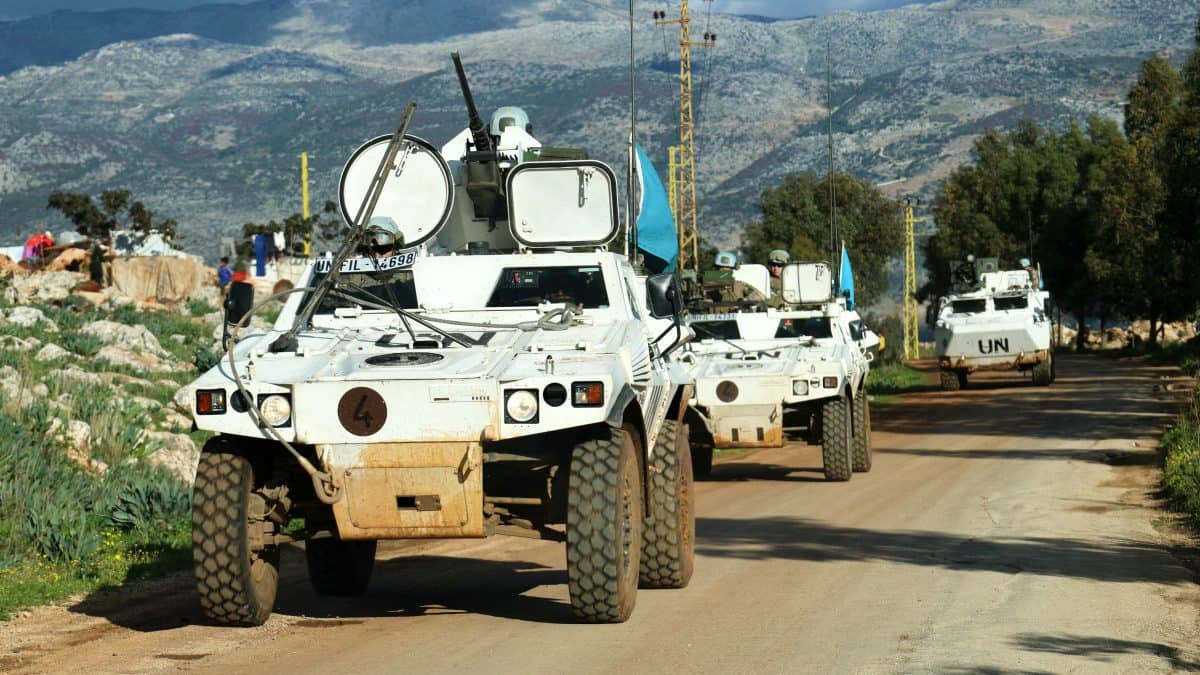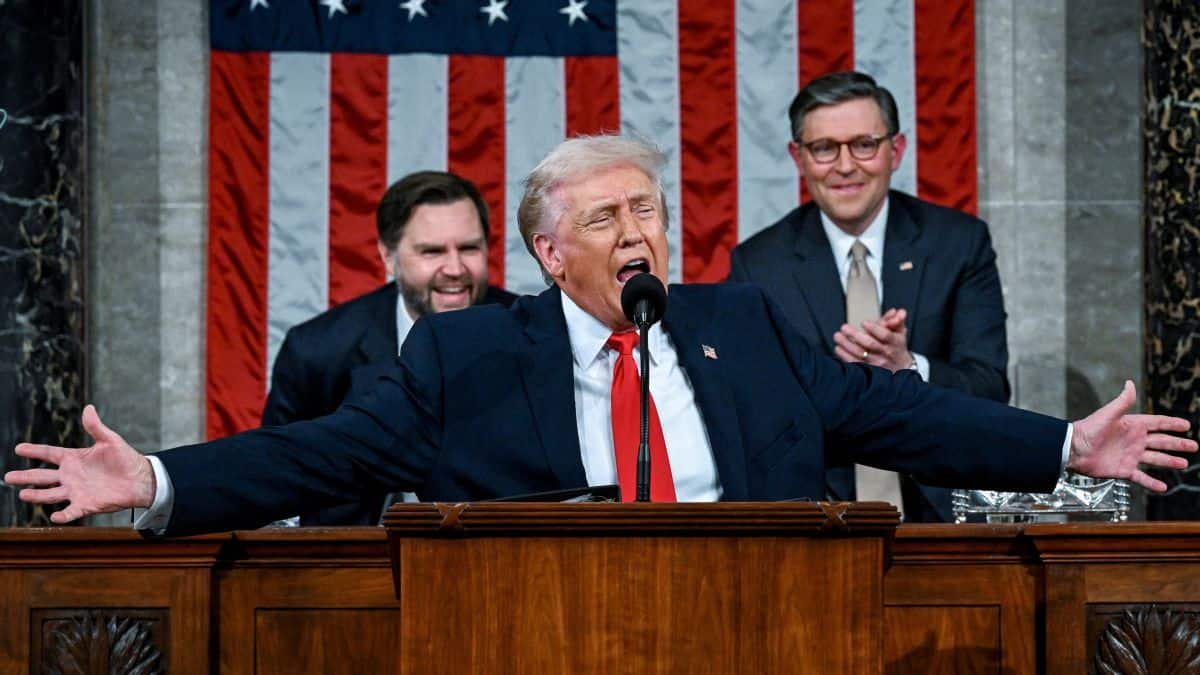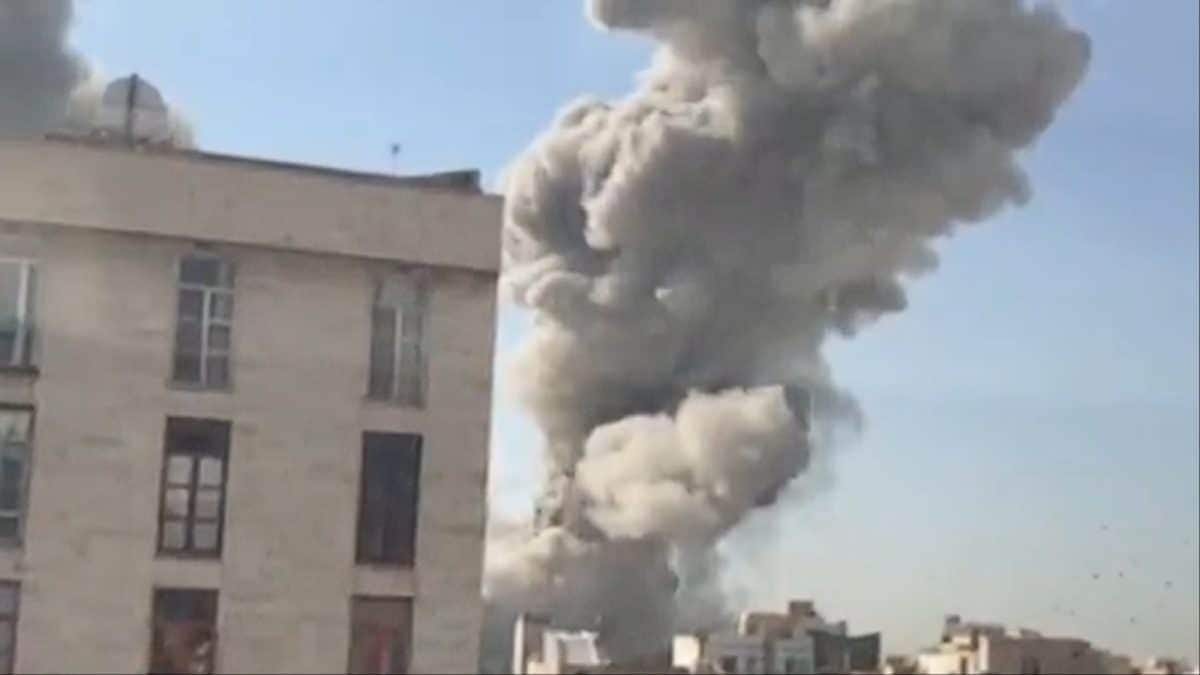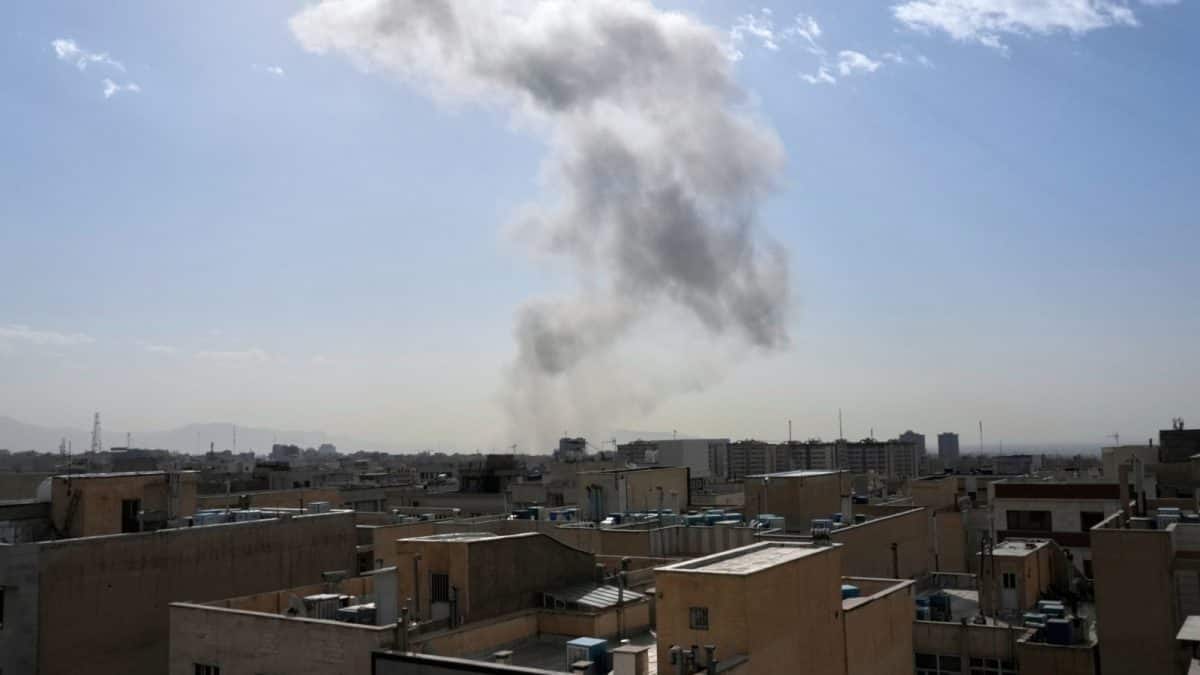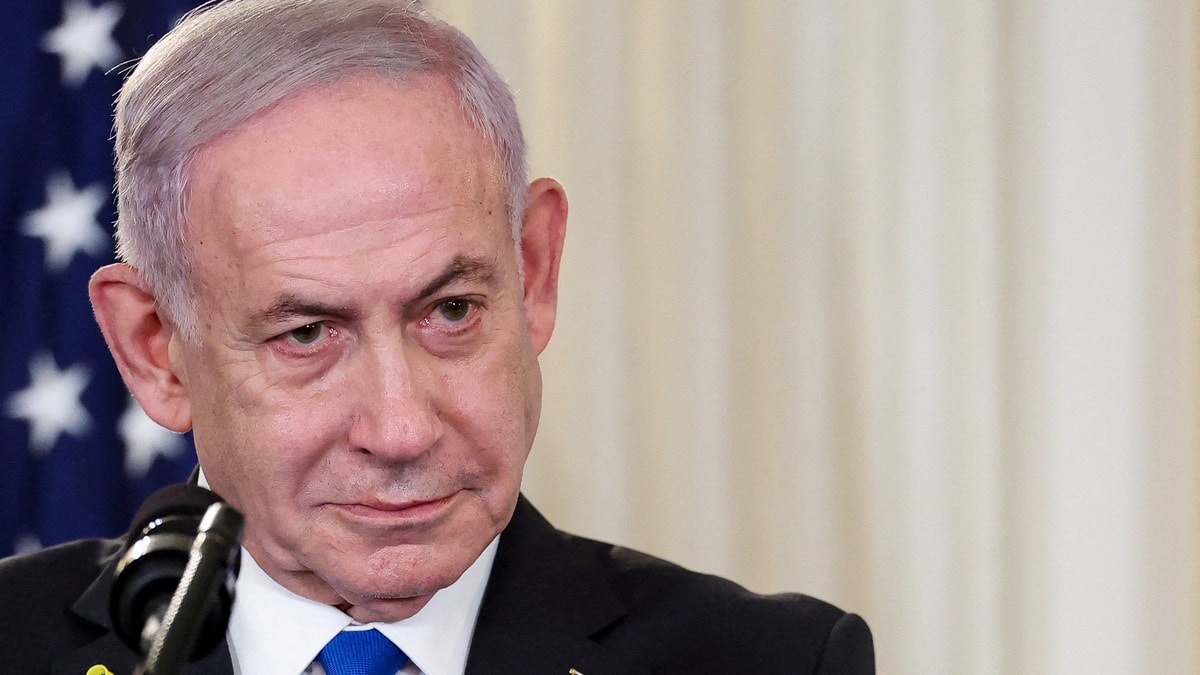
Benjamin Netanyahu isn't pulling punches anymore. In a recent joint operation with the United States, the Israeli Prime Minister made it clear that the goal isn't just containment or "management" of a conflict. It's about the total removal of what he calls an existential threat posed by the Iranian regime. For years, the rhetoric coming out of Jerusalem has been pointed, but this latest shift suggests we've moved past the era of shadow wars and into a period of direct, high-stakes confrontation.
The "terror regime" in Tehran, as Netanyahu describes it, has long been the primary focus of Israeli security doctrine. But something has changed in the coordination between the Mossad, the IDF, and their American counterparts. This isn't just about a few targeted strikes on proxy warehouses in Syria. It’s a systemic effort to dismantle the capabilities of a state that Netanyahu believes is months, not years, away from a nuclear threshold. If you've been following the Middle East for the last decade, you know the "red line" has been drawn and redrawn a dozen times. This time, however, the ink feels permanent. You might also find this similar coverage insightful: The $2 Billion Pause and the High Stakes of Silence.
Why the Existential Threat Label Matters Now
When a world leader uses the term "existential," they aren't just being dramatic for the sake of a news cycle. They're laying the legal and moral groundwork for pre-emptive action. Israel’s security establishment views the combination of Iran's ballistic missile program and its nuclear enrichment as a "one-bomb" problem. Because Israel is a small country, roughly the size of New Jersey, it doesn't have the luxury of a "second strike" capability if a nuclear device were ever used.
The current operation, coordinated with the US, aims to cripple the IRGC (Islamic Revolutionary Guard Corps) infrastructure. This goes beyond the nuclear sites like Natanz or Fordow. It targets the "Octopus" arms—the financial and logistical networks that feed Hezbollah in Lebanon, the Houthis in Yemen, and various militias in Iraq. Netanyahu’s logic is simple: you can't kill the snake by just clipping its tail. You have to go for the head. As reported in latest articles by TIME, the effects are notable.
Critics often argue that this aggressive stance actually accelerates Iran's drive toward a weapon. They claim that by backed into a corner, Tehran has no choice but to sprint for the finish line. Netanyahu clearly disagrees. His career has been built on the premise that only "credible military threats" and "crippling sanctions" work against ideological regimes. He’s betting the house that he can break their resolve before they break the seal on a warhead.
The American Role in the Israeli Strategy
The US involvement here is the real story. In previous years, Washington often acted as the "brake" on Israeli ambitions, urging restraint to avoid a regional conflagration that could spike oil prices or drag American boots back into the sand. But the landscape in 2026 looks different. The failure of various nuclear deal iterations has left the Biden-Harris administration—and its successors—with fewer diplomatic options.
Joint exercises like "Juniper Oak" have evolved from simple drills into actual operational rehearsals. We're seeing real-time intelligence sharing that allows for the kind of precision strikes we saw recently. The US provides the heavy lift—the refueling tankers, the advanced radar jamming, and the diplomatic cover at the UN—while Israel provides the ground-level intelligence and the will to pull the trigger.
It’s a symbiotic relationship born of necessity. The US wants to pivot to the Indo-Pacific to deal with China, but it can't do that if the Middle East is on fire. By helping Israel "remove" the Iranian threat now, the US hopes to leave behind a regional architecture that can police itself. It’s a risky strategy. If it works, it’s a masterstroke. If it fails, it’s a world-war-sized mess.
Dismantling the Terror Regime Narrative
Netanyahu’s use of the term "terror regime" is a deliberate attempt to de-legitimize the Iranian government in the eyes of the international community. He’s not just talking to the Knesset or the White House. He’s talking to the Iranian people and the global public. He wants to frame this not as a war against Iran, but as a liberation movement against a small group of religious zealots who have hijacked a nation.
Is that realistic? Historically, foreign intervention rarely leads to the "flower-strewn streets" that hawks promise. But the internal situation in Iran is more brittle than it’s been in decades. The "Woman, Life, Freedom" protests showed deep cracks in the regime's domestic support. By hitting the IRGC’s economic interests, the Israeli-US operation aims to starve the regime of the cash it needs to pay its enforcers.
The strategy is to create a pincer movement: external military pressure and internal economic collapse. It’s a brutal, cold-blooded approach to geopolitics. It ignores the humanitarian cost in favor of a "permanent" security solution. You don't have to like it to see the internal logic.
Common Misconceptions About the Conflict
Most people think this is just about religion or ancient grudges. It’s not. It’s about 21st-century power.
- It’s not just about nukes. Even without a nuclear bomb, Iran’s drone technology has changed the battlefield. We’ve seen these drones in Ukraine, and we see them every day on Israel's borders. Removing the threat means dismantling the factories making these "suicide drones."
- The US isn't just "following" Israel. The US has its own interests. An Iranian-dominated Persian Gulf would give Tehran a stranglehold on global energy. Washington is acting out of self-interest as much as it is for its ally.
- The Arab world isn't unified against Israel. This is the biggest shift. Many Gulf states are quietly cheering the Israeli operations. They fear Iran as much as, if not more than, Israel does. The Abraham Accords weren't just a photo op; they were a realignment of the entire region's security priorities.
The Real Risks of Escalation
Let's be honest. This isn't a video game. When you talk about "removing" a regime's threat, you're talking about potential mass casualties and a refugee crisis that could dwarf what we saw in Syria. Iran has thousands of missiles pointed at Tel Aviv. Hezbollah has an arsenal in Lebanon that can saturate Israel's Iron Dome.
If this operation fails to achieve a "clean" knockout blow, we could see a protracted war that pulls in Lebanon, Syria, and perhaps even the Gulf states. Netanyahu is banking on the idea that the regime is a "paper tiger" that will fold under pressure. But tigers, even paper ones, have claws. The margin for error is zero.
I’ve talked to former intelligence officers who worry that we’re overestimating our ability to control the "day after." If the IRGC falls, who takes over? Is it a pro-Western democracy, or is it chaos? History suggests the latter is more likely. Yet, from Netanyahu's perspective, the status quo is even more dangerous. He’s chosen the risk of action over the certainty of a nuclear-armed Iran.
What This Means for Global Security
This operation marks the end of the post-Cold War era in the Middle East. The idea that we can talk our way out of these fundamental ideological conflicts is dead. We are back in a world of hard power, "red lines," and pre-emptive strikes.
For the average person, this means a period of intense volatility. Markets hate uncertainty, and there is nothing more uncertain than a war involving the world’s major energy producers. You should expect fluctuations in oil prices and a tightening of security protocols globally.
Netanyahu has made his move. The US has signaled its support. The ball is now in Tehran's court, and their options are shrinking by the hour. This isn't just another flare-up. This is the endgame of a forty-year cold war.
If you want to stay ahead of how this affects the global economy and regional stability, keep a close eye on the following:
- The frequency of "unattributed" cyberattacks on Iranian infrastructure, which often precede kinetic strikes.
- Any shift in Chinese or Russian rhetoric regarding Tehran; if they start distancing themselves, the regime is truly isolated.
- The domestic price of gas in the US, as this will dictate how much political "rope" the White House gives Israel to continue the operation.
- Watch the northern border of Israel; if Hezbollah remains quiet, the operation is working. If they fire, the region is in for a long winter.