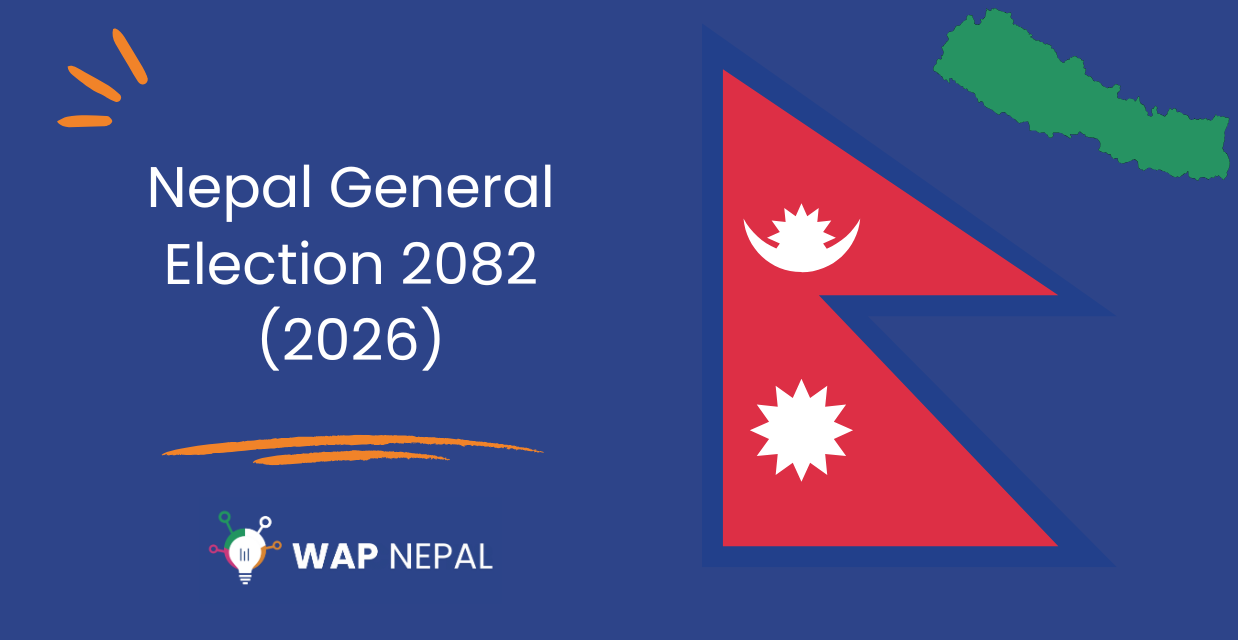
Nepal is standing at a cliff’s edge. On March 5, 2026, nearly 19 million voters are heading to the polls for a general election that feels less like a standard democratic exercise and more like a national exorcism. This isn’t just about filling 275 seats in the House of Representatives. It’s about whether the "old guard" of septuagenarian leaders—men who have swapped the Prime Minister's chair like a game of musical chairs for thirty years—can survive a generation that has finally lost its patience.
If you’ve been following the news, you know this election was triggered by the "Gen Z Uprising" of September 2025. What started as a protest against a social media ban quickly turned into a bloody revolution that toppled K.P. Sharma Oli’s government. Now, with an interim administration led by former Chief Justice Sushila Karki holding the fort, the country is choosing between the ghosts of the past and a digital-native future.
The Big Three vs The New Wave
For decades, Nepalese politics was a predictable, if chaotic, triangle. You had the Nepali Congress (NC), the CPN (UML), and the Maoists. They fought, they merged, they betrayed each other, and they all stayed in power. That triangle is now shattered.
Balen Shah: The Prime Ministerial Gambit
The biggest story of 2026 isn't a seasoned diplomat; it’s a rapper and structural engineer. Balendra (Balen) Shah, the former Mayor of Kathmandu, has ditched local government to aim for the top job. He’s running with the Rastriya Swatantra Party (RSP), and he’s doing something unheard of: he’s challenging K.P. Sharma Oli in Oli’s own fortress, Jhapa-5.
This is a high-stakes bet. Jhapa-5 has been Oli's kingdom for decades. If Balen wins, or even comes close, it signals the death of traditional patronage politics. He’s campaigning on technology, urban planning, and a complete "cleaning of the pipes" in government. For the 40% of voters in that district under the age of 40, Balen isn't just a candidate—he’s a symbol of their own survival.
Gagan Thapa: The Congress Reformer
Then there's Gagan Thapa. He finally did what many thought was impossible: he pushed out Sher Bahadur Deuba to become the face of the Nepali Congress. Thapa is smart. He moved his candidacy from the safe urban streets of Kathmandu to Sarlahi-4 in the Madhesh province. He’s trying to prove that the "new" Congress can bridge the gap between the hills and the plains. It’s a risky move. If he loses in the Madhesh, his leadership of the country's oldest party could end before it truly begins.
The Old Guard’s Last Stand
Don’t count out the veterans just yet. K.P. Sharma Oli and Pushpa Kamal Dahal (Prachanda) are fighting for their political lives. Oli is leaning heavily on nationalist rhetoric and his past record of infrastructure projects. Prachanda, meanwhile, has moved to Rukum-1, a former Maoist heartland, hoping that old loyalties will save a party that has seen its influence dwindle to a fraction of its former glory.
What is Actually at Stake
While the headlines focus on the personalities, the underlying issues are existential. Nepal is bleeding its most valuable resource: people.
- The Brain Drain Crisis: Every single day, thousands of young Nepalis leave through Tribhuvan International Airport for jobs in the Gulf, Europe, or Australia. The 2026 election is seen by many as the last chance to create a domestic economy that keeps families together.
- The Federalism Failure: The 2015 Constitution promised decentralization, but in reality, power stayed in Kathmandu. Protesters in 2025 demanded that provincial governments actually do something other than consume tax revenue.
- Geopolitical Tightrope: Nepal sits between India and China. India accounts for two-thirds of Nepal’s trade, but China has been pouring money into infrastructure like the Pokhara Airport. The next government has to navigate a volatile global environment without becoming a pawn in a proxy war.
The Gen Z Factor
This is the first election where "digital natives" are the primary deciders. Over 800,000 new voters registered after the 2025 uprising. These are kids who organized protests on Discord and TikTok while the government tried to pull the plug on the internet. They don't care about the 1990 revolution or the civil war. They care about 5G, transparency, and why they can't get a business license without paying a bribe.
How the Voting Works
Nepal uses a mixed electoral system that almost guarantees a hung parliament. It's a bit of a headache, honestly.
- First-Past-The-Post (FPTP): 165 members are elected directly from their constituencies.
- Proportional Representation (PR): 110 members are selected based on the total percentage of votes a party gets nationwide.
This system was designed to ensure diversity, but it’s often used by party bosses to install their cronies through the PR list. This time, the Election Commission is under intense pressure to ensure the PR lists aren't just a "who's who" of political donors.
The Economy is the Real Battlefield
Despite the political chaos, Nepal's macroeconomic numbers are surprisingly decent. Foreign exchange reserves are at an all-time high, thanks largely to the money sent home by those same migrants the politicians are trying to stop from leaving. The interim government under Sushila Karki has already started easing business regulations. The question is: will the next elected government keep those reforms, or will they go back to "business as usual" corruption?
The RSP is promising 1.2 million jobs. The UML is talking about a 10 trillion NPR economy. These are massive numbers, and honestly, they're probably over-ambitious. But in an election defined by desperation, the biggest dreamer might just walk away with the most votes.
Why You Should Care
If you think Nepal is just a quiet Himalayan retreat, you’re missing the bigger picture. What happens on March 5 is a test case for youth-led movements everywhere. From Bangladesh to Kenya, young populations are rising up against aging autocrats. If Nepal successfully transitions from street protests to a functional, youth-led government, it provides a blueprint for the rest of the developing world. If it falls back into the same old coalition bickering, it’ll be a heartbreaking reminder that changing the faces in the window doesn't always fix the house.
You should watch the results in Jhapa-5 and Sarlahi-4 closely. Those two districts will tell you more about the future of South Asia than any policy paper ever could. If the old lions fall, the 2026 election won't just be a date in a history book—it'll be the day Nepal finally joined the 21st century.
Keep an eye on the official Election Commission updates as the manual count begins on the night of March 5. It’s going to be a long, tense month of counting.