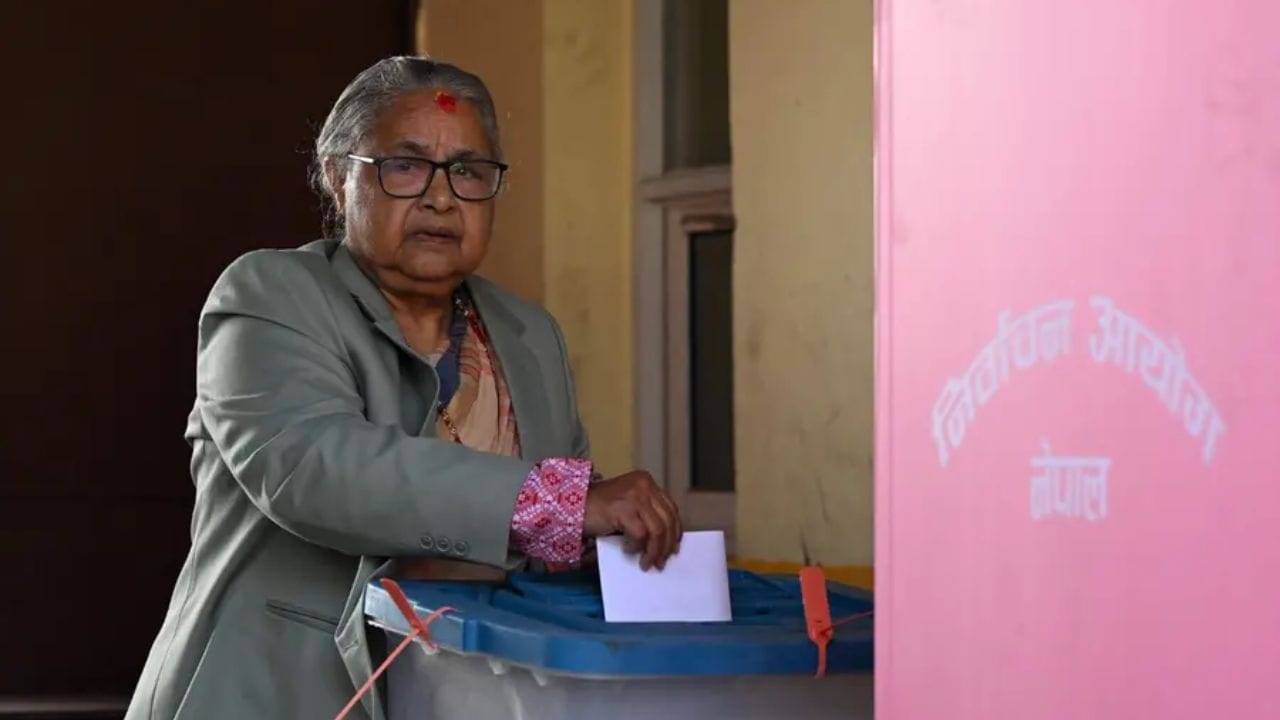
Polling stations across Nepal opened their doors at 7:00 am today for an election that feels more like a national reset than a standard political transition. By 9:30 am, the Election Commission reported a 6% voter turnout. On the surface, that number looks low, maybe even sluggish. But if you’ve followed the chaos of the last six months, you know that 6% carries a lot of weight.
Interim Prime Minister Sushila Karki cast her ballot early at the Kathmandu-5 constituency in Dhapasi. Her message was blunt and final: "My duty is completed." For a former Chief Justice who was pulled out of retirement to steer a ship through a literal revolution, those words aren't just a status update. They’re a sigh of relief.
The Ghost of the Gen Z Uprising
This isn't just another Tuesday at the polls. This is the first time Nepal is voting since the September 2025 "Gen Z" uprising that took down K.P. Sharma Oli’s government. That movement wasn't about subtle policy shifts; it was a violent, loud rejection of the old guard, fueled by frustration over corruption and a tone-deaf social media ban.
When Karki took over as the first female Prime Minister on September 12, she had one job: hold it together until today.
- 18.9 million eligible voters.
- One million of those are new, mostly youth voters added after the uprising.
- 3 lakh (300,000) security personnel are currently on the streets.
The slow start this morning—that 6%—might reflect the caution in the air. People aren't just voting for a party; they're testing whether the "constitutional track" Karki mentioned is actually stable enough to walk on.
Why 9:30 am Numbers are Deceptive
In Nepal, the early morning hours are usually reserved for the elderly and the most eager. The 6% figure reported by Election Commissioner Sagun Shumsher Rana shouldn't be mistaken for apathy. History shows that in Himalayan terrain and the southern plains, the surge usually hits between 11:00 am and 2:00 pm.
Moreover, the sheer logistical scale is massive. We're talking about 23,112 polling centers. In many rural areas, "getting to the booth" involves a hike that starts before the sun is up. The fact that 1.1 million people already voted within two and a half hours of the polls opening is actually a sign of life, not a lack of interest.
The Three-Way Fight for Nepal's Soul
The 2026 ballot is a clash of three very different visions for the country. You've got the veterans trying to reclaim their thrones, and the new blood trying to burn the thrones down.
- Gagan Thapa (Nepali Congress): He’s the face of the "liberal democratic" wing. He cast his vote in Kathmandu-4, telling reporters that this election is about getting the Constitution back on track. He’s essentially the "safe" bet for people who want stability but hate the old-school communist infighting.
- K.P. Sharma Oli (CPN-UML): The man the youth movement ousted. He’s back, he’s 74, and he’s fighting for his political life in Jhapa-5. He represents the establishment that thinks the Gen Z kids don't know how to run a country.
- Balen Shah (National Independent Party): The wildcard. A rapper and former mayor of Kathmandu who has become the mascot for the "new force." He’s challenging Oli directly in Jhapa-5. If he wins, the political landscape won't just change—it'll be unrecognizable.
What Karki’s Departure Means
Sushila Karki’s "duty completed" comment marks the end of a technocratic experiment. Her cabinet was filled with experts rather than career politicians, a temporary fix to stop the bleeding from the 2025 protests.
By declaring her job done, she’s handing the keys back to the political class. The risk? If the results lead to another fractured coalition—which is the norm in Nepal’s mixed electoral system—the same frustrations that sparked the September riots will likely boil over again. The youth didn't protest just to get a different set of old men in suits; they protested for a system that actually works.
Watching the Proportional Representation Gap
While everyone is focused on the 165 direct-vote seats, the real power play is in the 110 proportional representation (PR) seats. This is where the smaller, newer parties created after the uprising can actually make a dent.
| System | Seats | Focus |
|---|---|---|
| First-Past-The-Post (FPTP) | 165 | Individual candidates and local influence. |
| Proportional Representation (PR) | 110 | Party share and ideological reach. |
The Election Commission says we’ll know the direct results within 24 to 48 hours. The PR results will take longer. That gap is where the horse-trading starts.
If you're following the updates today, don't just look at the turnout percentages. Watch for reports of "minor incidents." So far, the Nepal Police have reported "minor disagreements" at a few booths, but nothing that resembles the violence of last year. That’s a win for Karki’s interim administration.
Keep an eye on the turnout numbers as they refresh at 1:00 pm and 5:00 pm. If the final number crosses 65%, it means the youth actually showed up. If it stays under 50%, the "Gen Z revolution" might have stayed on TikTok instead of going to the ballot box.
You should check the official Election Commission of Nepal portal later today for the provincial breakdown of these numbers to see if the rural "farming plains" outvoted the urban centers.