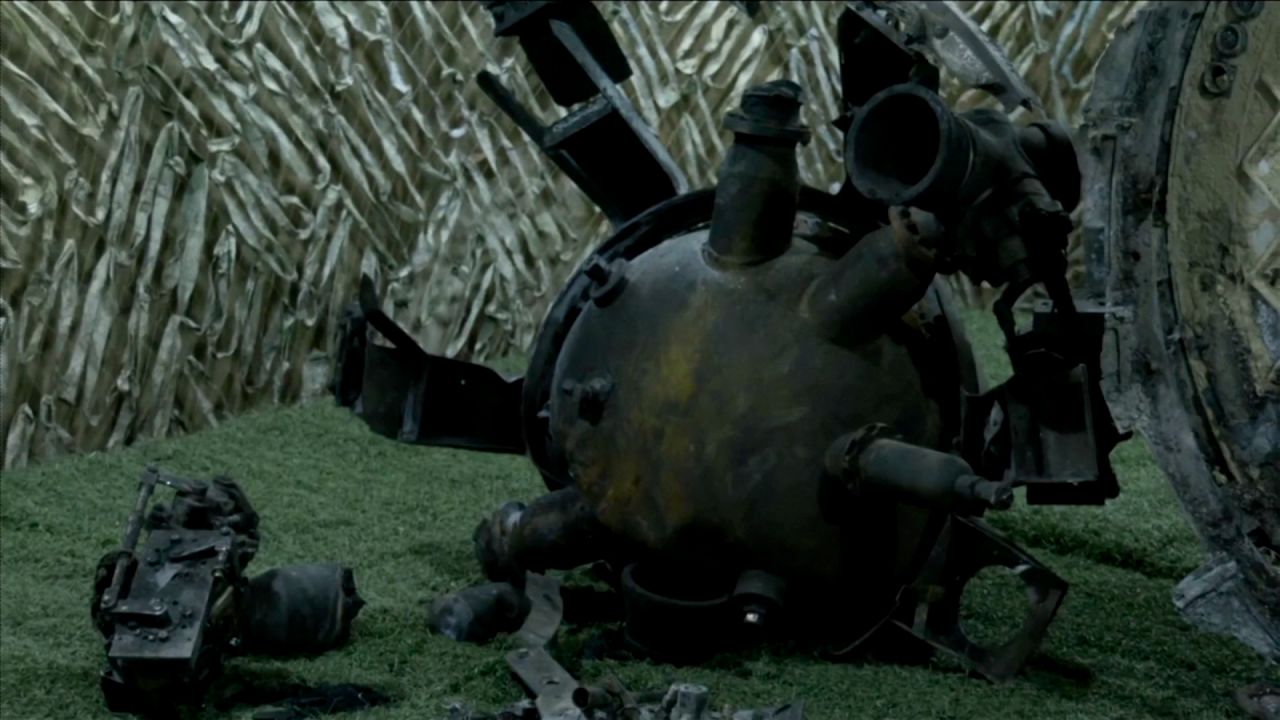
The sky over Turkey’s border regions isn't as quiet as it used to be. Recent reports confirming that debris from a NATO missile interception landed on Turkish soil aren't just a minor technical footnote in a messy conflict. They represent a terrifying reality of modern warfare where "success" still ends with metal raining from the clouds. When an interceptor hits its mark, the threat doesn't just evaporate. It changes form.
Turkish authorities and local residents in the impacted zones now face a problem that wasn't supposed to happen to a NATO member. You’re told the shield is up. You’re told the defense systems are state-of-the-art. Yet, here we are, looking at charred fragments of high-tech weaponry sitting in a farmer's field. This isn't just about one stray piece of metal. It’s about the narrow margin of error we're living with in 2026.
The Physics of Interception Nobody Talks About
We often imagine missile defense like a video game. A laser hits a dot, and the dot disappears. In the real world, it’s a high-speed collision of thousands of pounds of kinetic energy, explosive fuel, and specialized alloys. When a NATO-operated system—likely a Patriot or a SAMP/T battery—engages a hostile projectile near the border, the laws of gravity don't take a break.
What goes up must come down. Even if the warhead is neutralized, the airframe of the incoming missile and the interceptor itself break into hundreds of pieces. These fragments can travel miles from the point of impact depending on the altitude of the "kill." In this specific case on Turkish soil, we’re seeing the result of a successful intercept that still resulted in a localized emergency. It’s a win for the military, but a scary day for the person standing under the fallout zone.
Why Turkey is the Friction Point
Turkey’s geography puts it in a precarious spot. As a bridge between Europe and the Middle East, and a key player on the Black Sea, its airspace is some of the most congested and contested in the world. Being a NATO member means having the protection of the alliance’s integrated air and missile defense (IAMD), but it also means being the literal shield.
The debris found recently highlights a growing tension. Ankara has spent years trying to balance its own defense manufacturing—like the HISAR and SIPER systems—with its obligations and reliance on NATO hardware. When debris falls, it sparks a political firestorm. People start asking why the interception happened so close to civilian areas and whether the "protective umbrella" is actually creating new risks.
I’ve seen this play out in other border conflicts. The military objective is to stop the missile from hitting its intended target, often a high-value asset or a city center. If that means the debris falls on a rural village instead, the military considers that a mission success. The people in that village, understandably, feel differently.
The Problem With Kinetic Kill Vehicles
Most modern NATO interceptors use "hit-to-kill" technology. This means they don't just explode near the target; they ram into it at Mach 5 or higher. This is great for making sure the enemy warhead is destroyed, but it creates a massive field of high-velocity scrap.
- Weight of Debris: A standard ballistic missile can weigh several tons. Even shattered, those pieces are lethal.
- Toxic Residue: We aren't just talking about steel. Missile components often contain hydrazine, specialized coolants, or unspent solid fuel that can contaminate soil.
- Identification Lag: Local police often don't know what they’re looking at. Is it a live submunition or a harmless piece of a wing?
In the recent Turkish incident, the response time was quick, but the panic was real. You can't blame people for being terrified when the "shield" starts dropping burning trash on their property.
NATO Standard Operating Procedures Under Pressure
NATO's response to these incidents is usually a mix of "we're investigating" and "this proves the system works." But for Turkey, this is a sovereignty issue. If an interception is managed by a foreign-manned battery on Turkish soil, or by a ship in the Mediterranean, the legal liability for damage becomes a nightmare.
The alliance has been beefing up its presence along the eastern flank for years. However, the density of the threat environment in 2026 means these interceptions are happening more frequently. We're no longer in a world where a single "stray" missile is a once-in-a-decade event. It’s becoming a weekly risk for those living near the border.
What the Experts Are Missing
Many analysts focus on the hardware. They want to talk about radar cross-sections and intercept probabilities. They’re missing the human element of "collateral success." When debris falls on a NATO ally’s territory from an engagement that happened outside their borders, it tests the very fabric of the treaty.
Article 5 is about collective defense, but there’s no specific handbook on what happens when the defense itself causes damage to the protector. Turkey is in a unique position where it’s both a high-tier military power and a frontline state. This gives Ankara significant leverage to demand better coordination and perhaps more control over when and where these "kills" take place.
The Immediate Reality for Border Residents
If you live in these regions, the advice is no longer just "stay indoors during an alert." It’s about understanding that the danger persists long after the sirens stop. The debris from the recent interception wasn't cleared instantly. It took hours for specialized teams to arrive, during which time the site was a magnet for curious locals and social media streamers.
This is a recipe for disaster. One unexploded battery or a pressurized tank can turn a "fragment" into a bomb. The Turkish government is now pushed to implement more aggressive "exclusion zones" where interceptions are prioritized over unpopulated areas, but in a country as densely packed as Turkey, that’s easier said than done.
Taking Action in the Fallout Zone
Don't wait for a formal government pamphlet to tell you how to handle this if you’re in a high-risk area. The reality of 2026 warfare is that the front line is everywhere.
If you see debris that looks like it fell from the sky, stay at least 500 meters away. These materials are often extremely hot or coated in chemicals that cause skin burns or respiratory failure. Do not try to collect "souvenirs" for social media. Report the coordinates to the local gendarmerie or AFAD (Turkey’s Disaster and Emergency Management Authority) immediately.
The military will handle the cleanup, but your priority is making sure you aren't the last casualty of a missile that was already "destroyed" five miles up in the atmosphere. The shield is there, but it’s a heavy, jagged thing, and it's starting to show its weight on the ground.