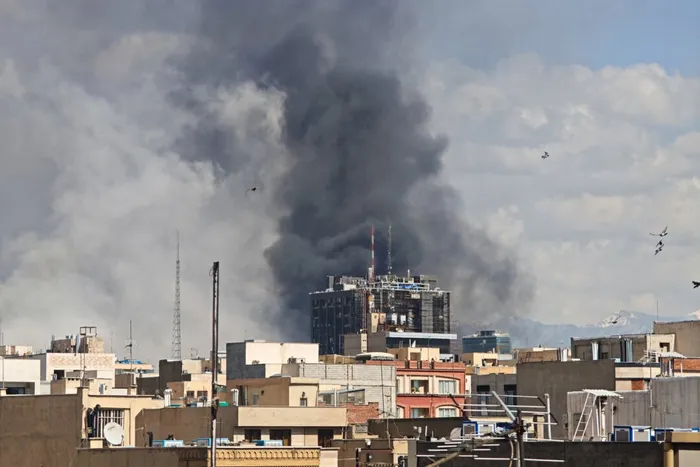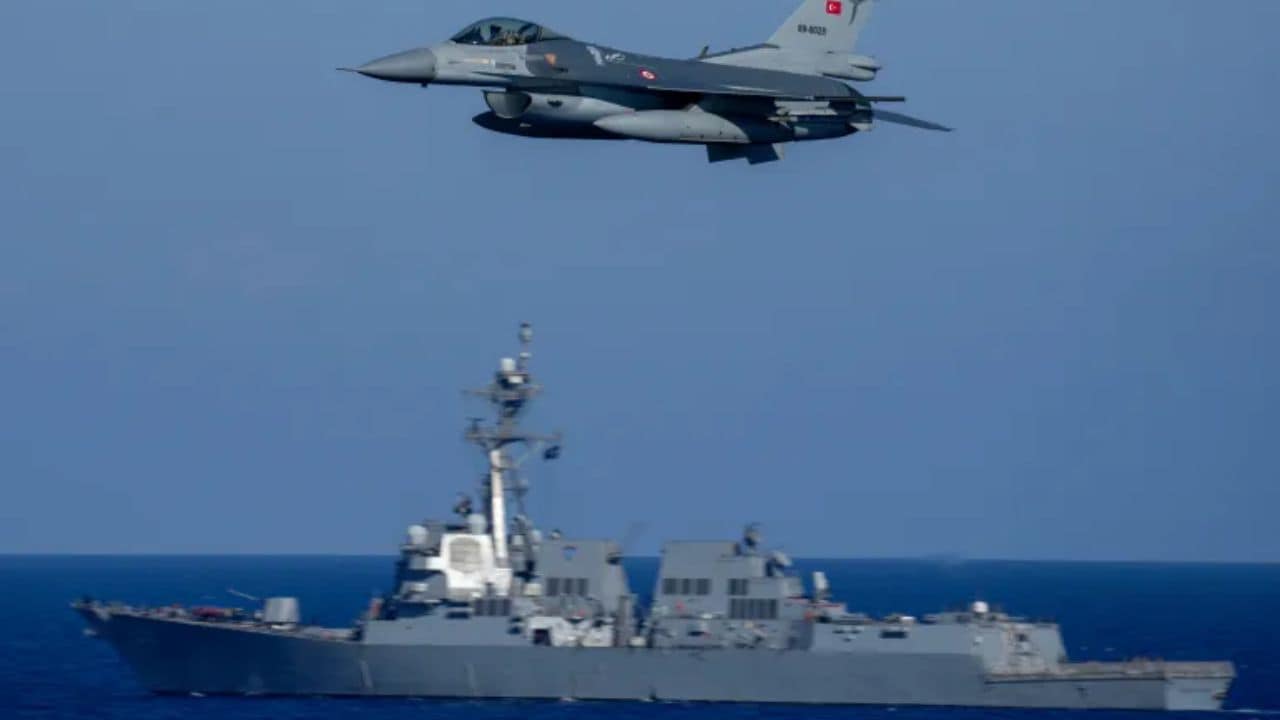
The recent interception of an Iranian ballistic missile by NATO air defenses isn't just another headline in a crowded news cycle. It's a massive wake-up call for anyone who thought the Cold War-era alliance was becoming a relic. When that missile headed toward Turkish airspace, the response wasn't a series of diplomatic cables or strongly worded letters. It was a kinetic, high-stakes demonstration of integrated military technology. This event changes how we look at regional security and the specific role Turkey plays within the alliance.
You've probably heard talking points about NATO’s "strategic fatigue." Forget those for a second. When an IRBM (Intermediate-Range Ballistic Missile) or even a shorter-range variant is screaming through the upper atmosphere, the only thing that matters is whether the radar track talks to the interceptor in real-time. In this case, they did. The system worked exactly how the engineers at Raytheon and Lockheed Martin promised it would during simulations. But the political fallout is just beginning.
Why the Interception in Turkey Changes Everything
The geography here is the most important factor. Turkey sits at the literal crossroads of every major conflict currently simmering in the Middle East and Eastern Europe. By downing an Iranian projectile before it could violate Turkish sovereignty, NATO sent a clear signal to Tehran. That signal is simple: the "shield" isn't theoretical.
Most people don't realize that the European Phased Adaptive Approach (EPAA) is a layered system. It isn't just one battery sitting on a hill. It involves AN/TPY-2 radar systems, often stationed in places like Kürecik, Turkey, which feed data to Aegis Ashore sites in Romania and Poland. This wasn't a lucky shot by a lone soldier. It was a coordinated dance of sensors and shooters across multiple borders.
Turkey has had a complicated relationship with its own air defense lately, especially after the whole S-400 debacle with Russia. This successful intercept by NATO assets reminds Ankara of the benefits of staying inside the tent. You can't just buy a Russian system and expect it to play nice with the digital architecture of thirty other nations. The interoperability shown here is something money can't buy off the shelf from Moscow.
The Technical Reality of the Intercept
To understand the scale of this, you have to look at the physics. We're talking about an object traveling at several times the speed of sound. A ballistic missile follows a predictable arc, but that doesn't make it easy to hit. It's the classic "hitting a bullet with a bullet" scenario.
The Role of the AN TPY 2 Radar
The Kürecik radar station in Turkey is often the first "eye" to see a launch from Iran. It operates in the X-band, which gives it the high resolution needed to distinguish a warhead from debris or decoys.
- Detection happens within seconds of the booster stage clearing the horizon.
- The track is handed off to the Command, Control, Battle Management, and Communications (C2BMC) system.
- An interceptor—likely a Patriot PAC-3 or an SM-3 from a nearby naval asset—is assigned the target.
If that radar doesn't work, the rest of the system is blind. Iran knows this, which is why Kürecik is always at the top of their rhetorical target list. But knowing where the radar is and being able to overwhelm it are two very different things.
Iran's Escalation Ladder
Why would Iran risk this? They aren't stupid. They know NATO has the upper hand in a conventional fight. However, Tehran often uses missile tests or "errant" flight paths to test the reaction times of Western forces. This wasn't an accident. Ballistic missiles don't just "wander" into Turkish airspace by mistake. Guidance systems are too precise for that today.
This was a test of resolve. Iran wanted to see if NATO would actually pull the trigger to protect Turkish soil, given the recent political friction between Ankara and other member states. The answer was a definitive yes. This puts Iran in a tough spot. If their primary tool of leverage—their massive missile arsenal—can be neutralized by existing NATO batteries, their ability to bully neighbors diminishes instantly.
The Patriot vs S 400 Debate Is Over
For years, defense "experts" on social media have argued that the Russian S-400 is superior to the American-made Patriot system. This event should end that debate for good. Real-world performance under combat conditions is the only metric that matters. While Russian systems have struggled to protect even their own high-value targets in recent conflicts, the NATO-integrated grid just took down a sophisticated Iranian threat without breaking a sweat.
I've seen enough "paper stats" to last a lifetime. On paper, the S-400 has a longer range. In reality, the Patriot and the Aegis system have a better track record of actually hitting the target. The integration is the secret sauce. A Patriot battery in Turkey isn't alone; it's backed by satellites, AWACS planes, and naval destroyers.
What Happens to Regional Stability Now
Expect a lot of noise from Tehran about "Western interference." They’ll claim the missile wasn't headed for Turkey or that it was a peaceful test. Don't believe it. The data logs from the NATO tracking stations don't lie.
The real shift is going to be in Ankara. President Erdogan has spent years playing both sides, trying to balance his NATO membership with a "neighborly" relationship with Iran and a "transactional" one with Russia. This intercept forces his hand. It’s hard to tell your public that NATO is a problem when NATO just prevented an Iranian missile from potentially hitting a Turkish city.
The Impact on the Defense Market
You’re going to see a massive surge in interest for these specific interceptor systems. Countries in the Gulf, like Saudi Arabia and the UAE, are watching this closely. They've been on the receiving end of Houthi (Iranian-backed) drone and missile attacks for years. Seeing a clean intercept of a full-scale ballistic missile by NATO assets is the best marketing campaign Raytheon ever had.
The Threat of Saturation Attacks
While this single intercept was a success, we shouldn't get cocky. The biggest fear for NATO commanders isn't one missile. It's fifty. Or a hundred. This is called a "saturation attack," and it's designed to overwhelm the number of interceptors available in a specific area.
$N_{interceptors} < N_{threats}$
When that equation becomes true, things get ugly. The successful downing of this Iranian missile proves the technology works, but it also highlights the need for more "magazines"—basically, more interceptor missiles stored and ready to fire.
Stop Ignoring the Logistics
Everyone loves to talk about the "boom," but the logistics are what actually won this round. Keeping a radar station in a remote part of Turkey operational 24/7 requires an insane amount of behind-the-scenes work. We're talking about specialized cooling systems, redundant power grids, and a constant flow of spare parts from US and European depots.
If you're a policy maker, your takeaway shouldn't just be "yay, we won." It should be "we need to harden our supply chains." If a conflict breaks out and we can't get replacement parts to Kürecik or Incirlik, the shield fails in a week.
The Reality of Modern Warfare
Warfare in 2026 isn't about trenches anymore, at least not in this theater. It's about the electromagnetic spectrum and kinetic energy. The Iranian missile was defeated before it even reached its peak altitude because NATO's digital infrastructure was faster than the missile's flight computer.
This wasn't a "game-changer"—I hate that word—but it was a validation. It validated decades of spending on the European missile defense project. For the average person in Turkey, it means one less thing to worry about when they look at the sky.
If you want to stay ahead of this, stop watching the political talk shows and start looking at the deployment maps of the 10th Army Air and Missile Defense Command. That’s where the real power is. The next step for anyone following this is to monitor the upcoming NATO summit in Vilnius. Look specifically for updates on the "Action Plan on Integrated Air and Missile Defense." That’s where the budget for the next decade of this shield will be decided. Pay attention to whether Turkey moves to integrate more of its domestic "HISAR" missile systems into the NATO network. That will tell you if the political rift is truly healing.