The selective outrage surrounding the Jeffrey Epstein documents is a stain on our justice system. For years, we've watched as the names of high-profile associates are dripped out like a slow-release poison, usually timed to coincide with whenever one political party needs a stick to beat the other with. It’s exhausting. It’s transparent. Most importantly, it’s a massive disservice to the victims who have waited decades for anything resembling accountability.
If you’re only interested in the names that belong to the "other side," you aren’t interested in justice. You’re interested in a scoreboard. The reality of the Epstein network is that it wasn’t a Republican problem or a Democrat problem. It was a power problem. When you have that much wealth and that little oversight, predators find ways to move through every circle of influence, from Silicon Valley boardrooms to royal palaces and the halls of Congress. Meanwhile, you can read other events here: The Cold Truth About Russias Crumbling Power Grid.
The Problem With Political Finger Pointing
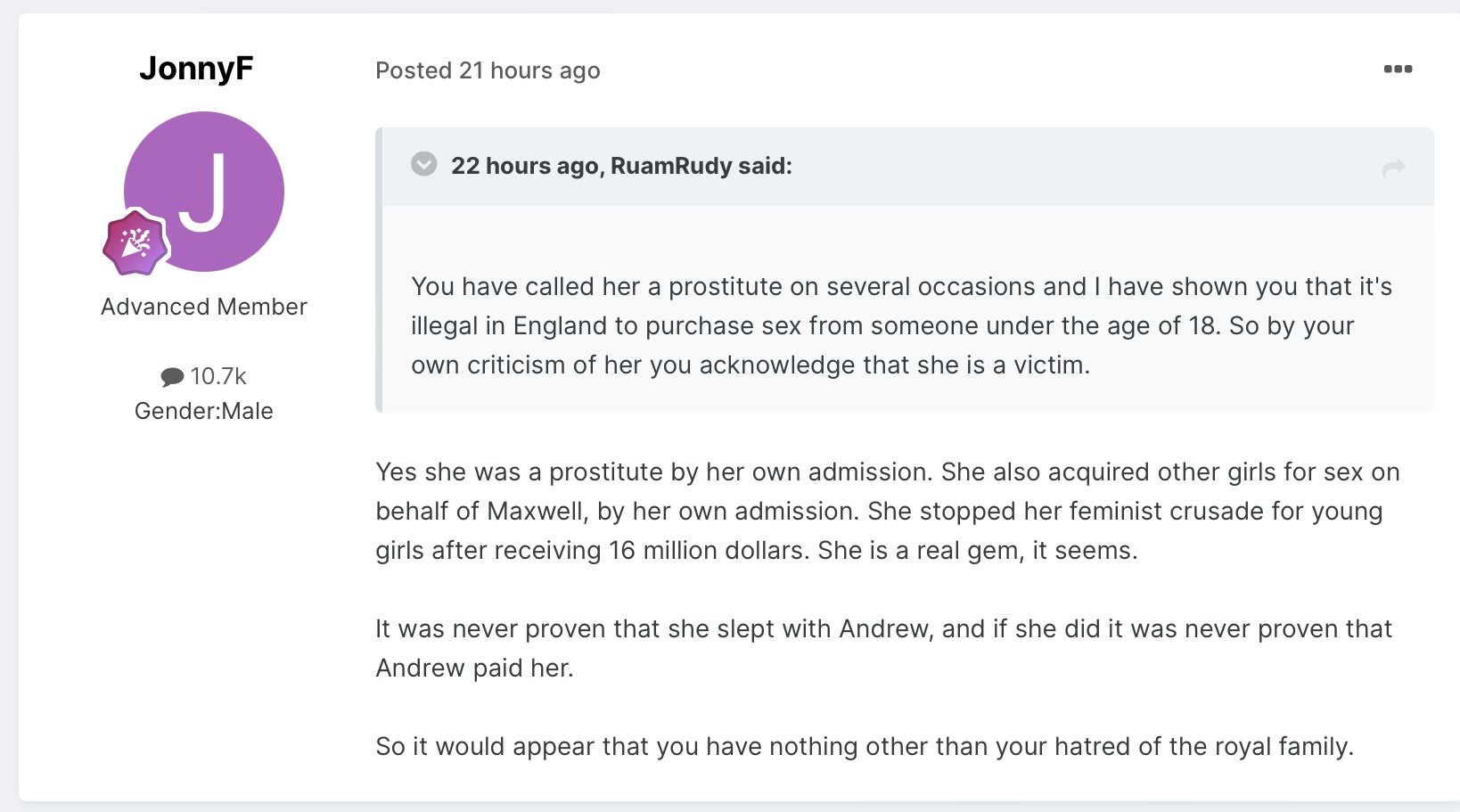
We have seen this play out on social media every time a new batch of documents is unsealed. One side screams about a former president’s flights on the "Lolita Express," while the other side frantically points to photos of a different politician at a charity gala hosted by Ghislaine Maxwell. This back-and-forth serves as a convenient smoke screen. While the public bickers over which party is "worse," the systemic failures that allowed a known sex offender to operate in plain sight for decades remain unaddressed.
Justice shouldn't have a political affiliation. When we treat these names as campaign fodder, we turn a horrific series of crimes into a meme. We lose sight of the fact that behind every redacted line in a court filing is a person who was harmed. The focus should be on the conduct, not the voter registration card of the individual involved. To explore the bigger picture, check out the detailed article by The New York Times.
The legal threshold for unsealing these names has been a point of intense debate in the Southern District of New York. Judge Loretta Preska has been tasked with balancing the public’s right to know against the privacy interests of people who might have been mentioned in passing but weren't involved in any wrongdoing. That’s a fair legal standard. However, the public’s frustration stems from the feeling that "privacy" is often used as a shield for the powerful.
Wealth as an Invisibility Cloak
Epstein’s true talent wasn't just his alleged financial wizardry. It was his ability to make himself indispensable to people who should have known better. He understood that if you provide enough value—whether through private jet travel, campaign donations, or access to other elite circles—people will look the other way.
This isn't a theory. It’s documented. We know that even after his 2008 conviction in Florida, a "sweetheart deal" that remains one of the most lopsided bits of law enforcement history, he was still welcomed back into polite society. He was still visiting prestigious universities. He was still meeting with some of the most powerful people on the planet.
The names in these documents matter because they reveal the infrastructure of complicity. It isn't just about who committed a crime. It's about who helped rehabilitate a predator's image. Who accepted the money? Who gave him the meetings? When we focus only on the partisan wins, we miss the broader lesson about how easily our institutions are bought.
What the Redactions Actually Hide
A lot of the online chatter suggests that every redacted name is a co-conspirator. That’s not necessarily true, and it’s a dangerous assumption to make. Some names are victims who deserve their privacy. Others are employees who were just doing a job, unaware of the broader horror.
But there’s a middle ground of "John Does" who were clearly more than casual acquaintances. These are the individuals who traveled to the island, who stayed at the Manhattan townhouse, and who were mentioned in the testimony of Virginia Giuffre and others. When these names are protected while others are leaked, it creates a vacuum filled by conspiracy theories. Transparency is the only cure for the rot of suspicion that has settled over this case.
Demanding a Single Standard of Accountability
If we want to actually fix the system, we need to stop letting politicians set the terms of the debate. They want us divided. They want us to believe that their side is the "moral" one. If you find yourself making excuses for a name on the list because they share your politics, you’re part of the problem.
We should be pushing for a full, non-partisan inquiry into how the 2008 non-prosecution agreement happened in the first place. We need to know why the FBI and various local law enforcement agencies failed to act on credible tips for years. That’s the real story. The names are the characters, but the system is the setting.
The victims of this network don't care about the 2024 or 2026 election cycles. They care about the truth. They've been gaslit by powerful men and high-priced lawyers for long enough. Every time a partisan hack uses this tragedy to score a point on cable news, it’s a slap in the face to every survivor who had the courage to speak up when nobody was listening.
Breaking the Cycle of Selective Outrage
The only way forward is a commitment to the facts, wherever they lead. If a prominent donor to your favorite cause is implicated, demand they be investigated. If a politician you voted for is shown to have been a frequent guest of a predator, stop defending them.
The goal should be a society where wealth and status don't buy you a different set of laws. Right now, that’s not the world we live in. We live in a world where "names" are traded like currency in a political marketplace. We can do better than this. We have to.
Start by looking past the headlines that tell you exactly what you want to hear. Read the actual transcripts when they become available. Pay attention to the investigative reporting from outlets that have stayed on this story for years, not just the ones that jump on it when there's a political angle. Support organizations like the National Center for Missing & Exploited Children and other groups that work on the front lines of protecting the vulnerable.
Demand that your representatives support legislation that increases transparency in sex trafficking cases and removes the statute of limitations for these crimes. Don't let them change the subject to the latest partisan bickering. Hold the line. The truth isn't a partisan luxury; it's a basic requirement for a functioning society.
The names are coming out. When they do, look at them with clear eyes. Don't look for a "win" for your side. Look for the truth for the victims. That’s the only thing that actually matters.