The notification doesn’t arrive with a fanfare. It usually starts as a low-level vibration on a nightstand in Manama, or a quiet, urgent knock on a reinforced door in Baghdad. It’s the sound of a geopolitical tectonic plate shifting miles beneath the surface, manifesting as a simple, cold directive: Depart.
When the U.S. State Department orders non-emergency personnel to leave Bahrain, Iraq, and Jordan, the headlines focus on the "escalation of conflict" and the "regional tensions with Iran." They speak in the language of maps and missiles. But on the ground, the reality of a "Level 4: Do Not Travel" advisory is found in the frantic inventory of a life being condensed into two sixty-pound bags.
Consider Sarah—a hypothetical but representative mid-level diplomat in Amman. She has spent three years building a life there. She has a favorite coffee shop where the owner knows she likes her cardamom heavy. She has a dog. She has a stack of books on her nightstand that she intended to finish by summer. When the order comes, Sarah doesn't think about the Strait of Hormuz or the nuances of Tehran’s proxy strategy. She thinks about who will feed the dog if the "temporary" departure becomes a permanent exile.
This is the human cost of the shadow war. It is a series of abruptly interrupted stories.
The Architecture of an Exit
The logistics of an evacuation are a brutal exercise in prioritization. In the embassies of Iraq and the consulates of the Middle East, "non-emergency" is a broad brush. It paints over the IT specialists, the cultural attachés, and the families of the security detail. These are the people who make the machinery of international relations hum, yet they are the first to be sacrificed to the safety of the perimeter.
When the threat level spikes, the atmosphere inside these compounds changes. The air grows heavy. You see it in the way the local staff looks at their American counterparts. There is a silent, agonizing disparity in those glances. The Americans have a ticket out; the local translators, the drivers, and the maintenance crews are staying behind to face whatever storm is brewing on the horizon.
The "conflict" isn't just a series of drone strikes or fiery rhetoric at the UN. It is the smell of burning paper as sensitive documents are destroyed. It is the sight of empty desks in a building that was, only forty-eight hours prior, a bustling hub of cooperation.
Why These Three?
To understand why the movement of a few hundred staff members in Bahrain, Iraq, and Jordan matters, you have to look at the map through the eyes of a strategist.
Bahrain serves as the home of the U.S. Navy’s 5th Fleet. It is the literal anchor of American maritime power in the Gulf. Iraq is the volatile heart of the region, a place where American influence and Iranian proximity grind against each other daily. Jordan is the "quiet" partner, the buffer state that has long been a sanctuary of relative stability.
When the State Department pulls people from all three simultaneously, they aren't just reacting to a single threat. They are acknowledging that the entire neighborhood has become a tinderbox. They are clearing the decks.
The math is grimly simple. If $X$ equals the probability of a direct strike and $Y$ equals the number of American lives in the splash zone, the goal is to reduce $Y$ to its absolute minimum before $X$ reaches a critical threshold.
$$Risk = Hazard \times Exposure$$
By ordering the departure, the government is attempting to slash the "Exposure" variable to near zero. It’s a move of deep pessimism. It suggests that the diplomatic channels—the very things these people were there to maintain—are no longer considered strong enough to guarantee their safety.
The Invisible Stakes
We often treat these evacuations as a precaution, like putting up storm shutters before a hurricane. But the shutters themselves change the house.
Every time a diplomat is pulled out, a bridge is burned. The soft power of the United States—the exchange of ideas, the personal relationships, the "boots on the ground" that aren't wearing combat gear—evaporates. In its place, only the hard power remains. When the only Americans left in a country are the ones behind concrete barriers with rifles, the narrative of "occupation" or "aggression" becomes much easier for adversaries to sell to the local population.
The tension between Washington and Tehran is often described as a chess match. If so, the non-emergency staff are the pawns being swept off the board to make room for the rooks and queens.
The fear is palpable in the marketplaces of Baghdad. When the Americans start leaving, the locals know the price of bread is about to go up, and the price of safety is about to become unaffordable. They have seen this movie before. They know that an empty embassy is often the precursor to a full sky.
The Weight of Uncertainty
The most agonizing part of a forced departure isn't the fear of a missile; it’s the lack of a return date.
The suitcases are packed with the essentials, but the heart is left behind in the "maybe next month." Children are pulled out of schools. Marriages are strained by the sudden geography of thousands of miles. The psychological toll on the "non-emergency" workforce is immense. They are told their work is vital until the moment they are told they are a liability.
It is a strange, liminal existence. You are a refugee with a diplomatic passport. You are sitting in a hotel room in Frankfurt or D.C., scrolling through news feeds, trying to see if the building you worked in is still standing. You are looking for signs of life in a city that you were forced to abandon.
The headlines will move on. They will talk about the next escalation, the next statement from the Pentagon, the next move in the oil markets. They will forget the IT specialist from Bahrain who had to leave his cat with a neighbor he barely knew. They will forget the cultural attaché in Jordan who was three weeks away from launching a youth literacy program that now sits in a digital graveyard on a locked hard drive.
The tragedy of the "ordered departure" is that it works. It saves lives. But in saving those lives, it hollows out the very essence of why those people were there in the first place. It leaves a vacuum. And in the Middle East, vacuums are never filled with anything good.
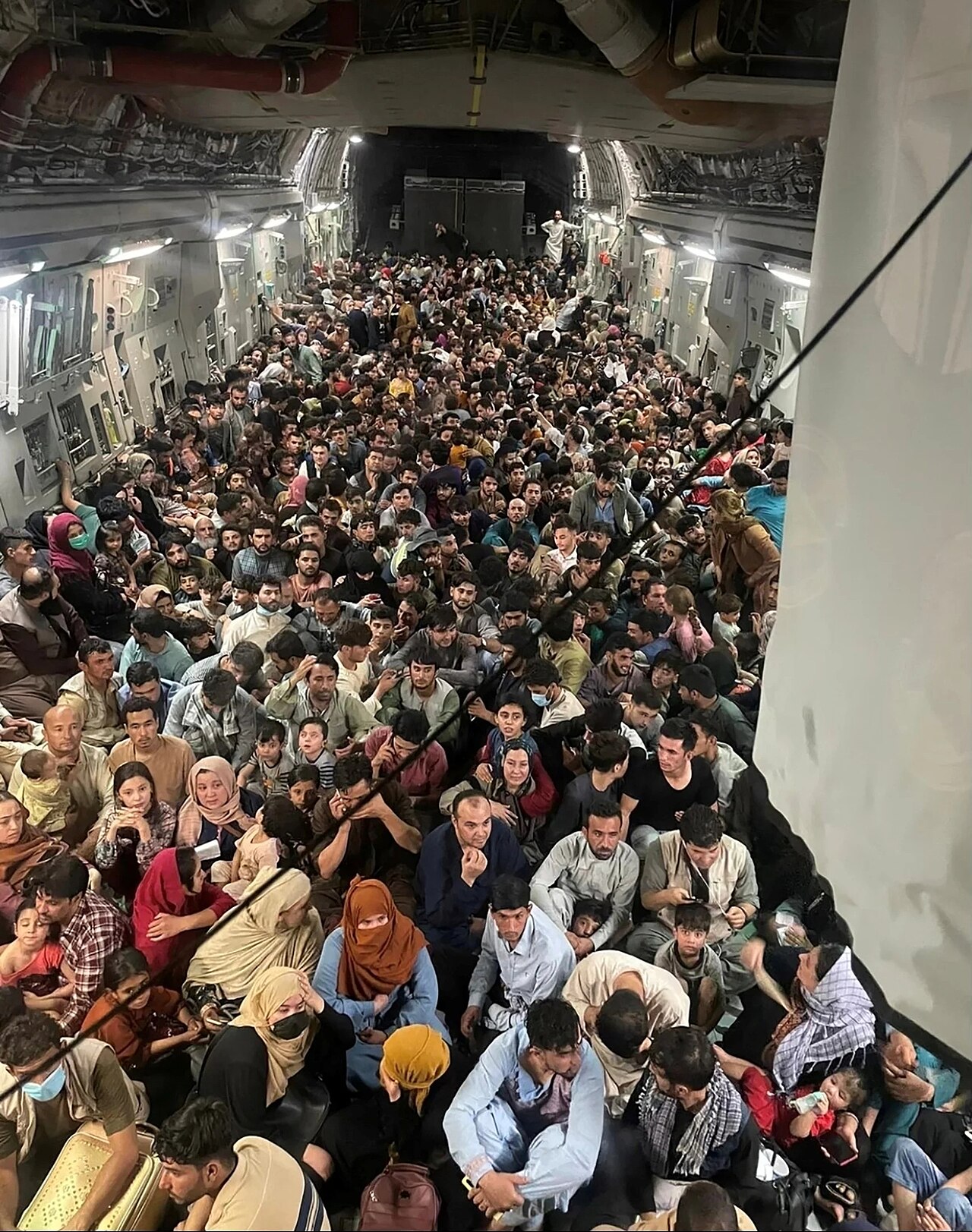
The sun sets over the Persian Gulf, casting long, orange shadows over the flight line. A transport plane climbs into the humid air, carrying a load of people who didn't want to leave, heading toward a safety they didn't ask for. Below them, the lights of the region flicker—some staying on, some going out, all of them waiting for the thunder.
The suitcase stays by the door. It is never truly unpacked. Even when they go back—if they go back—the knowledge remains: the door can be closed at any moment, and the story you were writing can be ended with a single, vibrating notification in the middle of the night.