The kettle whistles. It is a mundane, domestic sound that signals the start of a thousand small rituals across a zip code. A morning coffee. A toddler’s formula. A quick rinse of a crisp apple. For the residents of a quiet, unsuspecting district, that whistle was the herald of a biological invasion. They didn't know it yet, but the liquid flowing through their pipes—the very lifeblood of their homes—had been compromised by a silent, resilient squatter.
Cryptosporidium.
It is a name that sounds like a villain from an old sci-fi serial, but the reality is far more visceral. It is a microscopic parasite, a tiny hitchhiker that thrives in the intestines of mammals and waits, encased in a hardy shell called an oocyst, to find its next host. When it enters the municipal water supply, it doesn't just contaminate the water. It violates the unspoken social contract between a citizen and their infrastructure. We pay our taxes and our utility bills under the assumption that the "on" switch works and the water is pure. When that trust breaks, the psychological fallout is as persistent as the physical symptoms.
Consider "Sarah," a hypothetical but deeply representative composite of the hundreds affected by the recent outbreak. Sarah spent three days thinking she had a simple stomach flu. She drank more water to stay hydrated, unknowingly fueling the very fire she was trying to extinguish. Every glass of tap water she gulped down was a fresh reinforcement for the parasites colonizing her gut. By day four, the cramping was so intense she couldn't stand. By day five, she was one of the dozens calling the local health department, joining a chorus of voices describing the same agonizing story.
The company responsible eventually stepped into the light. The admission was clinical, a PR-scrubbed statement that boiled down to a terrifying reality: they had supplied water unfit for human consumption. They spoke of "technical failures" and "unprecedented environmental factors." But for the person shivering on a bathroom floor, those words are hollow. They don't account for the days of lost work, the fear of bathing a newborn, or the sudden, sharp realization that the most basic resource in your life has become a weapon.
The Invisible Shield That Failed
Water treatment is supposed to be a series of impenetrable fortresses. Most bacteria and viruses are easily dispatched by chlorine, the standard-issue infantry of water purification. But Cryptosporidium is different. It is the specialist that knows how to bypass the gates. Its outer shell is remarkably resistant to chlorine. You can douse it in levels of chemicals that would be toxic to humans, and the parasite will simply sit there, shielded and waiting.
To catch it, a facility needs sophisticated filtration—sand, membranes, or ultraviolet light that scrambles the parasite’s DNA so it can’t reproduce. When a company admits their water is "unfit," they are admitting that these fortresses were either poorly manned, improperly maintained, or fundamentally overwhelmed.
The science of the outbreak is a sequence of unfortunate events. Usually, it begins with heavy rainfall or agricultural runoff, washing animal waste into the reservoirs. If the turbidity—the cloudiness of the water—spikes, the filters struggle. If a single valve is left open or a UV lamp flickers out at the wrong moment, the oocysts slip through. They are patient. They don't need a crowd; a few dozen are enough to start a localized epidemic.
The Cost of a Broken Promise
We often talk about infrastructure in terms of concrete and steel, but the most important component is actually belief. Once you have seen brown or tainted water come out of your faucet, you never quite look at a glass of water the same way again. Even after the "boil water" notices are lifted, the phantom taste of bleach or the memory of the illness lingers.
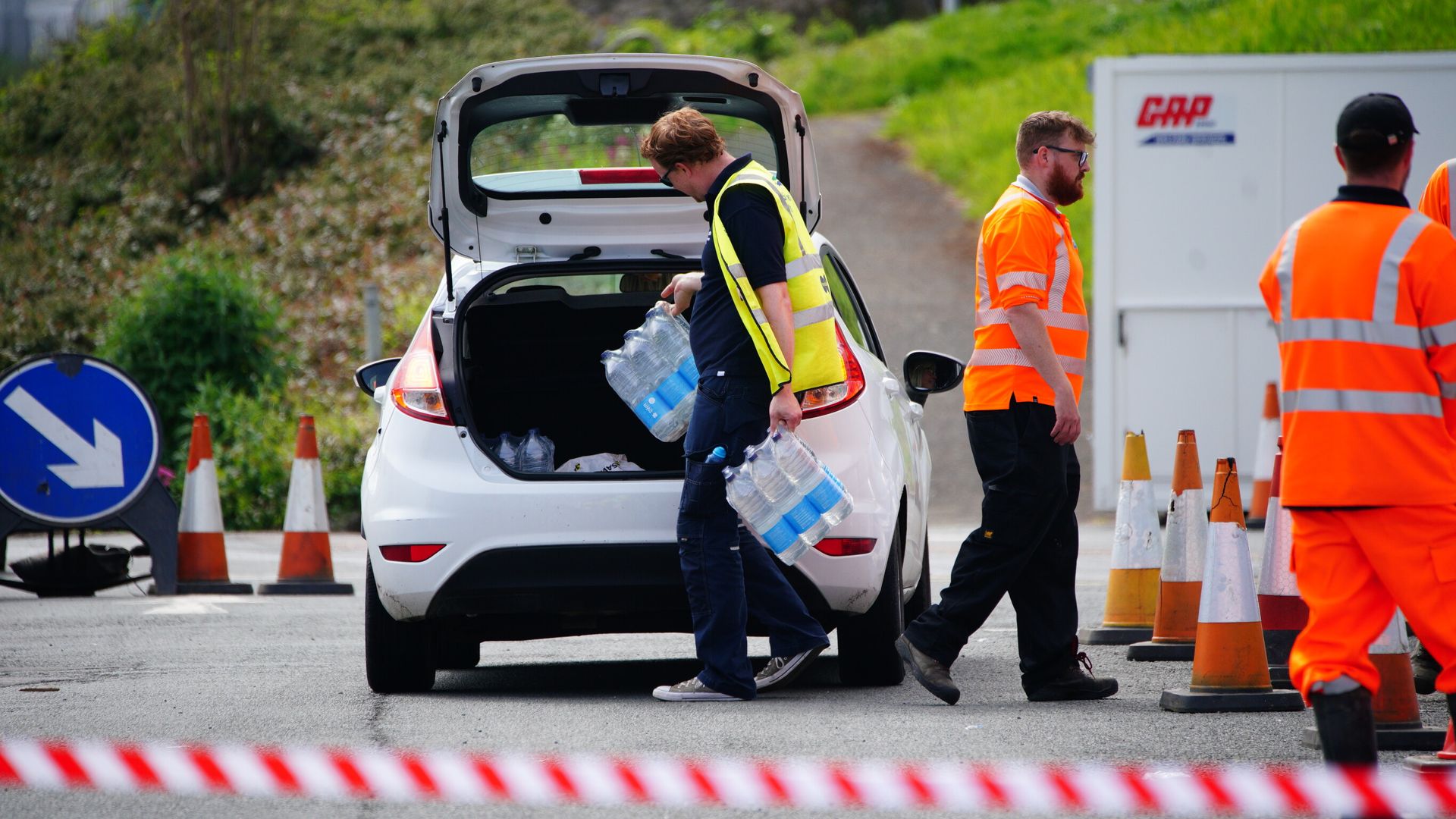
The economic ripples are just as jagged. Local cafes lose their morning rushes because they can't run their espresso machines. Schools are forced to shutter or ship in thousands of plastic bottles, creating a mountain of waste that mocks the idea of a sustainable city. The company might offer a "rebate" on the monthly bill—perhaps twenty or thirty dollars—as if that could possibly compensate for a week of physical trauma and the loss of domestic security.
It is a meager pittance for the privilege of being poisoned.
The real problem lies in the aging skeleton of our utility networks. Across the globe, we are relying on systems designed for the populations of fifty years ago, facing the environmental pressures of today. We demand cheap water, and in response, companies cut corners on maintenance or delay the expensive upgrades to their filtration tech. We are essentially gambling with our biology, betting that the old pipes and the standard chemicals will hold out for one more season.
Sometimes, the house loses.
The Ritual of the Boil
There is a specific, rhythmic exhaustion that comes with living under a boil-water advisory. It transforms the simplest tasks into logistical hurdles. You keep a pot on the stove at all times. You wait for the rolling bubbles—a violent, sanitizing dance that lasts for at least one full minute. Then you wait for it to cool. You pour it into pitchers. You use it to brush your teeth, fearful that a single stray drop from the tap will reset your recovery clock.
This ritual is a constant reminder of vulnerability. It strips away the modern luxury of thoughtlessness. In a developed nation, we are unaccustomed to thinking about our water; we simply expect it to be there, invisible and inert. Forcing a population to boil their water is a regression. it is a forced return to a more precarious way of life, where the environment is something to be feared rather than managed.
The company’s admission of guilt is only the first step in a very long journey toward restitution. They will talk about "investing in the future" and "upgrading protocols." They will point to the rarity of such events. But for Sarah, and the thousands like her, the damage is done. The next time she turns on the tap, she won’t just see water. She will see the possibility of betrayal.
She will look at the clear, sparkling liquid and wonder what is hiding in the light.
The parasites may be gone from the pipes, flushed out by high-pressure rinses and heavy doses of chemicals, but they have left a permanent mark on the community's psyche. We are reminded that our civilization is a thin veneer, held together by the competence of people we will never meet and the integrity of machines we will never see. When those fail, the world becomes a very small, very cold place, centered entirely around the desperate need for a single, clean drop.
The kettle finishes its whistle. The steam clears. But the water in the pot is no longer just a drink; it’s a hard-won victory.