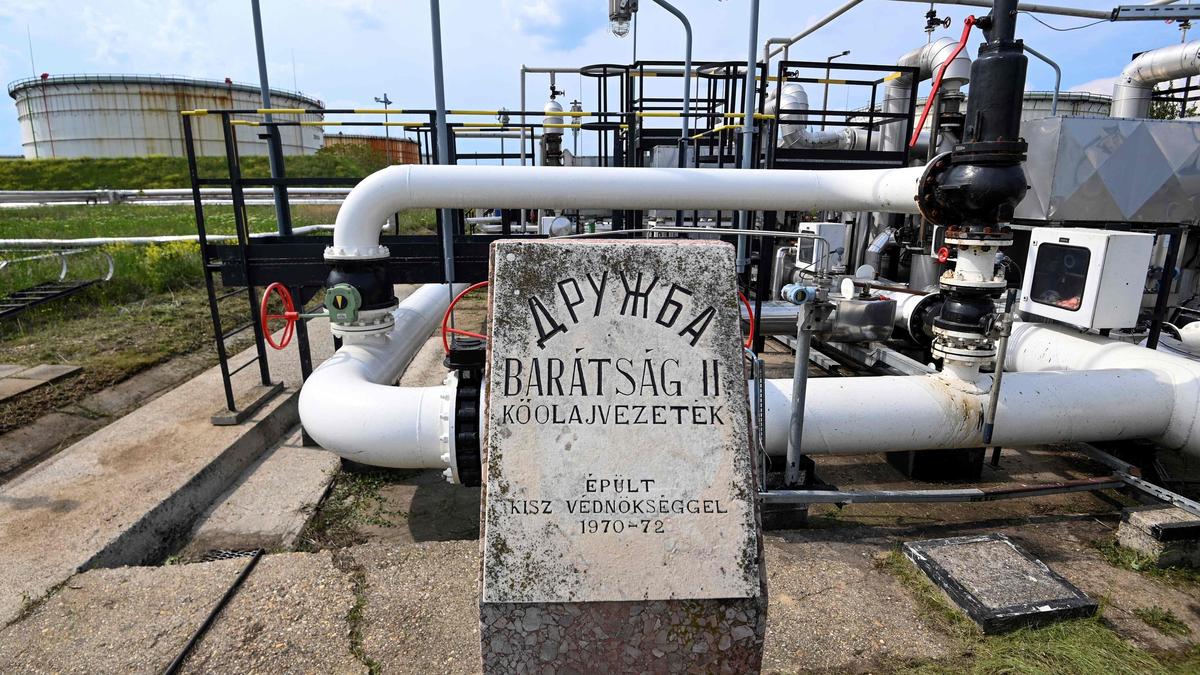
The global distribution of information is no longer a linear transmission from event to audience; it is a complex, multi-layered filtration system governed by the physics of attention and the economics of digital distribution. While traditional media frameworks prioritized editorial gatekeeping, the modern information environment operates on a logic of algorithmic resonance and geopolitical signaling. Understanding this shift requires a rigorous decomposition of how stories are manufactured, how they scale across borders, and the specific bottlenecks that distort reality into narrative.
The Tripartite Architecture of Modern News
The lifecycle of a global story can be categorized into three distinct phases of evolution. Each phase has a unique cost-to-produce and a specific yield in terms of public perception.
- The Raw Event Layer: This is the initial data output—satellite imagery, raw sensor data, or unverified eyewitness footage. At this stage, information is a commodity with high volatility and low context.
- The Contextual Synthesis: Intermediaries (news agencies, specialized analysts) process the raw data. This stage introduces the first layer of bias through selection. By deciding which variables to include and which to omit, the synthesizer creates the foundation for the eventual narrative.
- The Narrative Propagation Layer: This is where the story enters the public consciousness. Here, the goal is not accuracy but engagement. The story is optimized for specific ideological or psychological archetypes to ensure maximum velocity across social networks.
The primary failure of most contemporary analysis is the conflation of these three layers. When an audience consumes the Narrative Propagation Layer, they often mistake the emotional resonance of the story for the factual integrity of the Raw Event Layer.
The Kinetic Energy of Polarized Information
Information moves through a digital ecosystem based on its "kinetic energy"—a function of its ability to trigger a response and the friction of the platform it inhabits. In a frictionless environment (low-moderation social platforms), stories that confirm existing biases travel at higher velocities because they face less cognitive resistance from the receiver.
This creates a structural feedback loop. As a story gains velocity, it triggers algorithmic "trending" mechanisms, which then expose the story to a wider, non-aligned audience. This secondary exposure often generates friction (conflict), which paradoxically increases the story's visibility. In this model, outrage is a high-yield fuel that powers the global reach of a narrative, regardless of its underlying truth value.
Systematic Distortions in Cross-Border Reporting
When information crosses a national or linguistic border, it undergoes a process of "cultural translation" that frequently strips away nuance to fit the target audience's mental models. This distortion is driven by three primary variables:
- Proximity Bias: The perceived importance of an event is inversely proportional to its geographic and cultural distance from the observer, unless the event can be framed as a direct threat or a moral imperative.
- The Hero-Villain Heuristic: Complex systemic issues (economic collapses, civil wars) are simplified into binary conflicts between individuals. This reduces the cognitive load on the audience but obscures the structural causes of the event.
- The Resource Constraint of Foreign Bureaus: As the operational costs of maintaining physical presence in global hotspots rise, media organizations rely more heavily on "curated" local feeds. This creates a dependency on local actors who may have specific political agendas.
The result is a fragmented reality where two different populations can view the same raw data but arrive at mutually exclusive conclusions based on the narrative filters applied during the propagation phase.
The Cost Function of Verified Information
Producing high-fidelity, verified information is an expensive endeavor with diminishing returns in an attention-based economy. The cost function of truth can be expressed through the relationship between investigative depth and audience reach. Deep investigative journalism requires significant capital and time, yet the resulting "product" is often less viral than a low-cost, high-emotion opinion piece.
This creates an economic incentive for organizations to pivot toward "Narrative Arbitrage." This involves taking a factual event and wrapping it in an ideological frame that guarantees a specific audience segment will consume and share it. The margin for the provider is the difference between the low cost of the "frame" and the high engagement value it generates.
The Weaponization of Information Fatigue
A secondary effect of the high-velocity information environment is the systematic exhaustion of the consumer’s analytical capacity. Information fatigue occurs when the sheer volume of competing narratives exceeds an individual's ability to verify them. This leads to two distinct defensive behaviors:
- Retreat into Echo Chambers: Users limit their inputs to sources that provide a consistent, pre-validated worldview, effectively outsourcing their critical thinking to a trusted curator.
- Indiscriminate Skepticism: Users begin to treat all information as equally suspect, which benefits actors who wish to suppress specific truths by drowning them in a sea of plausible falsehoods.
The objective of a sophisticated information operation is often not to make the public believe a lie, but to make them doubt the existence of any objective truth. This creates a vacuum where power, rather than evidence, becomes the arbiter of reality.
Strategic Framework for Information Triage
To navigate this environment, analysts and decision-makers must adopt a rigorous protocol for information triage. This involves stripping the narrative layers back to the raw event data and identifying the incentives of the intermediaries.
- Verify the Source Provenance: Determine if the information originated from a primary observer or if it has been "re-packaged" by a secondary entity. Look for the original timestamps and metadata.
- Identify the Incentive Structure: Ask what the propagator gains from the story’s success. Is the goal influence, revenue, or distraction?
- Analyze the Omissions: Often, what is not said in a global story is more telling than what is. Identify the variables that were excluded to make the narrative cohesive.
- Cross-Reference Across Disparate Networks: Observe how the same event is reported in different geopolitical spheres (e.g., comparing Western media with MENA or Asian outlets). The points of divergence often indicate where the narrative bias is strongest.
Operationalizing Truth in an Era of Synthetic Media
The emergence of generative AI and synthetic media adds a new layer of complexity to the information flow. We are entering an era where the Raw Event Layer itself can be fabricated with high fidelity. The "Deepfake" is merely the most visible symptom; more subtle are the AI-generated "sock-puppet" accounts that can simulate organic grassroots support for a specific narrative.
The defense against this is not more technology, but a return to institutional trust based on a "chain of custody" for information. Just as physical evidence must be tracked from a crime scene to a courtroom, digital information requires a verifiable path from the point of origin to the point of consumption. Technologies like cryptographic signing of media and blockchain-based provenance logs are the necessary infrastructure for the next generation of information distribution.
The ultimate competitive advantage in the coming decade will belong to those who can maintain a "High-Signal" environment. While the rest of the world is submerged in a flood of low-cost, high-emotion noise, the ability to extract actionable intelligence from raw data will be the most valuable form of capital.
Those operating at the highest levels of strategy must treat information not as a window into the world, but as a sophisticated signal that has been intentionally shaped. The goal of the analyst is to reverse-engineer that shaping process to find the underlying reality. This requires a shift from passive consumption to active deconstruction.
The move away from narrative-driven consumption toward a data-centric, first-principles approach to global events is the only way to avoid the traps set by the current information architecture. Start by auditing your information diet: identify your primary sources, map their historical biases, and intentionally introduce high-friction, "counter-narrative" data points to test the robustness of your own internal models. Use a multi-sourced verification protocol for any data point that informs a high-stakes decision. The era of the "global story" is over; the era of the "global signal" has begun.