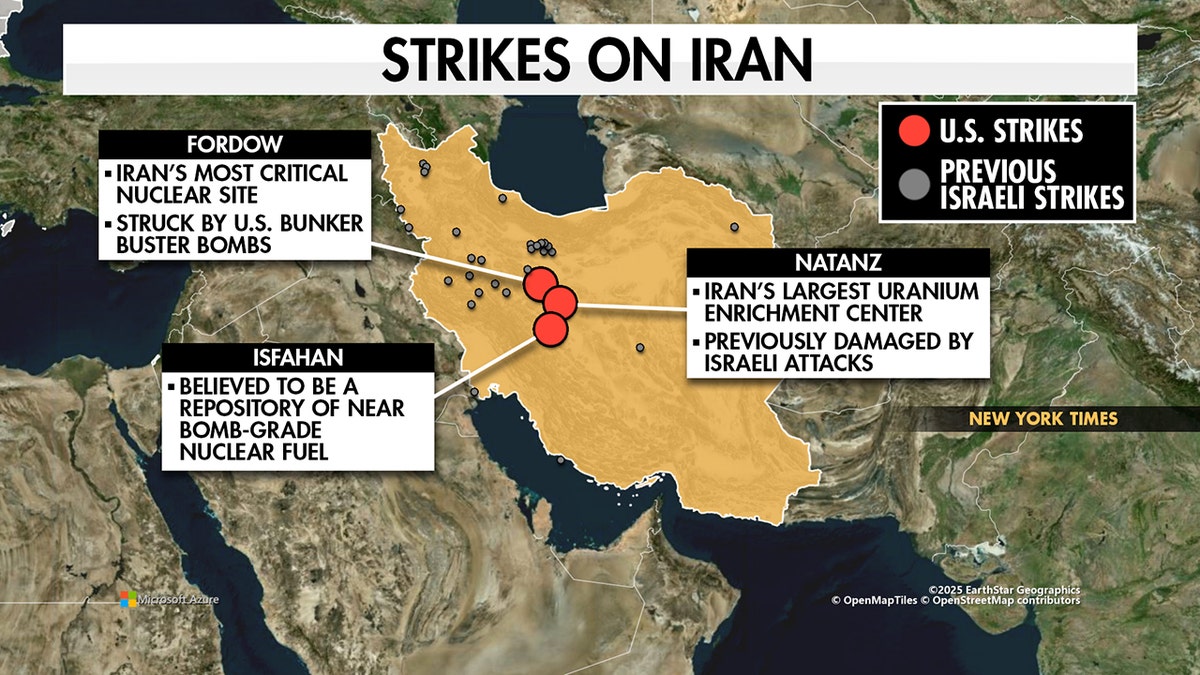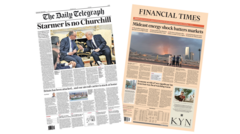
The headlines are screaming about a "Middle East energy shock" and Donald Trump’s latest digital assassination of Keir Starmer’s dignity. The mainstream financial press wants you to quiver in your boots. They want you to believe that a few drone strikes in the Levant and some mean-spirited memes from Mar-a-Lago are about to tank your portfolio and send the global economy into a dark age.
They are wrong. They are consistently, predictably, and lazily wrong.
Most analysts treat geopolitical volatility like a bug in the system. I’ve spent two decades watching these "shocks" play out from the inside, and I’m telling you: volatility isn't a bug; it’s the feature that keeps the engine running. The "energy shock" everyone is terrified of is actually the greatest liquidity event for smart capital since the 2020 rebound. As for the UK-US diplomatic "crisis"? It’s theater for people who still think world leaders make decisions based on personal feelings.
The Myth of the Fragile Oil Market
The "Middle East energy shock" narrative rests on a fundamental misunderstanding of how modern energy logistics work. The papers love to cite the 1973 oil embargo as the blueprint for disaster.
That blueprint is ancient history.
We no longer live in a world where a single choke point in the Strait of Hormuz dictates the fate of the Western world. Between the surge in US shale production, the massive strategic reserves held by OECD nations, and the quiet, relentless expansion of the "shadow fleet" of tankers bypassing sanctions, the physical supply of oil is remarkably resilient.
When you see headlines about a "price spike," you aren't seeing a shortage of molecules. You are seeing a surge in the risk premium.
Traders use these events to flush out the "tourists"—the retail investors and panicky hedge fund managers who buy high on fear and sell low on exhaustion. I’ve watched desks at major investment banks pray for these "shocks" because they provide the price action necessary to move massive blocks of capital. If the price of Brent stayed at a flat $75 for a decade, the industry would starve. They need the chaos.
The real threat isn't that we’ll run out of oil; it’s that the market will become too stable. Stability breeds complacency, and complacency leads to a lack of innovation in energy efficiency. If you want to see true economic stagnation, look for a period of low volatility.
Trump vs. Starmer: The Diplomatic Nothingburger
The media is obsessed with the idea that Donald Trump "mocking" Keir Starmer represents a fundamental breakdown in the "Special Relationship." They paint a picture of a British Prime Minister groveling for a trade deal while a vengeful Trump holds a grudge over some minor Labor Party interference in the US election.
This is a soap opera for people who don't understand how power functions.
Statecraft is not a playground. Trump is a transactional actor. He doesn't care about a tweet from a backbench MP from 2019, and he certainly doesn't care about Starmer’s personal ideology. He cares about leverage. By "mocking" the UK leadership, he is performing a standard negotiation tactic: devaluing the asset before he sits down at the table.
If you’re an investor worried about UK-US trade relations because of a few insults, you’re missing the forest for the trees. The institutional ties between the Pentagon and the MoD, and the deep integration of the City of London with Wall Street, are far more powerful than the personalities of the individuals temporarily occupying high office.
Why You Should Stop Asking "What Happens If Oil Hits $150?"
People always ask the wrong questions during a geopolitical flare-up. They ask about the ceiling. They should be asking about the floor.
The floor is where the real money is made. In every "energy shock" of the last thirty years, the most profitable move wasn't shorting the market or buying gold; it was identifying the companies that are "stress-hardened." These are the firms with fortress balance sheets that can survive a six-month spike in input costs and then swallow their smaller, panicked competitors whole when the dust settles.
Brutal honesty: Most retail investors should stay away from "playing" the Middle East crisis. You are competing against algorithms that can read a news blast and execute a million trades before the physical light from your screen reaches your eyes.
Instead of trying to time the "shock," look for the asymmetry.
The market often overcorrects on the downside for non-energy sectors during these periods. When oil goes up, everything else—tech, consumer goods, healthcare—often gets dragged down in a sympathy sell-off. That is where the opportunity lies. You aren't buying oil; you’re buying the fear of people who think oil is the only thing that matters.
The Energy Transition Paradox
Here is the counter-intuitive truth that the green energy lobby and the oil majors both hate to admit: Geopolitical instability in the Middle East is the single greatest catalyst for the adoption of renewable energy.
It’s not about "saving the planet" for most governments; it’s about national security. Every time a missile flies near a refinery in Saudi Arabia, the ROI on a domestic wind farm or a nuclear modular reactor in the UK or the US looks better.
The "shock" isn't a setback for the global economy; it’s a massive, involuntary subsidy for energy independence.
We are currently in a transition period where we need both high-density hydrocarbons and high-tech renewables. The volatility in the former accelerates the capital flow into the latter. If you’re long on the future of Western industry, you should be cheering for these moments of friction. They force the hand of lethargic politicians who would otherwise kick the "energy security" can down the road for another four-year cycle.
Stop Reading the News for Information
The biggest mistake you can make right now is reading the "The Papers" and thinking you are gaining information. You aren't. You are consuming sentiment.
The headlines about Starmer and Trump are designed to trigger your tribal instincts. The headlines about "market shocks" are designed to trigger your survival instincts. Neither of these helps you make a rational decision about your business or your capital.
I've seen institutional desks use "sentiment analysis" tools that do the exact opposite of what the headlines suggest. When the "Fear & Greed Index" hits extreme fear because of a Middle East headline, that’s usually the signal to start buying. When the headlines are full of "new era of cooperation" fluff, that’s when you should be looking for the exit.
The Reality of the "New World Order"
The competitor article tries to frame these events as signs of a world falling apart. That’s a lazy, doomerist take.
What we’re actually seeing is the recalibration of a world that was artificially stable for too long. The post-Cold War era of "The End of History" was an anomaly. We are returning to the historical norm: a multipolar world where energy is a weapon, trade is a battlefield, and leaders are loud, aggressive, and unpredictable.
This isn't a disaster. It’s a return to a high-stakes environment where the rewards for being right are astronomical.
If you’re waiting for a return to "normalcy" where the Middle East is quiet and world leaders are polite, you’re going to be waiting a long time while your capital rots. The "shock" is the new baseline. Stop trying to hedge against it and start learning how to profit from the friction.
The next time you see a headline about Trump "slamming" a foreign leader or a "crisis" in the Gulf, don't check the news. Check the bond yields. Check the spreads. If they aren't moving as much as the headlines are screaming, then the "shock" is nothing but noise.
Ignore the theater. Follow the capital.
The "Special Relationship" isn't dead because of a few insults, and the global economy isn't going to collapse because of a skirmish in the desert. The only thing in danger is the portfolio of the person who believes everything they read in the Sunday papers.
Stop being a consumer of panic. Be a provider of liquidity to the panicked. That is how you win in a world that refuses to be boring.