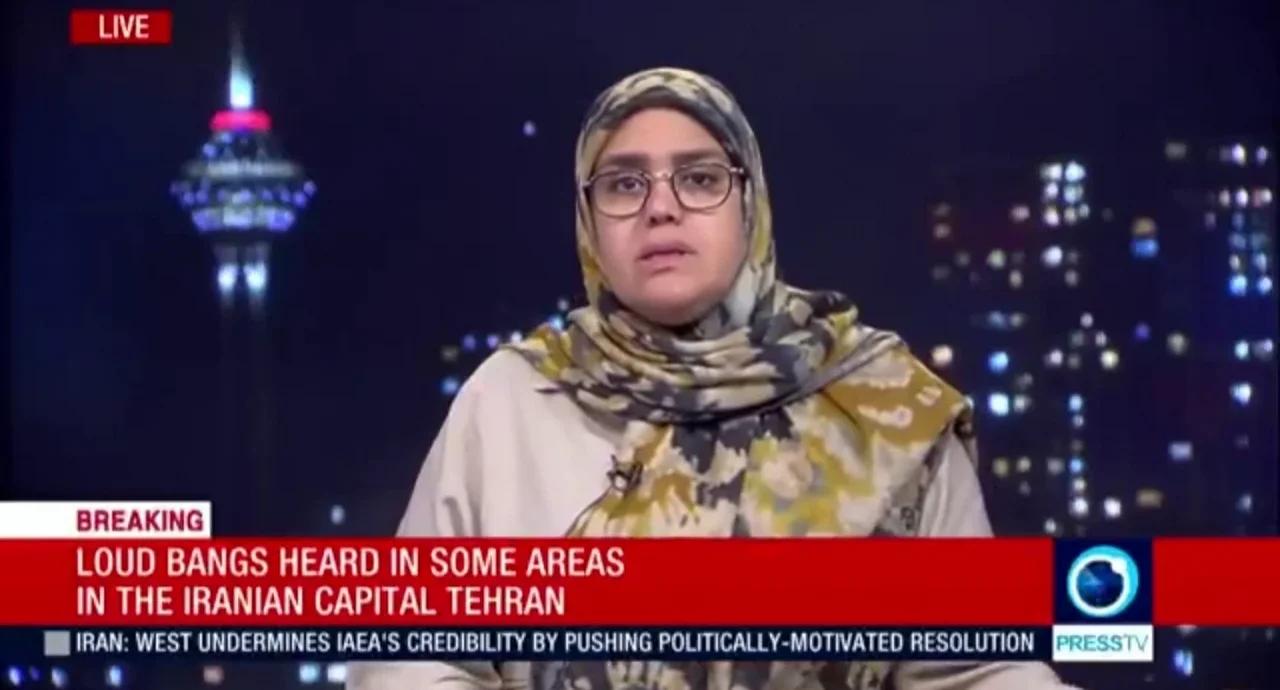
The sound of windows rattling in the middle of the night isn't something you forget quickly. For residents in Dubai and Doha, the recent wave of loud explosions wasn't just a noise complaint. It was a wake-up call that the geography of conflict in the Middle East has shifted. We're no longer looking at isolated skirmishes in distant border towns. This is about the heart of global trade and tourism feeling the tremors of Iran’s ongoing regional strategy.
If you’ve been following the headlines, you know the official line. Authorities often point to "intercepted threats" or "sonic booms." But let’s be real. When explosions happen simultaneously across major Gulf hubs, it signals a level of escalation that should make every policy analyst and expat nervous. Iran is pushing a message, and they’re using the silence of the desert night to amplify it.
The Reality Behind the Night Sky Flashes
The reports coming out of the UAE and Qatar aren't just social media rumors. While state media often stays quiet to protect tourism and investor confidence, the physical evidence is hard to ignore. We've seen a pattern where Iranian drone and missile tech is tested against some of the most sophisticated defense systems on the planet.
Most people think these explosions are direct hits. They aren't. In almost every case, what people hear are high-altitude interceptions. The Patriot missile batteries and the THAAD (Terminal High Altitude Area Defense) systems are working overtime. When an interceptor hits a target at supersonic speeds, the energy release is massive. That’s the "boom" that wakes up the Marina in Dubai or the West Bay in Doha.
It’s a terrifying game of cat and mouse. Iran uses "saturation" tactics. They send enough cheap hardware to see where the gaps are in the expensive armor. It’s a low-cost way to keep their neighbors—and the Western interests stationed there—on a constant state of high alert.
Why Dubai and Doha are the New Targets
You might wonder why these cities are in the crosshairs now. It’s about leverage. Dubai is the world’s playground. Doha is the mediator for almost every major conflict in the region. By creating a sense of insecurity in these specific spots, Iran hits the Gulf where it hurts most: the economy.
- Tourism and Image. If a traveler thinks twice about booking a flight to DXB because of "explosions," the mission is halfway accomplished.
- Energy Markets. Doha’s role in the gas market is vital. Any hint of instability near the North Field sends ripples through global energy prices.
- Defense Testing. These cities are protected by the best tech money can buy. For Iran, every launch provides data on how to bypass Western-made sensors.
It’s a brutal calculation. They don't need to level a building to win. They just need to break the illusion of total safety that these cities have built over the last twenty years.
The Infrastructure of Interception
We need to talk about what’s actually happening in the air. The UAE and Qatar have invested billions in integrated air defense. This isn't just a few launchers on the beach. It’s a mesh of radar, satellite tracking, and rapid-response units.
When a launch is detected from Iranian soil or by one of their proxies in the region, the math happens in milliseconds. Computers decide if the projectile is a threat to a populated area. If it is, an interceptor is fired. The "explosions" are proof that the system is working, but they're also a reminder of how close the threat really is.
I’ve talked to security contractors who’ve seen the telemetry. They'll tell you that the sheer volume of "objects" being tracked in the Persian Gulf at any given moment is staggering. It’s a crowded sky. Differentiating between a commercial drone, a bird, and a suicide UAV (unmanned aerial vehicle) is a constant nightmare for operators.
What the Headlines Often Miss
Most news outlets like NDTV focus on the "who" and the "where." They rarely talk about the "how much." Every time a loud explosion echoes over Doha, someone just spent 2 to 4 million dollars. That’s the cost of a single interceptor missile. The drone it destroyed? Probably cost about 20,000 dollars.
This is an asymmetric war of attrition. Iran can afford to lose a hundred drones. The Gulf states cannot afford to run out of interceptors. This is why the United States has been rushing to replenish stockpiles in the region. It’s not just about the "boom"—it’s about the bank account.
There’s also the psychological factor. Living in a city that sounds like a war zone at 3:00 AM changes how people behave. People stop going out. They start looking at exit strategies. They move their money. Iran knows this. They're playing a long game of psychological wear and tear.
How to Stay Informed and Safe
If you’re living in or traveling through the region, don't rely on WhatsApp forwards. They’re full of panic and fake videos.
- Follow Official Civil Defense Channels. They're slow, but they're the only ones with verified data.
- Understand the Sound. A muffled thump is usually an interception far away. A sharp crack that vibrates windows is much closer.
- Have a Plan. It sounds paranoid, but knowing where the reinforced areas of your building are is just common sense in 2026.
The Middle East is at a crossroads. The era of "it can't happen here" is over for the Gulf’s major cities. These explosions are the new background noise of a region struggling to find a balance between massive growth and ancient rivalries.
Keep your emergency notifications turned on. Monitor the flight paths on tracking apps if you hear something unusual. Often, a sudden change in commercial flight patterns is the first real sign that the airspace is being cleared for defense operations. Stay sharp and don't let the noise distract you from the bigger picture of regional shifts.