The water in the C-54 Canal doesn’t move like the ocean. It doesn’t crash or roar. It creeps. It is a slow, deceptive glass that reflects the heavy Florida sky and masks the tangled world beneath the surface. To a kayaker out for a morning paddle, the canal is a place of solitude. But on a Tuesday that felt too bright for its own news, that solitude shattered.
A body was found.
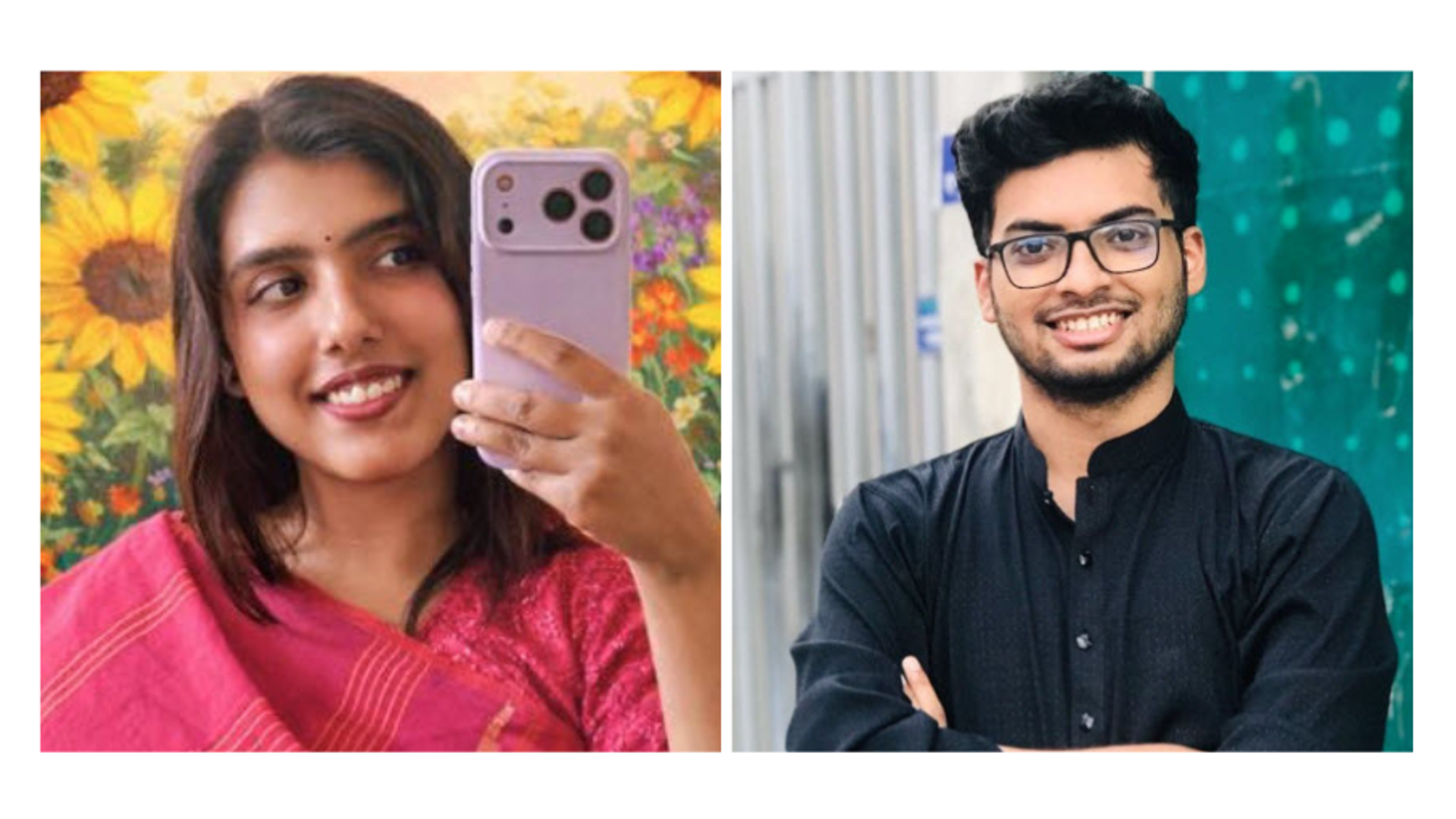
It wasn't a nameless tragedy for long. The Brevard County Sheriff’s Office eventually confirmed what a grieving community already feared. This was the end of a desperate search. This was the second student from Bangladesh, a young man who had traveled thousands of miles to chase a dream, only to be claimed by a waterway that looks far safer than it is.
The Weight of an Empty Chair
Distance is a funny thing. We measure it in miles, but families measure it in heartbeats. When a student leaves a home in Dhaka to study in Florida, they aren't just moving to a different time zone. They are carrying the collective hopes of a neighborhood. They are the investment of a lifetime.
Imagine a kitchen in Bangladesh. The smell of mustard oil and fried spices lingers in the air. A mother checks her phone every ten minutes, waiting for a WhatsApp notification that usually says "I'm safe" or "I'm heading to class." When that notification stops coming, the silence is louder than any explosion.
The first student was found days earlier. The search for the second was a grueling exercise in hope against logic. Helicopters circled. Dive teams disappeared into the murky green. While the official reports used words like "recovery efforts" and "search perimeter," the reality was much more visceral. It was a race against the elements in a state where the water is often a predator.
The Invisible Stakes of the Unknown
Florida’s inland waters are a unique brand of beautiful and treacherous. To an international student, the landscape is alien. In the United States, we grow up with warnings about rip currents, alligators, and the sudden drop-offs of man-made canals. We know that a calm surface is often a lie.
But if you didn't grow up here?
You see a body of water. You see a place to cool off or a spot to sit by the edge. You don't see the silt that can trap a foot. You don't see the way the temperature drops a few feet down, shocking the muscles into a cramp that makes swimming impossible.
The tragedy of these two students—young men with bright futures at the Florida Institute of Technology—is a stark reminder of the cultural gap in safety education. We focus on the academic transition. We talk about visas and credits and housing. We rarely talk about the geography of survival. We assume the environment is a neutral backdrop. It isn't.
A Community in Suspension
For the Bangladeshi community in Melbourne and the surrounding areas, the days between the first discovery and the second were a blurred nightmare. There is a specific kind of agony in the "missing" status. It is a suspension of grief. You cannot fully mourn because a tiny, irrational part of your brain insists there might be a miracle.
Then the kayaker sees something.
The call goes out. The yellow tape goes up. The miracle dies.
The identity of the second student solidified the scale of the loss. Two lives, intertwined by their origin and their destination, ended in the same stretch of water. It wasn't just a local news story. It was a rupture in the fabric of an international family.
The Mechanics of Grief
When we read these headlines, we often look for someone to blame. We want to know if there were signs. Were they swimming? Did a boat capsize? We look for the "how" because the "why" is too painful to touch. The "why" is just gravity and water and bad luck.
The Florida Institute of Technology is a place where people go to learn how to build things, how to fly planes, how to understand the stars. It is an institution dedicated to the mastery of the physical world. To have the physical world turn so violently against its own students feels like a betrayal of the very mission of the school.
The loss of these students ripples outward. It affects the professors who saw their potential. It affects the classmates who shared late-night study sessions over bad coffee. Most of all, it creates a void in a home across the world that can never be filled by a degree or a memorial service.
The River Doesn't Remember
There is a coldness to the way nature moves on. By the day after the recovery, the C-54 Canal looked exactly the same. The birds returned to the reeds. The water continued its slow, indifferent crawl toward the coast.
But for those who watched the search, the map of Florida has changed. A spot that was once just a coordinate on a GPS is now a tombstone. We are left with the crushing realization that for all our technology and our connectivity, we are still small. We are still vulnerable to the sudden turn of a current.
The story of the two students from Bangladesh is more than a cautionary tale about water safety. It is a story about the fragility of the bridges we build between worlds. Every international student is a bridge. When one falls, the whole structure shakes.
As the bodies are prepared for their final journey home, the logistics of the tragedy take over. There are forms to sign. There are flights to arrange. The bureaucracy of death is a hollow distraction from the central fact: two chairs are empty, and they will stay that way.
The sun sets over the Atlantic, casting long, golden shadows across the Florida scrubland. In Dhaka, the sun is just rising. A phone sits on a kitchen table. It is silent. The water has had its say, and the rest of us are left to find words in the quiet that follows.