China’s food security is not a domestic production problem; it is a maritime bottleneck problem. While Beijing has achieved near-total self-sufficiency in staple grains like rice and wheat, its dependency on imported proteins and oils creates a structural weakness that an escalation in the Persian Gulf would immediately exploit. The current geopolitical friction involving Iran does not merely threaten oil prices—it threatens the calorie-to-protein conversion chain that sustains the Chinese middle class.
The Triad of Food Vulnerability
To understand why China views a Middle Eastern conflict as a direct threat to its internal stability, one must decompose its food supply into three distinct risk categories: Direct Caloric Import, Input Dependency, and The Malacca Choke Point.
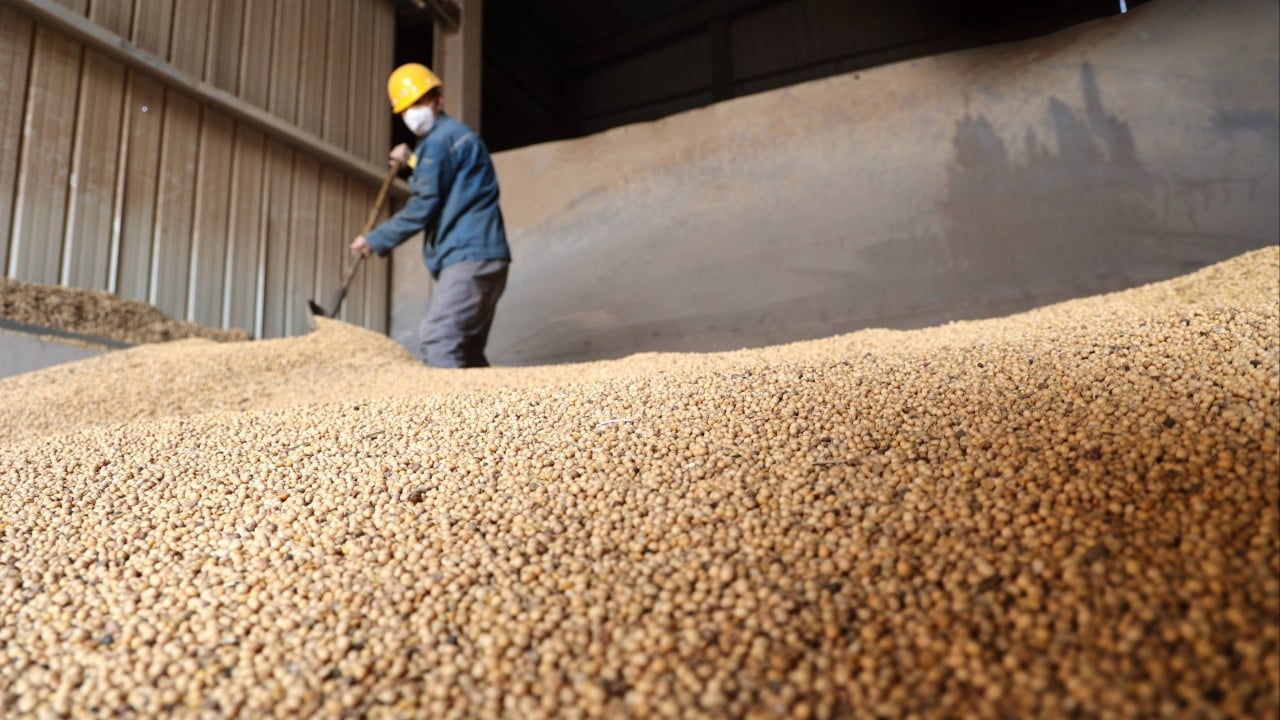
- The Soy Protein Bridge: China imports approximately 100 million metric tons of soybeans annually, primarily for animal feed. This is the bedrock of its pork and poultry industry. Any disruption in global shipping lanes or the financing of these commodities creates an immediate inflationary spike in domestic food prices.
- The Hydrocarbon-Fertilizer Nexus: Nitrogen-based fertilizers are a byproduct of natural gas. China is the world's largest producer and consumer of these fertilizers. A conflict in the Persian Gulf that spikes LNG prices or reduces availability forces a choice: divert gas to power the industrial grid or divert it to maintain crop yields.
- The Strait of Hormuz Kinetic Risk: While China does not import the majority of its food through Hormuz, it imports the energy required to process, transport, and refrigerate that food through this specific corridor.
The Fertilizer Cost Function
Agricultural productivity is inextricably linked to energy costs. The Haber-Bosch process, which synthesizes ammonia for fertilizer, is energy-intensive. In a scenario where Iranian regional dominance or a broader conflict closes the Strait of Hormuz, the global energy market enters a state of structural deficit.
The impact on China follows a specific mathematical decay:
- Stage 1: Rising Brent Crude and LNG prices increase the "farm-gate" cost of production.
- Stage 2: Marginal fertilizer producers in China, who rely on coal-to-gas conversion or imported LNG, cease operations due to negative margins.
- Stage 3: Soil nutrient depletion in the subsequent planting season leads to a non-linear drop in yield per hectare.
The relationship between energy price volatility and food output is not 1:1. Because biological systems have "tipping points," a 20% reduction in fertilizer application does not result in a 20% reduction in yield; it can trigger a total crop failure in nutrient-poor soil regions.
Deconstructing the Maritime Logistics Fragility
The competitor narrative often focuses on "supply shortages," which is a misnomer. The world has enough food; the problem is the kinetic cost of transit.
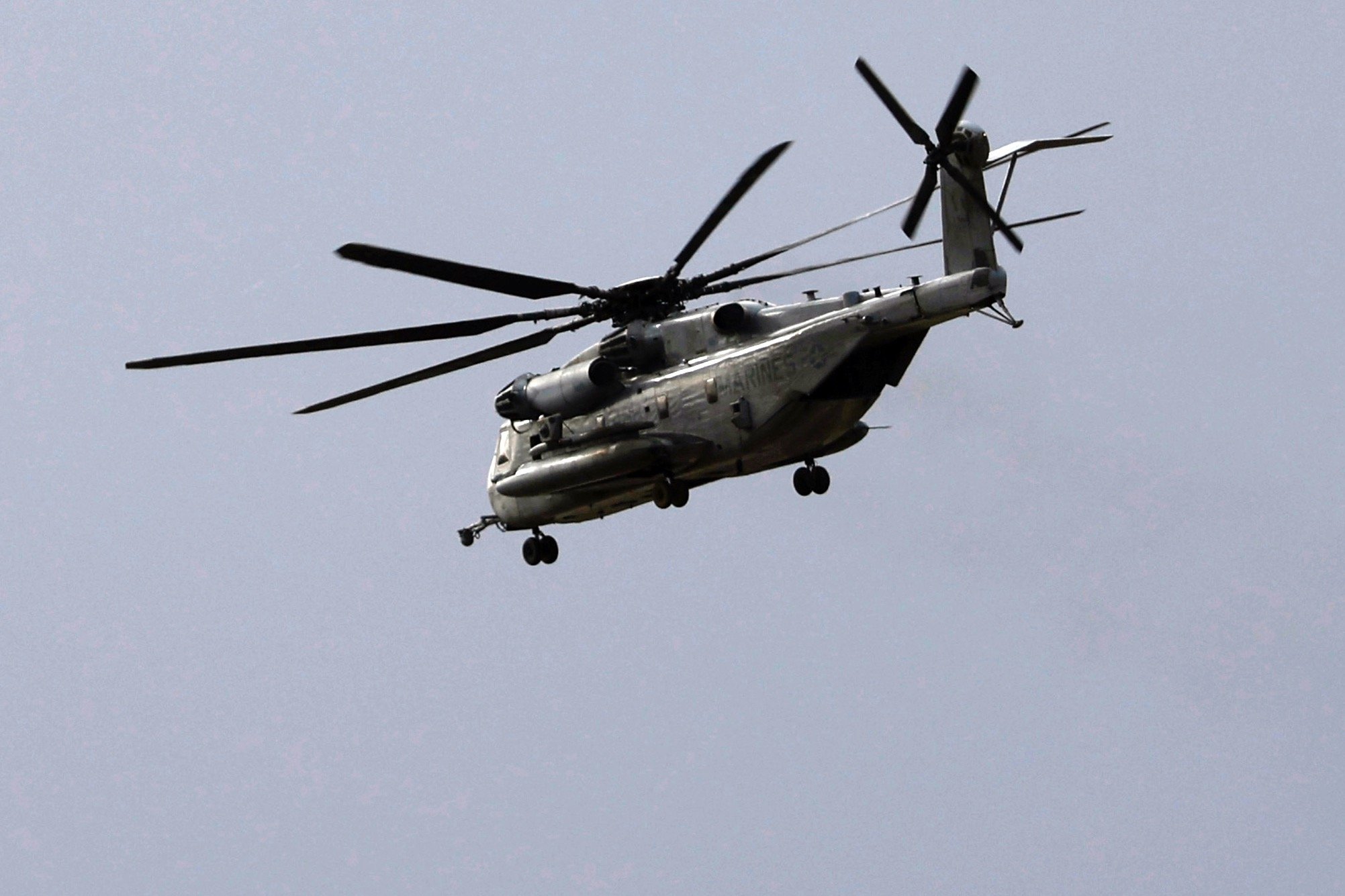
A conflict involving Iran introduces "War Risk Insurance" premiums. When shipping companies see a theater of operations expand, insurance P&I clubs (Protection and Indemnity) hike rates or withdraw coverage for the Persian Gulf and surrounding Indian Ocean routes. China’s "Belt and Road" maritime infrastructure is designed for high-volume, low-friction trade. It is not currently hardened for a high-intensity conflict environment where merchant vessels are valid targets for loitering munitions or fast-attack craft.
The Malacca Dilemma is the second half of this equation. If the U.S. or a coalition force responds to Iranian aggression by patrolling the Indian Ocean, China’s food imports from Brazil and the United States—which must transit these waters—become a geopolitical lever. Beijing's "warned" food security risks are an admission that they cannot yet protect their long-range supply lines with the People's Liberation Army Navy (PLAN).
The Feed-to-Meat Conversion Ratio (FCR) as a National Security Metric
China’s transition from a carbohydrate-based diet to a protein-based diet has worsened its exposure to external shocks. The Feed Conversion Ratio (FCR) measures how many kilograms of grain are required to produce one kilogram of edible meat.
- Pork: ~3.0 to 3.5 FCR
- Poultry: ~1.7 to 1.9 FCR
- Beef: ~6.0 to 10.0 FCR
As China's middle class demands more pork and beef, the "grain equivalent" of its food demand scales exponentially. A 5% disruption in global soy or corn markets—caused by the financial contagion of an Iranian war—does not just mean less oil for cooking; it means a systemic collapse of the livestock sector. China’s Strategic Pork Reserve is a short-term dampener, but it cannot survive a multi-year disruption of the global maritime commons.
Institutional Response: The Diversification Fallacy
Beijing has attempted to mitigate these risks through "geographic diversification," investing heavily in farmland in Africa, Southeast Asia, and Eastern Europe (Ukraine). However, this strategy fails to account for the Uniformity of Global Commodity Pricing.
Even if China owns the farm in Ethiopia, the cost to ship that grain is dictated by global bunker fuel prices and global insurance rates. If the Persian Gulf is in flames, the "origin" of the food becomes secondary to the "cost of movement." Furthermore, the invasion of Ukraine has already removed a significant portion of China's "safe" non-Hormuz grain supply, forcing them back into a reliance on the very maritime routes currently threatened by Middle Eastern instability.
Synthetic Biology and the Domestic Substitution Strategy
The Chinese Ministry of Agriculture and Rural Affairs (MARA) is pivoting toward technology-side solutions to decouple food from the Persian Gulf. This includes:
- Synthetic Meat and Precision Fermentation: Reducing the reliance on the FCR by bypasses the animal entirely.
- Salt-Tolerant Rice (Seawater Rice): Utilizing marginal lands to increase the domestic caloric floor.
- Genetically Modified (GM) Corn and Soy: After years of hesitation, Beijing is fast-tracking domestic GM traits to squeeze every possible calorie out of its limited arable land.
These are not "lifestyle choices" or "green initiatives." They are hard-coded survival mechanisms designed to shorten the supply chain from "The Americas via the Indian Ocean" to "Domestic Laboratories."
Strategic Recommendation for Market Entrants and Analysts
The threat of an Iran-led regional conflict serves as a catalyst for a massive capital reallocation within the Chinese domestic market. The focus is shifting from "Trade and Logistics" to "Bio-Chemical Autarky."
To navigate this, one must monitor the Sino-Iranian Energy-for-Infrastructure swaps. China’s attempts to stabilize Iran are not born of ideological alignment, but of the desperate need to keep the "Hormuz Valve" open. If this fails, the following sequence is a mathematical certainty:
- Domestic food price controls will be enacted in China to prevent social unrest.
- The State-Owned Enterprises (SOEs) like COFCO will prioritize "volume at any cost," outbidding smaller nations for available spot-market grain, causing a secondary food crisis in developing nations.
- Capital will flow aggressively into CRISPR and agricultural biotech firms within the Shenzhen and Shanghai exchanges as the state mandates an "Information over Matter" approach to calories.
The strategic play is to move away from assets tethered to maritime globalism and toward the localized, high-tech agricultural infrastructure that Beijing is now forced to build under the shadow of a Persian Gulf explosion. The risk is no longer a "possibility"—it is the baseline for China’s 2026-2030 economic planning.