The neon "Open" sign in the window of a corner hardware store doesn't just signal that the door is unlocked. It is a pulse. For Maria, a second-generation shop owner in a blue-leaning suburb of Pennsylvania, that pulse has felt increasingly erratic. She spends her Tuesday nights staring at a spreadsheet that refuses to lie. The cost of bulk galvanized nails is up. The electricity to keep the lights humming through a ten-hour shift has spiked. Her loyal customers, the ones who used to buy a new power drill on a whim, are now asking if she has a refurbished trigger switch to fix their old one instead.
Maria is a lifelong Democrat. She believes in the social safety net and the power of community. But when she looks at the ballot, she isn't thinking about grand ideologies or the latest cable news firestorm. She is thinking about the survival of her floorboards. If you enjoyed this article, you should look at: this related article.
This is the quiet, tectonic shift happening across the American landscape. It is not a sudden explosion of political conversion, but a slow, grinding erosion of old loyalties. Small business owners, once the predictable bedrock of their respective parties, are beginning to cross the aisle in ways that would have seemed impossible four years ago. They are following the numbers.
The Arithmetic of the Dinner Table
The narrative often pushed by pundits is one of cultural warfare, but for the person responsible for a payroll of twelve people, the primary language is arithmetic. Recent data reveals a stark trend: Donald Trump is making significant gains with small business owners, even among registered Democrats and independents. The reason is deceptively simple. Under the current administration, the "vibe" of the economy—the intangible sense of security—has fractured for the person running a local cafe or a landscaping crew. For another perspective on this development, check out the latest coverage from The Motley Fool.
Consider the "Regulatory Creep." To a massive corporation with a legal department the size of a small village, a new federal filing requirement is a rounding error. To Maria, it is three hours of her Sunday night taken away from her children. When Trump speaks about deregulation, he isn't just talking to oil tycoons. He is talking to the woman who feels like she needs a permit just to breathe in her own storefront.
The Perception of the Strongman’s Ledger
There is a psychological phenomenon at play here. When people feel the ground shifting beneath them—due to inflation, supply chain ghosts, or the rising cost of borrowing—they often look for a perceived "builder." Trump’s brand, forged in the gilded era of New York real estate, resonates with the person who has to fix a leaky roof and balance a checkbook simultaneously.
Business owners tend to be pragmatists by necessity. They are the first to feel the heat of a cooling economy. When the Federal Reserve nudges interest rates higher to battle inflation, the small business owner sees their line of credit tighten instantly. They see the "Help Wanted" sign stay in the window for six months because they can’t compete with the subsidized benefits of a multinational conglomerate.
In this environment, the memory of the 2017 Tax Cuts and Jobs Act takes on a nostalgic glow. For a Democrat like Maria, the social rhetoric of the Republican platform might still feel abrasive, yet the memory of a lower tax bill is a physical sensation. It’s the difference between hiring a new apprentice or letting the old one go.
The Invisible Stakeholders
We often forget that a small business is a delicate ecosystem. When the owner suffers, the "invisible stakeholders" suffer too. These are the high school kids getting their first paycheck, the local Little League team looking for a jersey sponsor, and the elderly neighbor who gets their coffee on credit until Social Security hits.
When these owners begin to tilt toward Trump, they aren't necessarily endorsing every post on social media. They are casting a vote for what they perceive as a "pro-business" shield. They see a choice between a philosophy that views them as a source of tax revenue and one that, however flawed, views them as the engine of the machine.
The Democrat’s Dilemma
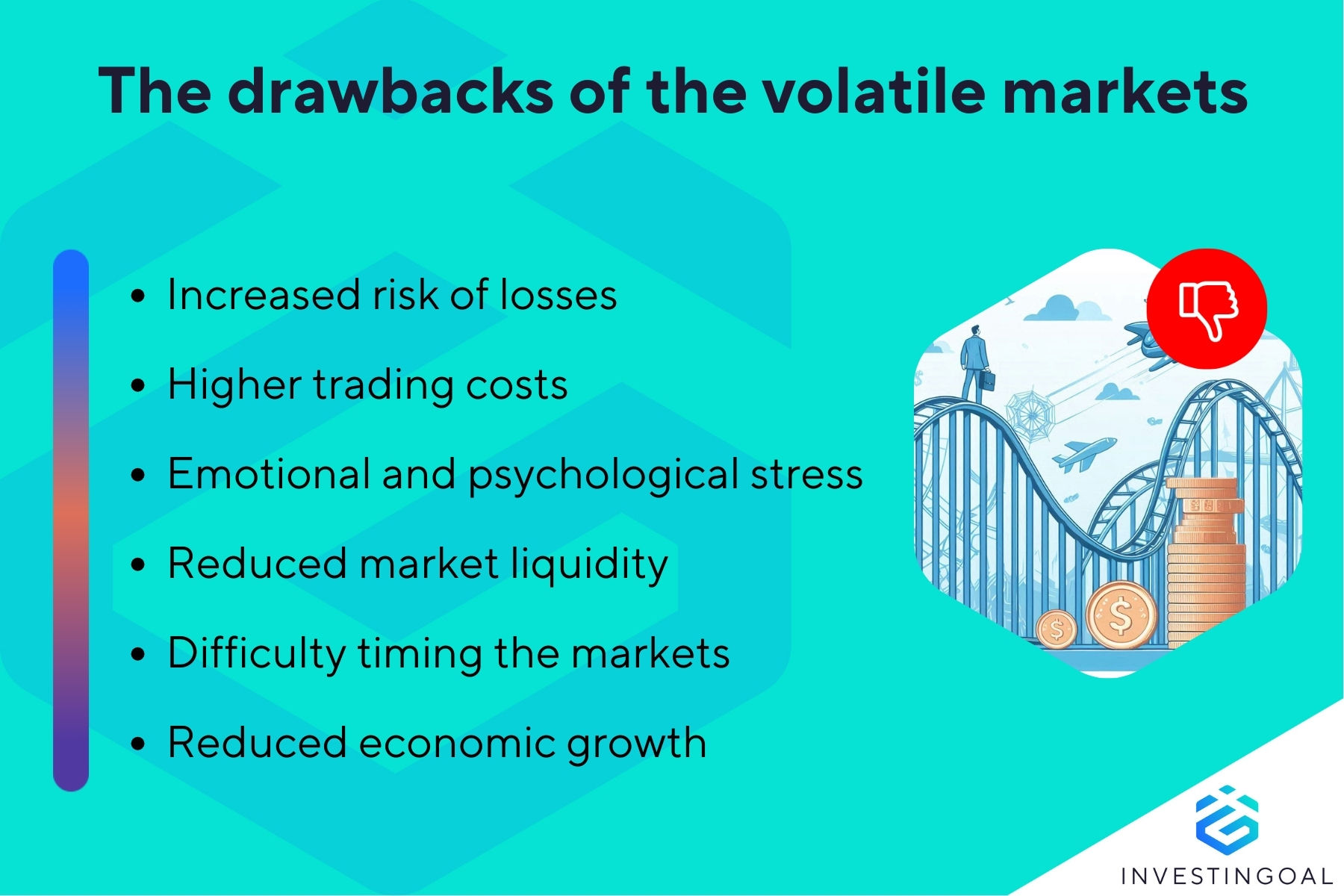
The most fascinating segment of this shift is the "Blue Business Owner." These are individuals who value environmental protections and social equity, yet find themselves alienated by the current economic friction. They feel caught in a pincer movement. On one side, the costs of goods and labor are skyrocketing; on the other, the tax burden remains unrelenting.
They listen to the current administration talk about "macroeconomic indicators" and "strong job growth," but they look at their own empty tables at 2:00 PM and feel gaslit. The disconnect between the data on a White House briefing slide and the reality of a half-empty cash drawer is where political realignment is born.
It is a visceral, gut-level reaction to the feeling of treading water while wearing lead boots.
The Ghost of Certainty
Business thrives on one thing above all else: predictability. They need to know what a dollar will be worth in six months. They need to know that the rules of the game won't change mid-inning. Right now, the world feels like a kaleidoscope of uncertainty.
Trump’s economic messaging, regardless of its objective long-term impact, offers the illusion of a fixed point. It promises a return to a time when the primary concern was growth, not survival. For the owner of a dry cleaner or a boutique, that promise is an intoxicating siren song.
They are tired of being told that the economy is great by people who have never had to worry about making rent on a commercial lease. They are tired of the complexity.
The Final Calculation
This shift isn't about a love for the man; it's about a desperate need for the method. The gains Trump is making among small business owners represent a failure of the current establishment to speak the language of the ledger. It is a warning shot fired from the cash registers of middle America.
As the sun sets over Maria's hardware store, she clicks off the light. She isn't thinking about the next rally or the latest scandal. She is thinking about the $4,000 she needs to find by Friday. She is thinking about the fact that four years ago, she didn't have to look for it; it was already there.
The pulse is slowing, and she will vote for whoever promises to make it beat again.