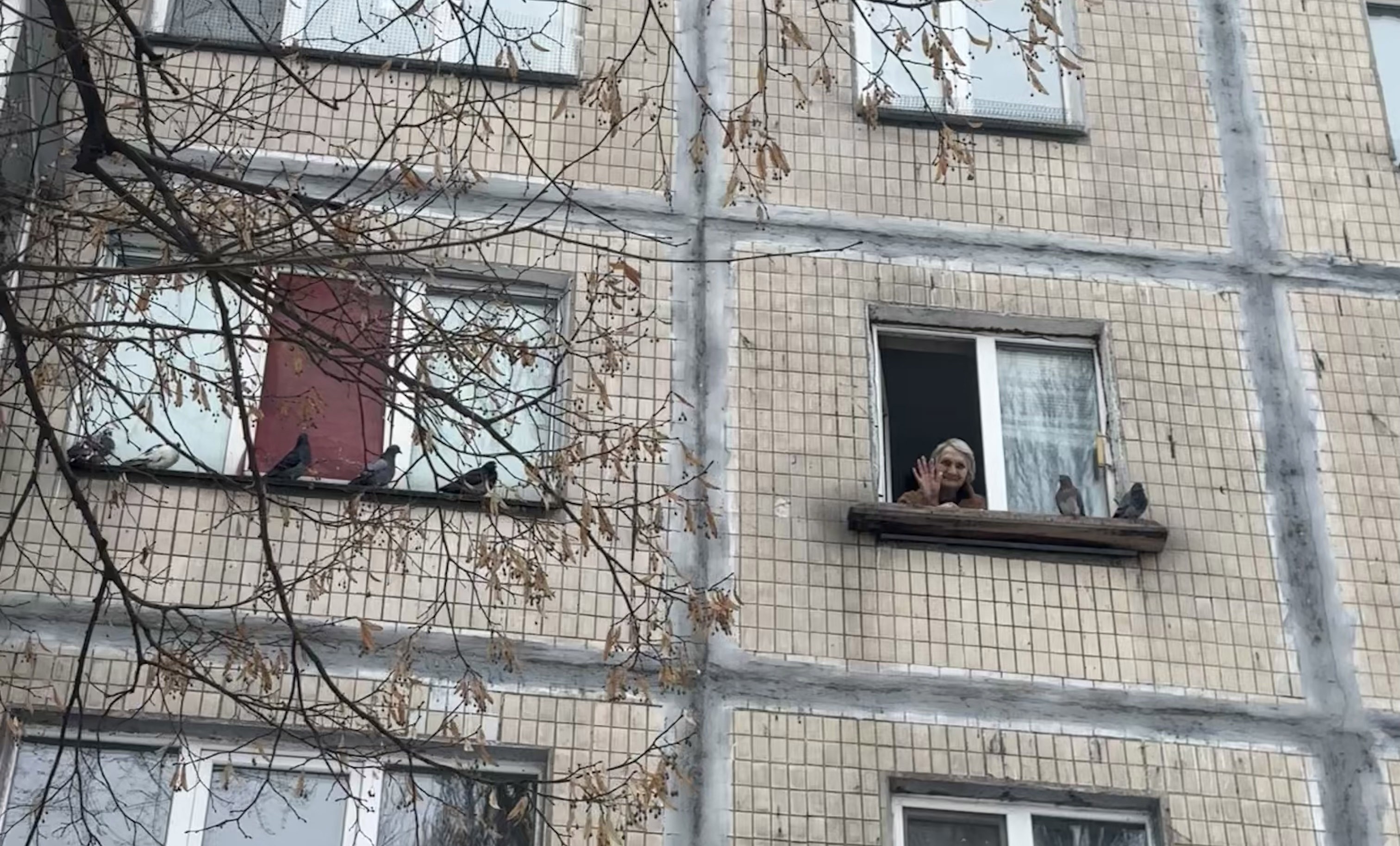
Living in a high-rise apartment in Kyiv during a blackout isn't just an inconvenience. For the elderly, it’s a mechanical trap. When the sirens wail and the power cuts, the elevators die. For an 80-year-old with osteoarthritis or a heart condition, a tenth-floor apartment becomes a solitary confinement cell. They can't descend to the shelters, so they sit in the dark, listening to the dull thud of intercepted drones, waiting for the light to return.
The world sees the headlines about missile strikes and energy grids. What the headlines miss is the quiet, grinding endurance of a generation that already survived the Soviet era, only to face a twilight defined by "thermos cooking" and battery-powered lanterns. These people aren't just "victims." They're tactical experts in survival. They know exactly how many blankets it takes to keep a bed warm when the radiators go cold. They know which corner of the hallway is safest during a ballistic missile alert.
The Math of Survival in a Cold Apartment
When the power goes out, the temperature doesn't drop instantly. It’s a slow, leaching chill. In Kyiv’s older "Khrushchyovka" buildings, insulation is a dream from a different century. The walls are thin. Within six hours of a total grid failure, the indoor temperature can slide toward 10°C.
For a younger person, that’s a reason to put on a hoodie. For an elderly resident, it’s a medical emergency. Hypothermia isn't always a dramatic freezing; it’s a slow slowing of the heart, a thickening of the blood. I’ve seen residents who wear four layers of wool, topped with a heavy coat, just to sit in their own kitchens. They don't move much because moving burns calories they might not be able to replace easily.
Food becomes a logistical puzzle. If you have an electric stove, you’re done. Many seniors have turned to small portable gas canisters, the kind used for camping. But using those in a cramped, unventilated kitchen is a recipe for carbon monoxide poisoning. They do it anyway. They have to eat. They boil water for tea, which is more than a drink—it’s a hand-warmer and a morale booster.
The Psychology of Staying Put
You might ask why they don't just leave. Why stay in a city that is a primary target? It’s a valid question, but the answer is layered and, honestly, heartbreaking. For many of Kyiv’s seniors, their apartment is their only asset. It’s their history. Moving to a displacement center in western Ukraine or a refugee camp in Poland means losing their autonomy.
"I survived the hunger of the past, I will survive this," is a sentiment you hear constantly. It’s a mix of stubbornness and a deep-seated connection to the soil. There’s also the physical reality of relocation. If you can barely walk to the corner store, how do you navigate a bus to the border? How do you carry your life in a single suitcase?
The isolation is the real killer. Before the full-scale invasion, the local park or the bench outside the apartment block was a social hub. Now, those spaces feel exposed. The social circles have shrunk. Often, their only contact is a volunteer from a local NGO or a neighbor who checks in to see if they’re still breathing after a night of heavy shelling.
Humanitarian Gaps and Grassroots Fixes
International aid is great for big-picture stuff—fixing power plants and shipping in massive generators. But that aid often fails to reach the "last mile." It doesn't reach the widow on the 14th floor who needs a specific blood pressure medication and a gallon of clean water.
Local volunteer groups like Life Lovers (Zhyttelyub) have stepped in to fill this void. They understand that survival is granular. It’s about delivering "boxes of warmth" that include power banks, LED lights, and high-calorie food that doesn't need cooking.
The energy crisis has forced a weird kind of innovation. You’ll see "Points of Invincibility" (Nezlamnist) across the city. These are heated tents or repurposed buildings with Starlink and charging stations. While they're a literal lifesaver, they aren't always accessible to the elderly. Walking three blocks in the snow during an air raid is a gamble many aren't willing to take.
What the Statistics Hide
We talk about the "percentage of the grid restored." That’s a corporate metric. The human metric is how many hours of light a person gets to read their prayer book or call their grandchildren. When the schedule says "4 hours on, 4 hours off," the elderly have to rush. They have to charge everything, cook, and wash in a frantic window of activity. It’s exhausting. It’s a high-stakes race against a clock they didn't set.
Chronic stress does terrifying things to an aging body. Doctors in Kyiv have noted a spike in "war-related" strokes and heart attacks. It’s not just the explosions; it’s the constant, low-level vibration of fear. The sound of a motorcycle can sound like a Shahed drone. The slamming of a car door can sound like an interception. The nervous system never gets to reset.
How to Actually Help
If you want to support this specific demographic, generic donations to massive charities sometimes get swallowed by overhead. Look for organizations that have boots on the ground specifically for the elderly.
- Support local Ukrainian NGOs that focus on "home-bound" care.
- Donate toward small-scale energy solutions like high-capacity power banks and rechargeable lanterns.
- Fund mobile medical clinics that can reach neighborhoods where the pharmacies have closed or are under-stocked.
The resilience of Kyiv’s elderly is a testament to the human spirit, but it’s also a tragedy we shouldn't get used to. They shouldn't have to be "heroes" just to stay warm. They should be grandmothers and grandfathers sitting in well-lit rooms, not tactical survivalists in the dark.
Check on your sources. If you’re following the conflict, look for reports from the United Nations Office for the Coordination of Humanitarian Affairs (OCHA) or the International Rescue Committee (IRC). They provide the raw data on civilian needs that helps drive targeted aid. Don't just read the news—understand the logistics of the struggle.
Every time a generator hums to life in a Kyiv courtyard, it’s a middle finger to the strategy of freezing a population into submission. The lights might flicker, but the resolve is surprisingly steady. If you’re looking to make a difference, focus on the small, tangible items that provide immediate dignity: a warm blanket, a reliable flashlight, and the knowledge that they aren't forgotten in the dark.
For those looking to get involved directly, the most effective move is targeting "micro-donations" to community-led efforts. These groups buy the specific items requested by the seniors themselves—like heavy-duty thermal socks or simple transistor radios—rather than bulk supplies that might go to waste. Staying informed through independent journalists on the ground in Ukraine provides the most accurate picture of where the needs are most acute right now.


