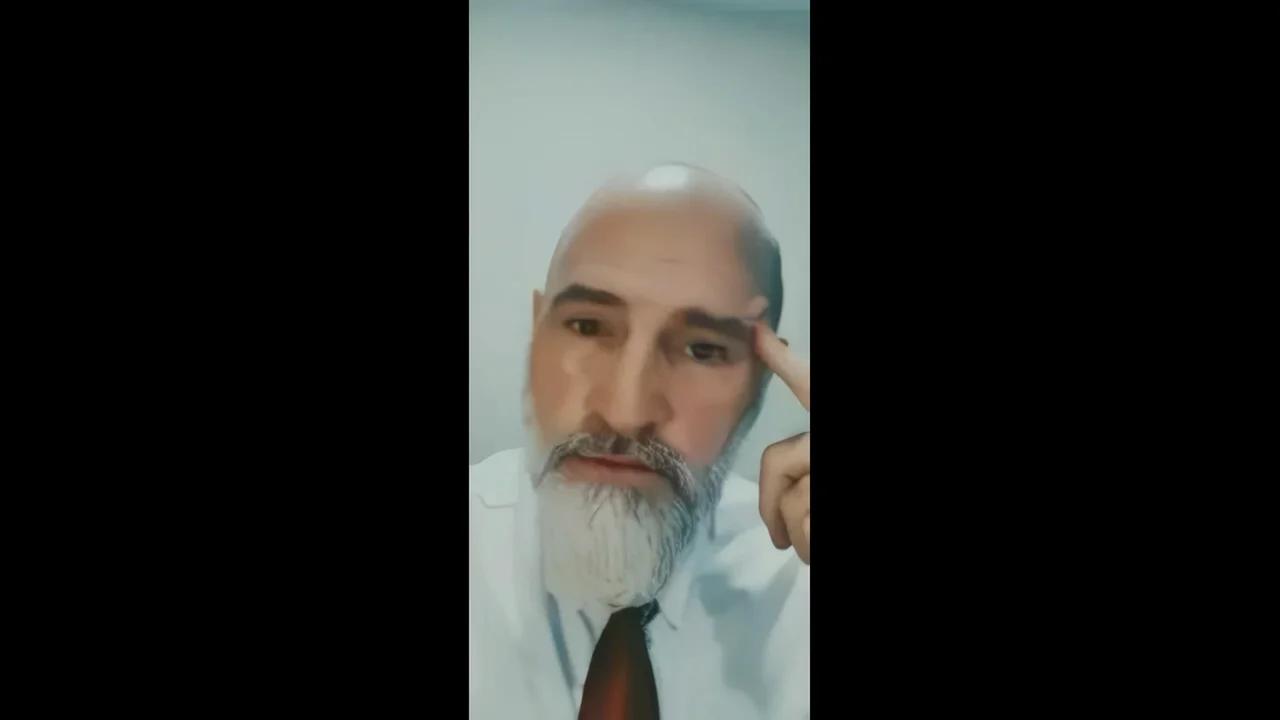
The headlines are screaming about a "shattering blow" to organized crime. They want you to believe that handcuffs on Daniel Kinahan in Dubai represent the end of an era. It is a comforting narrative. It suggests that the international legal system, after years of being mocked by Instagram posts from luxury gyms, has finally caught up to the architects of the Regency Hotel fallout.
It is also largely a fantasy.
The obsession with the "Kingpin" model of policing is the greatest gift the state gives to the next generation of cartels. We treat these organizations like mid-century monarchies—cut off the head and the body dies. In reality, the Kinahan Organized Crime Group (KOCG) stopped being a traditional gang a decade ago. It morphed into a decentralized logistical node within a globalized supply chain.
When you arrest the CEO of a company that controls the plumbing, the water doesn't stop flowing. It just finds a new plumber.
The Myth of the Centralized Cartel
The media paints the KOCG as a rigid pyramid. This is an outdated map for a modern problem. We are looking at a "Platform as a Service" (PaaS) model. The Kinahans did not just sell products; they sold infrastructure. They provided the money laundering pathways, the legal shells, and the high-level diplomatic "protection" that smaller, more violent cells used to move weight across borders.
By focusing on the personality of Daniel Kinahan, law enforcement has spent years chasing a ghost while the infrastructure became autonomous. The arrest is a PR victory for the DEA and the Gardaí, but it ignores the fundamental law of market vacuums.
In the business world, we call this "disruption." In the underworld, we call it a "promotion opportunity." For every high-profile arrest, there are three lieutenants who have spent five years learning the boss's mistakes. They aren't going to go to ground. They are going to optimize. They will use more encrypted comms, thinner shell companies, and deeper layers of insulation.
The Dubai Delusion
For years, the "lazy consensus" was that Dubai was an untouchable fortress. The narrative shifted overnight: "Dubai has turned its back on the mob."
This is a gross oversimplification of geopolitical maneuvering. Dubai did not have a sudden moral awakening. This was a calculated trade. The United Arab Emirates has spent the last few years scrubbing its image to stay off the "Grey List" of the Financial Action Task Force (FATF). Arresting a high-profile Irishman is a low-cost, high-reward signal to Western regulators that the UAE is a "team player."
If you think this means the end of dirty money in the desert, you are dreaming. The "grey money" that fuels real estate booms and tech hubs is the lifeblood of global financial centers. The authorities sacrificed a piece that had become too loud and too visible to keep the rest of the board active. Kinahan’s mistake wasn't being a criminal; it was being a celebrity. He tried to buy legitimacy through the boxing world, and in doing so, he made it impossible for his hosts to look the other way.
Why Policing the "Supply" is a Dead End
Every time a major figure is toppled, the price of cocaine in Dublin, London, or New York fails to move. If these arrests were truly "shattering," we would see a supply-side shock. We don't.
- Purity levels: Remain at historic highs.
- Wholesale prices: Remain stable or are dropping due to overproduction in the Andean regions.
- Retail availability: "Uber-ized" delivery systems have made it easier to get a bag than a pizza.
We are applying a 20th-century solution to a 21st-century commodity problem. The KOCG was a logistics firm. They leveraged the same shipping routes, container ports, and legal loopholes that Fortune 500 companies use. Unless you are prepared to dismantle the efficiency of global trade—which no government will do—you cannot stop the flow by removing a single broker.
The Boxing Smoke Screen
The most fascinating failure in this saga was the attempt to use the "noble art" as a laundry for reputation. It nearly worked.
I have seen corporate entities spend millions on "brand rehabilitation." The Kinahan strategy was identical. By positioning himself as a power broker for the biggest fights in the world, Daniel Kinahan wasn't just looking for a hobby; he was looking for the "Too Big to Fail" insurance policy. He wanted to be so integrated into a multi-billion dollar industry that the optics of arresting him would be too messy for the state to handle.
He underestimated the power of the US Treasury Department's Office of Foreign Assets Control (OFAC). When the US puts you on a list alongside Hezbollah and the Yakuza, your "friends" in the sporting world don't just leave—they delete your number before the press release finishes hitting the wires.
The lesson here isn't that the law won. The lesson is that if you're going to hide, stay in the shadows. The moment you try to take a bow, you're a target.
The Succession Tax
What happens next isn't a peaceful transition to a drug-free Europe. It is the "Succession Tax."
When a dominant force is removed, the immediate result is almost always a spike in violence. The KOCG kept a lid on the "unprofessional" elements of the Irish and European underworld. They provided a form of dark-market stability. With the leadership in a cell, the franchise model breaks. Local crews will now fight over the scraps of the distribution networks.
We saw this after the fall of the Medellín cartel. We saw it after the capture of El Chapo. The violence didn't stop; it fractured and became more unpredictable. We are trading a predictable, business-minded adversary for a dozen hungry, violent startups.
The Wrong Questions
The public asks: "How long will he get in prison?"
The better question: "Who is already using his encryption keys?"
The public asks: "Is the gang gone?"
The better question: "How has the revenue moved into decentralized finance (DeFi) where no arrest warrant can reach it?"
The KOCG was a pioneer in using crypto and complex trade-based money laundering (TBML). These systems don't require Daniel Kinahan to function. They are protocols. They are math. You can't put math in a high-security wing of a prison.
The arrest is a victory for the evening news. It is a validation for the officers who spent years away from their families to build the case. They deserve their moment. But for the rest of us, it is a reminder that we are fighting an evolutionary war. Every time we "win," the virus mutates.
Stop looking at the man in the handcuffs. Look at the empty chair behind him. It’s already being filled.