The Western political establishment is addicted to the "Great Man" fallacy. We see it every time a dictator breathes his last: the breathless punditry, the predictions of an overnight democratic spring, and the delusion that a single funeral is the spark that lights the fuse. Donald Trump’s recent assertion that the death of Ali Khamenei represents the "greatest chance" for Iranians to reclaim their country isn't just wishful thinking—it is a fundamental misunderstanding of how modern authoritarianism scales.
If you think the Supreme Leader’s passing is a vacuum waiting to be filled by the people, you haven't been paying attention to how the Islamic Revolutionary Guard Corps (IRGC) has spent the last two decades.
Khamenei isn't the linchpin holding the machine together. He is the hood ornament on a tank that has already been automated.
The Succession Trap
The "lazy consensus" argues that the transition of power is a moment of inherent fragility. In a fragile state, yes. But Iran is a deep state. The Assembly of Experts—the body tasked with choosing the next leader—is a curated rubber stamp. More importantly, the IRGC has zero interest in a messy transition that invites a popular uprising.
History shows us that transition periods in entrenched autocracies often trigger a contraction, not an expansion, of civil liberties. When the stakes are highest, the security apparatus doesn't "wait and see." They lock down. They pre-empt.
The IRGC has morphed from a military wing into a $100 billion conglomerate. They control the ports, the telecommunications, the construction, and the black market. They aren't loyal to a man; they are loyal to a balance sheet. A leadership vacuum is a threat to their diversified portfolio. They will install a figurehead—likely someone with the charisma of a cinder block—specifically because a weak Supreme Leader makes the military elite the de facto rulers.
Why the Streets Won’t Rise on Cue
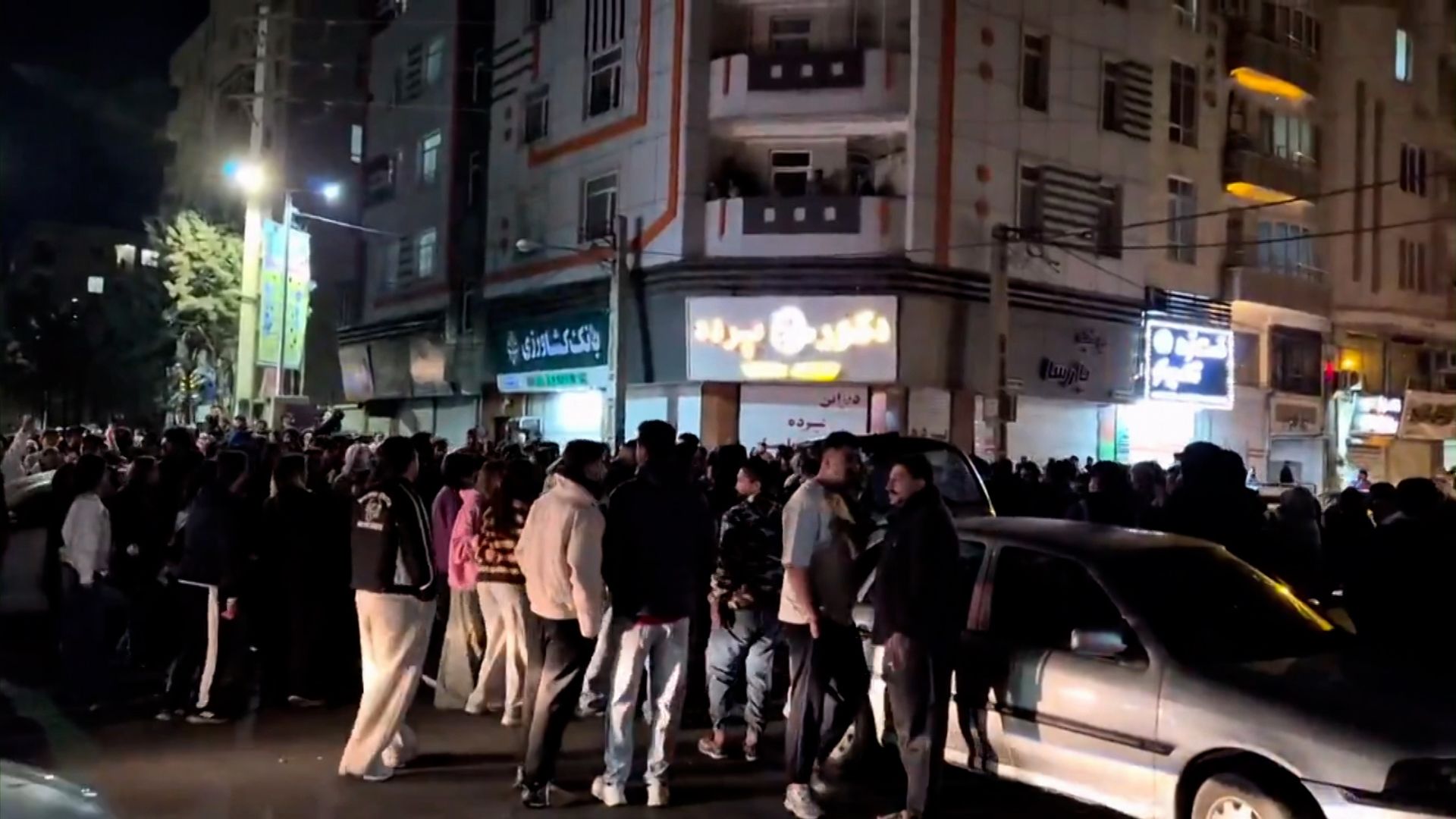
We love the narrative of the spontaneous combustion of liberty. We saw the "Woman, Life, Freedom" protests and assumed the dry brush was ready to catch. But hope is not a strategy.
The Iranian people are exhausted. Inflation is hovering around 40%. The currency is in a death spiral. When people are struggling to buy eggs, they aren't planning a multi-week general strike to coincide with a state funeral. They are hunkering down.
- The Monopoly on Violence: The IRGC and the Basij militia have perfected the art of digital repression. They don’t just kill protesters; they track them, bankrupt them, and isolate them.
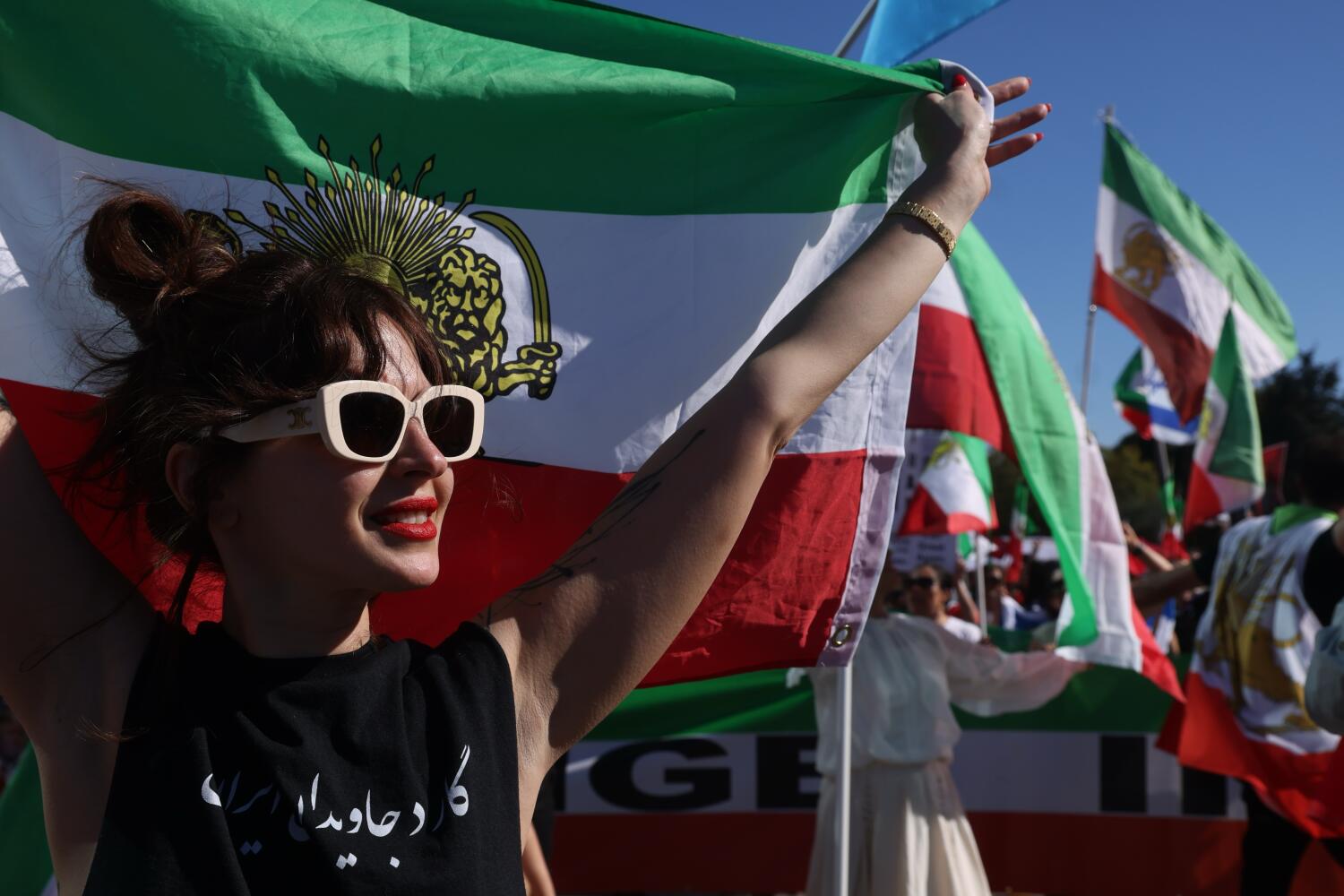
- The Lack of an "External" Alternative: Who is the leader-in-waiting? The diaspora is fractured, bickering over 1970s nostalgia and monarchist pipedreams. Inside Iran, any viable leader is either in Evin Prison or six feet under.
- The Fatigue Factor: Revolutions require a belief in a "Day After." Without a cohesive opposition structure, the death of Khamenei looks less like a "chance" and more like a period of dangerous uncertainty that most middle-class Iranians fear more than the status quo.
The Myth of the "Greatest Chance"
Trump’s rhetoric suggests that the regime is a house of cards. It’s actually a spiderweb. If you break one strand, the rest of the web vibrates and alerts the predator.
I have watched Western governments miscalculate regime stability for thirty years. We did it in Iraq, we did it in Libya, and we are doing it now by overestimating the impact of an octogenarian’s heartbeat. When a dictator dies, the internal security forces are at their highest state of alert. The "chance" for revolution is actually at its statistical lowest point because the cost of dissent is never higher than during a state of emergency.
If we want to discuss a real catalyst for change, we should stop looking at the morgue and start looking at the IRGC’s internal fractures. The only thing that topples a regime like this is a vertical split—when the guys with the guns decide that the old guard is bad for business. Khamenei’s death won't cause that split; it will likely force a temporary, pragmatic unity among the elites to ensure their survival.
The Harsh Reality of the "Day After"
Imagine a scenario where the Assembly of Experts stalls. Does the public rush the gates? No. The IRGC declares a national security emergency, shuts down the internet entirely, and assumes direct control under a "provisional council."
The West thinks in terms of elections. The Middle East deep state thinks in terms of continuity of extraction.
- The Economy: Any new leader will be immediately blamed for the cratering Rial.
- The Nukes: The nuclear program is the ultimate insurance policy. No successor, no matter how "moderate" the West hopes they are, will trade that away for a pat on the back from Washington.
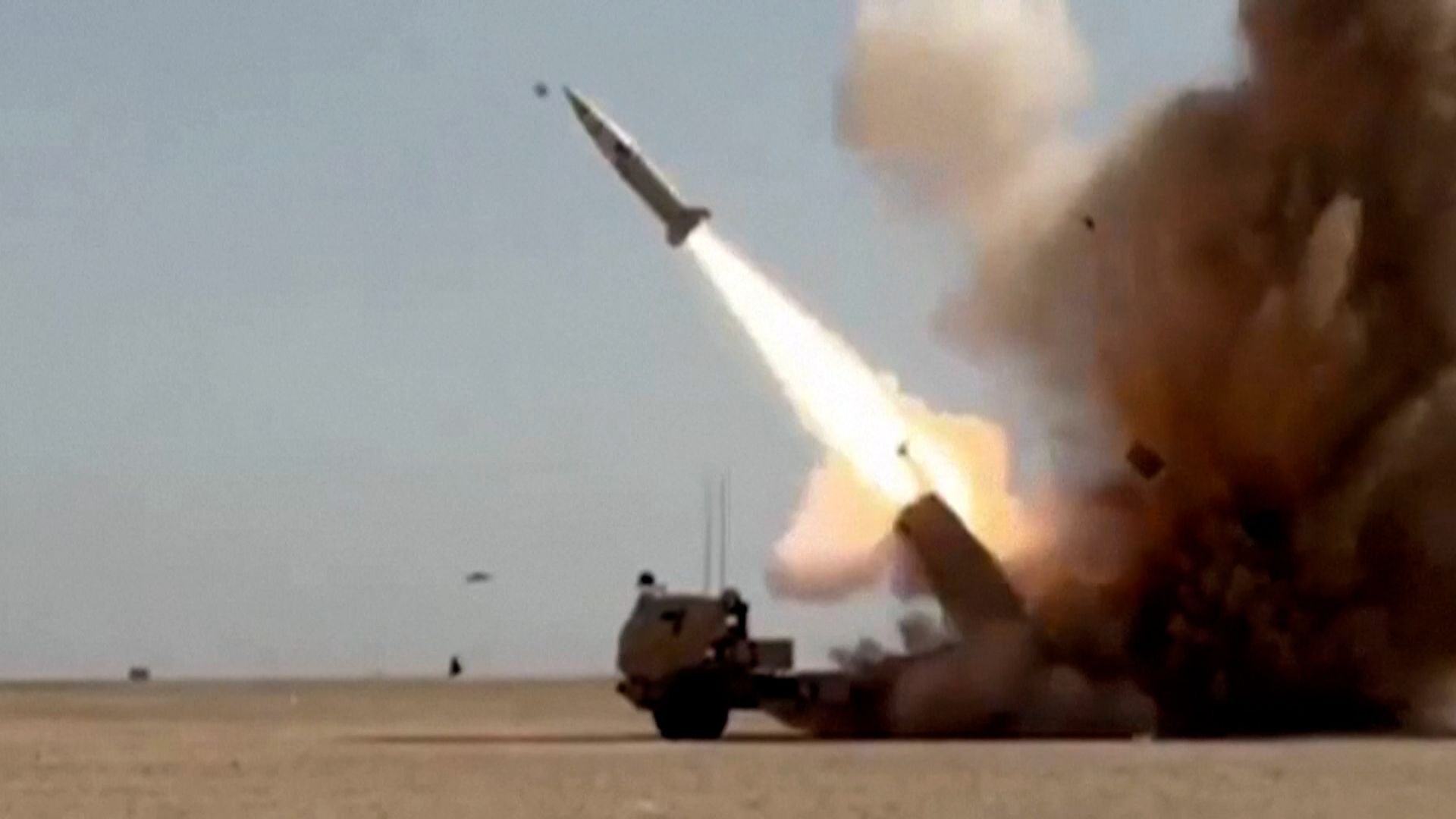
- The Proxies: Hezbollah and the Houthis aren't going to stop taking orders because there's a new face in Tehran. The "Axis of Resistance" is a bureaucratic department, not a personal fan club.
Stop Waiting for the Funeral
The "Greatest Chance" narrative is dangerous because it encourages a policy of "strategic patience"—the idea that we just need to wait for nature to take its course. This is a fairy tale.
Waiting for Khamenei to die is not a policy; it’s an abdication of one. It allows the regime to continue its regional aggression and nuclear advancement under the assumption that the problem will solve itself.
The Iranian regime has built a system designed to outlive its architect. It is a biological organism that has already produced its own antibodies against the "Spring" we keep predicting. If you want to see the Iranian people take back their country, stop looking for a heartbeat to stop. Start looking for the moment the IRGC realizes that the Clergy is an expensive, unnecessary overhead they can no longer afford.
Until then, the death of the Supreme Leader isn't a door opening. It's the sound of the deadbolts sliding home.
Withdraw your gaze from the hospital bed in Tehran. The real power struggle has already happened, and the guys in the olive-drab uniforms won.